 Birch Bay Siding
 Exterior Work Built for Semiahmoo's Coastline
Semiahmoo sits on a narrow spit reaching into Semiahmoo Bay, about as close to open salt water as a home in Whatcom County can get. That position gives residents some of the best views in the region, but it also means the exterior of every house here is doing more work than a similar home fifteen miles inland. Wind off the water carries salt spray onto siding and trim, driving rain comes in almost sideways during winter storms, and the shaded, damp stretches of the peninsula stay wet long after the rain has passed. If you own or manage a home in Semiahmoo, you already know your siding, roof, windows, and deck don't get an easy ride.
We're a local exterior contractor working throughout Birch Bay and the surrounding Whatcom County coastline, including Semiahmoo. This page covers what the climate does to homes out here, how our siding, roofing, window, and deck work holds up against it, and why we've standardized on one siding product instead of offering the usual lineup of options.
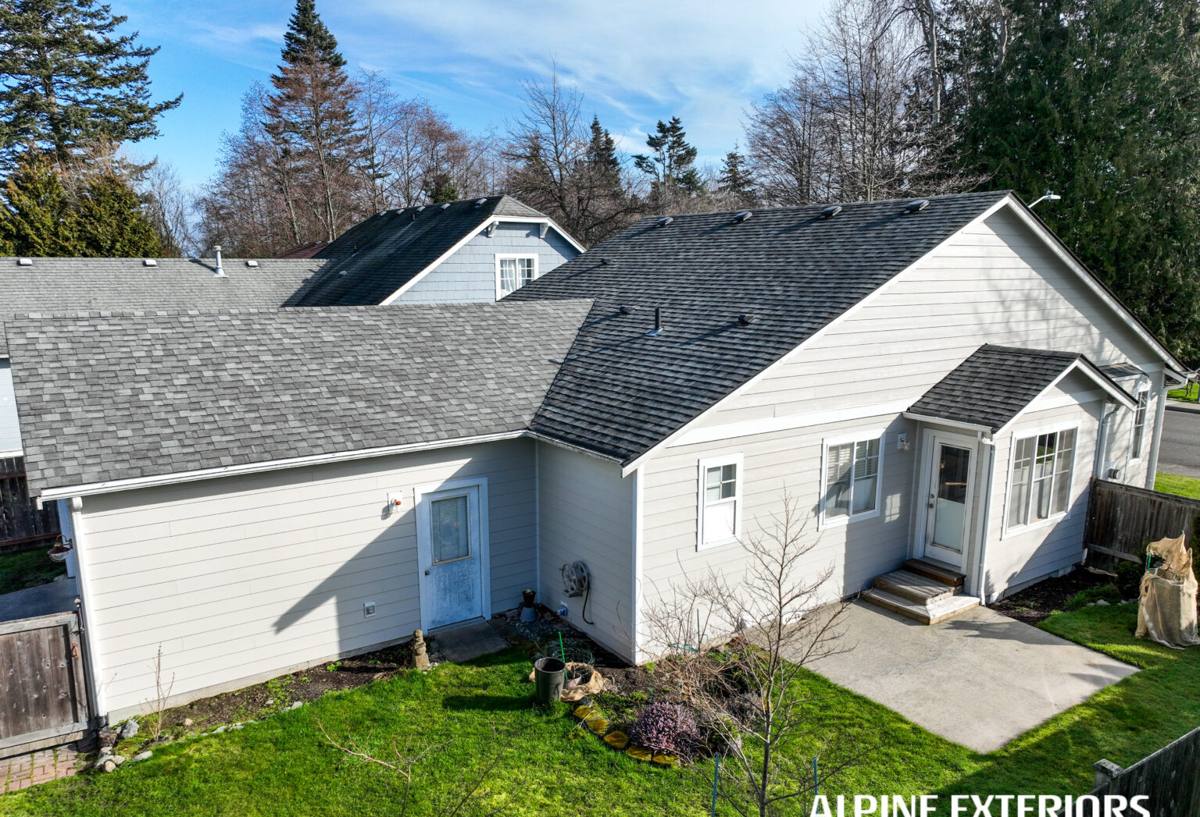
What the Semiahmoo Climate Does to a House
Salt Air and Corrosion
Homes directly exposed to Semiahmoo Bay deal with airborne salt in a way that inland Whatcom County properties don't. Salt-laden air accelerates corrosion on fasteners, flashing, and any exposed metal trim. It also breaks down cheap paint finishes faster, which is one reason we pay close attention to what fastening hardware and flashing materials go into a siding or window install this close to the water.
Driving Rain and Wind-Driven Moisture
Storms coming off the Strait of Georgia and the Salish Sea don't just drop rain straight down — wind pushes it sideways into wall assemblies, especially on west- and north-facing elevations. That means water-resistive barriers, proper flashing at windows and doors, and correctly lapped siding aren't optional details. They're the difference between a wall that sheds water and one that slowly lets it in behind the cladding.
Moss, Algae, and a Long Wet Season
Whatcom County's wet season runs long, and shaded or north-facing walls in Semiahmoo can stay damp for weeks at a stretch. That's ideal conditions for moss and algae growth on roofing and siding. Porous or absorbent materials hold onto that moisture, which feeds organic growth and can lead to soft spots, staining, and premature wear if a surface never fully dries out between storms.
Siding: Why We Only Install James Hardie Fiber Cement
We install James Hardie fiber cement siding exclusively. We don't offer vinyl, LP SmartSide, Cemplank, Allura, primed spruce, or cedar. That's a deliberate standard, not a lack of options, and it's worth explaining why — especially for a location as exposed as Semiahmoo.
What Hardie Gets Right for This Climate
- Non-combustible core: fiber cement doesn't feed a fire the way wood-based products can, which matters for insurance and long-term peace of mind.
- Moisture resistance: Hardie's fiber cement doesn't absorb and swell the way wood-based or wood-fiber siding can when it stays wet for extended periods, which is exactly the condition Semiahmoo's shaded, damp walls create.
- ColorPlus factory finish: a baked-on finish applied under controlled conditions holds color and resists fading and chipping better than field-applied paint, and it stands up well to salt air exposure.
- Climate-engineered HZ product lines: Hardie makes region-specific formulations (HZ5 for the Pacific Northwest's moisture and freeze-thaw pattern) rather than a single generic product for every climate in the country.
- Transferable warranty: Hardie's warranty structure is well documented and transfers to a new owner, which matters if you ever sell a home on the water.
Why We Walked Away From the Alternatives
Vinyl siding is inexpensive and low-maintenance in mild conditions, but it can warp or become brittle under temperature swings and doesn't offer the same fire performance or long-term rigidity as fiber cement. Wood-fiber products like LP SmartSide use engineered wood with a resin-treated strand core — a real improvement over old-fashioned wood siding, but still a wood-based product that depends heavily on caulking, paint maintenance, and cut-edge sealing to keep moisture out, which is a lot to ask in a spot that stays wet as long as Semiahmoo does. Cemplank and Allura are also fiber cement and share many of the same core strengths as Hardie, but we've chosen to standardize on one manufacturer, one installation system, and one warranty structure so every crew member knows the product inside and out — rather than switching specs project to project. Primed spruce and cedar are attractive natural materials, but they require the most ongoing maintenance of any option here: regular repainting or restaining, vigilant caulking, and real vulnerability to moss and moisture in exactly the conditions Semiahmoo homes face for months at a time. We'd rather put one product on every home and stand behind it completely than offer five options and hope the homeowner picked the right one for their exposure.
Roofing in a Moss-Prone, Salt-Exposed Environment
Roofing takes the most direct hit from Semiahmoo's weather — full sun exposure alternates with long wet stretches, and moss finds a foothold fast on north-facing slopes and anywhere debris collects. We install and repair roofing systems with attention to proper ventilation, ice-and-water shield at vulnerable areas, and flashing details that account for wind-driven rain, not just straight-down precipitation. A roof that breathes and drains correctly is far less hospitable to moss than one that traps moisture under debris.
Windows: Sealing Out Wind and Salt Spray
Window performance in Semiahmoo comes down to two things: the seal around the frame and the quality of the frame material itself. We install windows with flashing and sealing details built for wind-driven rain, and we pay attention to hardware and finishes that hold up under salt air exposure rather than corroding or pitting within a few seasons. A poorly flashed window is one of the most common ways water gets into a wall assembly, and on an exposed site like this, that detail work matters more than the window brand on the label.
Decks: Built for Sun, Salt, and Standing Water
A deck facing the bay deals with intense weathering — UV exposure, salt spray, and standing water after storms if drainage isn't right. We build and repair decks with attention to proper spacing between boards, ledger flashing that keeps water from wicking into the house structure, and fasteners rated for coastal exposure. Composite decking is often a smart call for waterfront properties precisely because it doesn't absorb moisture the way wood can, though we'll talk through the tradeoffs honestly based on your specific site and budget.
Why a Local Crew Matters Here
Semiahmoo isn't a typical inland Whatcom County lot. The wind exposure, the salt air, and the moisture patterns on a spit surrounded by water are different from a home a few miles inland in Blaine or Birch Bay proper. A crew that works this coastline regularly knows which elevations need extra flashing attention, which fastener specs hold up against salt exposure, and how long materials actually stay wet here before they dry — not textbook assumptions, but what we've seen on homes in this exact environment. That local knowledge shows up in the details: flashing laps, fastener choice, and where we pay extra attention during installation.
Cost Factors for Exterior Work in a Coastal Setting
Every project is different, but a few factors consistently affect cost and scope for homes in exposed, coastal locations like Semiahmoo:
| Factor | Why It Matters |
|---|---|
| Direct water exposure | West- and water-facing elevations often need additional flashing detail and moisture-resistant assembly work |
| Existing moisture damage | Homes with a history of moss, staining, or soft siding may need substrate repair before new material goes on |
| Home height and access | Multi-story coastal homes or steep rooflines affect equipment needs and labor time |
| Material selection | Fiber cement, roofing type, window frame material, and decking choice (wood vs. composite) all carry different price points |
| Scope of work | A single-trade project (siding only) versus a combined siding, roofing, window, or deck job affects overall efficiency and pricing |
A Practical Checklist for Semiahmoo Homeowners
- Check north- and shade-facing siding and roof sections for moss or dark staining at least once a year
- Look for chalky, faded, or peeling paint on wood-based siding — a sign the protective finish is breaking down
- Inspect caulking around windows and doors for cracks or gaps, especially after winter storms
- Watch for soft spots or bubbling on siding near ground level or under downspouts
- Check deck fasteners and ledger boards for corrosion or staining, particularly on decks facing the water
- Clear debris from roof valleys and gutters regularly to reduce moisture retention and moss growth
Get a Straight Answer About Your Home
If you're dealing with moss, moisture, aging siding, or you're just planning ahead for a home exposed to Semiahmoo's salt air and rain, we're happy to take a look and give you an honest read on what your exterior actually needs — no pressure, no upsell. Reach out for a free estimate and we'll walk the property with you.