 Birch Bay Siding
 Why This Decision Trips Up So Many Homeowners
Every siding problem starts small: a cracked board here, a soft spot there, paint that won't hold anymore. The question homeowners in Birch Bay and across Whatcom County struggle with isn't whether something is wrong — it's whether to fix that one thing or treat it as a sign the whole system is due. Get the call wrong in either direction and it costs you. Patch a symptom of failing siding and you'll be back at it again next season. Tear off siding that had another decade of life in it and you've spent money you didn't need to spend.
This page walks through how to actually make that call, using the same checks we run when we're asked to look at a home before quoting anything.
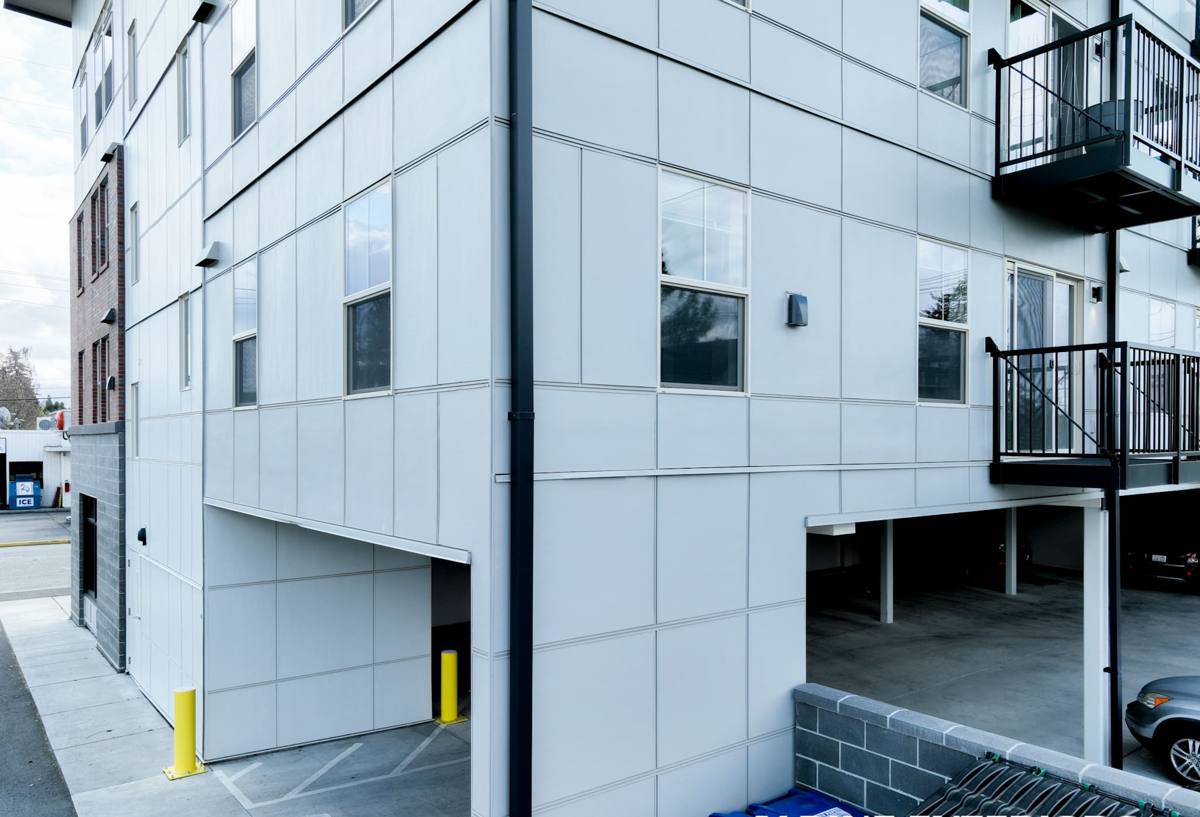
What Birch Bay's Climate Does to Siding
Location matters more than most homeowners realize. Birch Bay sits right on the water, which means salt-laden air is a constant presence on anything facing the beach or exposed to onshore wind. Add driving winter rain off the Strait of Georgia and a moss season that can run from October through April in the shaded, north-facing parts of a lot, and you've got three separate stressors working on your siding at once — salt corrosion, moisture intrusion, and organic growth that holds water against the wall longer than it should sit there.
None of that is unique to any one siding material, but it does mean the "how much life is left" question needs to be asked with Whatcom County conditions in mind, not some national average. A product rated for a dry inland climate is being asked to do more work here.
Signs That Point to Repair
Not every problem means replacement. These are the situations where a targeted repair is the honest answer:
- A single impact-damaged board (a branch strike, a ladder mishap) with no rot in the surrounding material
- Failed caulking or trim sealant around windows and corners, with the siding itself still sound
- Isolated moss or mildew staining that wipes clean and shows solid material underneath
- A small area where a gutter or downspout has been dumping water onto one wall section, once the drainage issue is fixed
- Cosmetic fading or chalking on siding that's still structurally intact
In these cases, replacing a section or addressing the water source is a legitimate, lower-cost fix — as long as whatever caused the localized damage gets corrected too. Patching over a board without fixing the gutter that's been soaking it just buys you a repeat visit.
Signs That Point to Full Replacement
The picture changes when damage isn't isolated — when it's a pattern across the house rather than a one-off. Here's what tells us a homeowner is looking at replacement territory, not a patch job:
- Soft, spongy, or crumbling siding in multiple locations, especially near the ground and under windows
- Paint or finish that won't hold for more than a season or two no matter how often it's redone
- Persistent moss or algae growth returning within months of cleaning, especially on shaded or north-facing walls
- Visible warping, buckling, or gaps between boards across more than one wall
- Interior signs — peeling paint, musty smell, or staining on interior walls that back up to exterior siding
- Siding that's original to a home built more than 20-25 years ago, especially wood or older composition products
Any one of these on its own might still be a repair. Two or three together, especially spread across different sides of the house, usually means the underlying material has reached the end of what it can do, and further patching is just delaying an expense rather than avoiding it.
The Water Test: What's Actually Happening Behind the Siding
Siding's real job isn't looks — it's keeping water out of the wall assembly. Damage on the surface is often just the visible tip of a moisture problem that's been running behind the boards for a while. Before deciding repair or replacement, it's worth checking:
What to look for
- Soft spots when you press on siding near the bottom of walls or below windows
- Discoloration or bubbling on interior drywall along exterior walls
- A musty smell in rooms along the affected wall, particularly after rain
- Bulging or wavy siding that suggests trapped moisture underneath
If any of these show up in more than one spot, the honest recommendation is usually to pull a section of siding and look at the sheathing underneath before committing to a repair-only plan. Repairing the visible board while rotten sheathing sits behind it just resets the clock on the same failure.
Cost Factors: Repair vs. Replacement
There's no fixed price we can quote without seeing a house, but the factors that push the decision one way or the other are consistent:
| Factor | Favors Repair | Favors Replacement |
|---|---|---|
| Extent of damage | Isolated to one board or section | Spread across multiple walls |
| Age of siding | Under 15 years old | 20+ years or original to the home |
| Moisture behind siding | None found on inspection | Soft sheathing, interior staining present |
| Material match | Discontinued color/profile still findable | Repaired section will always look patched |
| Underlying material | Fiber cement, sound composition | Failing wood, deteriorated vinyl, or unknown legacy product |
| Frequency of past repairs | First issue in years | Repeat calls for the same or nearby areas |
That last row is one homeowners underweight. If you've had a contractor out twice in three years for "just this one spot," the pattern itself is the answer — the material is telling you it's failing faster than one-off repairs can keep up with.
The Cosmetic Mismatch Problem
Even when a repair is technically sound, there's a practical issue worth planning for: color and texture match. Siding fades unevenly over years of sun and salt exposure, and factory-finished products in particular are made in specific color runs that aren't guaranteed to be available indefinitely. A repaired section that was a perfect match on installation day can look noticeably different a year later once the surrounding siding fades further and the new piece doesn't.
This is one of the practical reasons we push homeowners to think about the whole elevation, not just the damaged board, once more than a small patch is involved. A repair that leaves a visible mismatch on the street-facing side of the house often isn't the value it first appears to be.
What We Recommend When Replacement Is the Right Call
When a home is past the point where repair makes sense, we install James Hardie fiber cement siding exclusively — we don't offer LP SmartSide, vinyl, Cemplank, Allura, primed spruce, or cedar as alternatives. That's a deliberate standard, not a lack of options. Fiber cement is non-combustible, holds up to the kind of driving rain and salt air Birch Bay sees without the moisture-related failure modes that drove the replacement decision in the first place, and Hardie's ColorPlus factory finish is baked on rather than field-applied, which matters in a climate where paint adhesion is already working against salt and moisture.
Hardie also builds region-specific HZ product lines engineered for different climate zones, backs the material with a strong transferable warranty, and has a long track record when installed to spec — which is the other half of the equation. A good product installed wrong will fail early regardless of brand; that's why installation quality gets as much attention from us as the material choice itself.
A Practical Self-Check Before You Call Anyone
Before scheduling an inspection, walk the exterior and note the following. It'll make any conversation with a contractor — us or anyone else — faster and more useful:
- Which walls have visible damage, and whether it's one spot or spread out
- Approximate age of the siding, or when the home was built if it's original
- Any interior staining, bubbling, or musty smells on rooms along exterior walls
- How often you've needed repairs in the past 3-5 years
- Whether moss or algae returns quickly after cleaning, and where
- Any known history of gutter overflow, sprinkler overspray, or drainage issues hitting the siding
That short list usually tells us most of what we need before we even get on-site, and it helps you go into the estimate with realistic expectations rather than guessing.
Get an Honest Look, Not a Sales Pitch
If you're not sure which side of this decision your home falls on, that's exactly what a walk-through is for. We'll tell you straight if a repair will hold or if you're better off putting that money toward a full replacement — including if that means a smaller job than you expected. Reach out for a free, no-pressure estimate using the form below.