 Birch Bay Siding
 Why Bellingham Windows Take a Beating
Bellingham sits close enough to the water that salt air is a daily fact of life, not an occasional nuisance. Add in the wind-driven rain that rolls through Whatcom County most of the year and the long, damp moss season that follows, and you have a climate that finds every weak point in a window install — sooner rather than later. Wood swells and checks. Vinyl frames chalk and warp at the corners. Seals that were never fully set fail quietly behind the trim, and nobody notices until there's a soft spot in the sill or a musty smell in the room.
None of that is really about the window itself. It's about how the window was put in. A quality unit installed poorly will leak and fail years before it should. A modest window installed correctly, with the flashing and sealing done right for this specific climate, will outlast a lot of "premium" jobs that skipped steps. That's the whole case for hiring a crew that already understands what Bellingham and Birch Bay throw at a house.
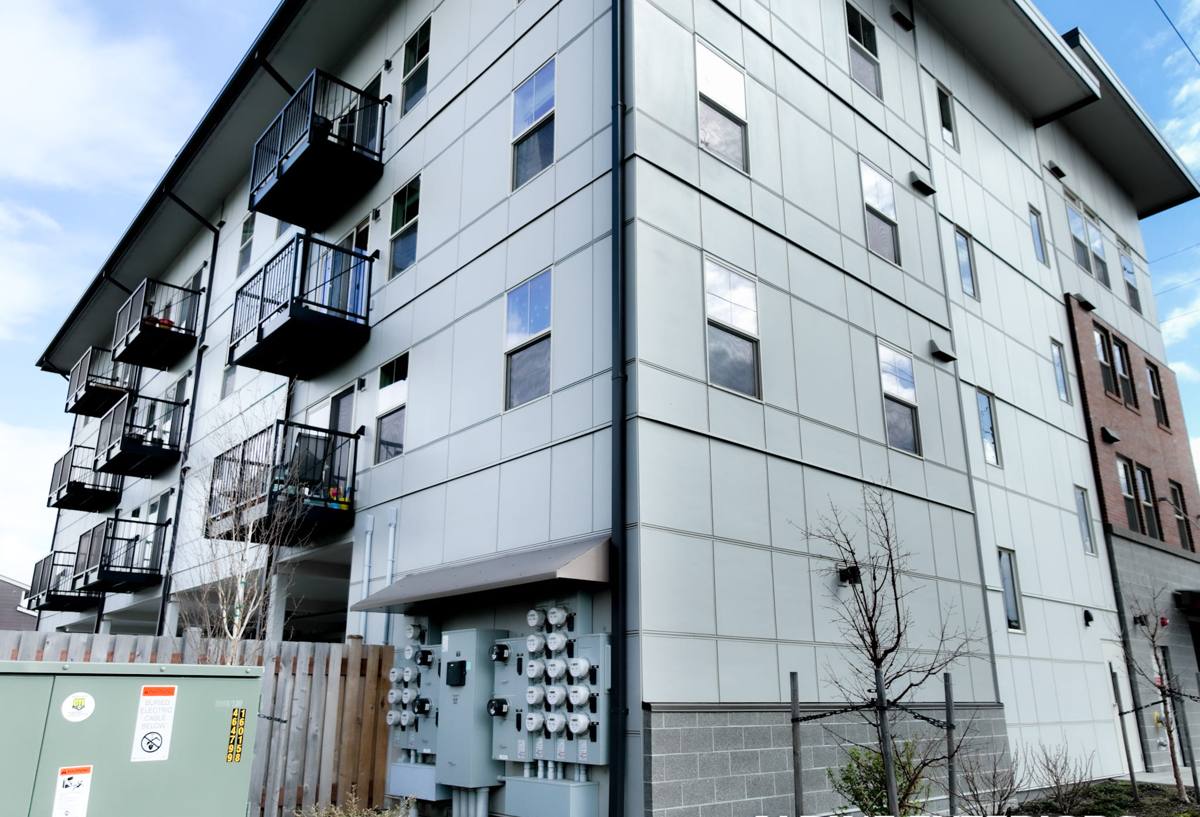
What a Correct Window Installation Actually Requires
Window installation looks simple from the outside — pull the old one, set the new one, trim it out. The part that actually determines whether the window survives ten wet seasons or ten years happens before the window is ever set in the opening.
Sill Pan and Flashing Come First
Any water that gets past the exterior cladding or the window itself needs a way out, not a place to pool. A proper sill pan under the window, tied into flashing that laps correctly with the weather-resistive barrier above and below, is what keeps a wind-driven rain event from turning into a rotted sill plate. This step gets skipped more than homeowners realize, because it doesn't show once the trim goes back on — until it doesn't work.
Shimming, Fastening, and Square
A window that's out of square or racked in the opening puts stress on the sash and hardware from day one. Shims need to sit at the right load points, fasteners need to go where the manufacturer specifies, and the unit needs to check level, plumb, and square before anything gets sealed up. Rushing this step is one of the more common reasons homeowners end up with a window that's hard to open or won't latch flush a year or two later.
Sealing the Right Way — Not Just Caulk
Caulking the exterior trim line is necessary, but it's not the whole story. The assembly needs to manage moisture in both directions — keeping bulk water out while still letting any incidental moisture that does get in find its way back out, rather than trapping it inside the wall. That balance is exactly why over-caulking or sealing every possible gap is sometimes worse than doing it correctly with the right materials in the right places.
Choosing a Window Material for a Bellingham Home
There's no single "right" window material for every house — it depends on the home's exposure, its age, and what the homeowner wants to maintain. Here's how the common options hold up against salt air, driving rain, and a long damp season:
| Material | Salt Air / Moisture Resistance | Maintenance | Typical Lifespan |
|---|---|---|---|
| Vinyl | Good — won't rot or corrode, but can discolor or warp near heavy sun/salt exposure over time | Low — occasional cleaning | 20–30 years |
| Fiberglass | Very good — stable in wide temperature and moisture swings, holds paint well | Low to moderate | 30–40+ years |
| Wood (unclad) | Poor to fair in direct salt/rain exposure without diligent upkeep | High — regular painting/sealing | Varies widely with maintenance |
| Wood-clad (vinyl or aluminum exterior) | Good — exterior shell handles the weather, interior stays wood | Moderate | 25–35 years |
For most Bellingham-area homes with real exposure to weather off the water, we steer people toward vinyl or fiberglass for the exterior-facing performance, especially on walls that take the brunt of the wind and rain. Unclad wood can still make sense on a sheltered elevation where a homeowner wants the look and is committed to the upkeep — we'll tell you honestly which of your walls that applies to and which it doesn't.
Signs Your Current Windows Are Already Failing
Because window failure happens gradually and mostly out of sight, a lot of homeowners live with a failing installation for years before catching it. Walk your house and check for these:
- Fogging or moisture between the panes of a double-pane window (a failed seal — not fixable, only replaceable)
- Soft or spongy trim/sill wood when you press on it
- Visible gaps, cracked caulk, or daylight around the frame from outside
- A window that's hard to open, close, or lock, or doesn't sit flush anymore
- Cold drafts near the frame in winter, even with the window fully closed
- Moss, algae, or dark staining concentrated around one window versus the rest of the wall
- Peeling paint or bubbling drywall on the interior wall below or beside a window
Any one of these on its own might be minor. Two or three together, especially on the same window, usually mean water has been getting past the seal for a while.
How We Approach a Window Installation Project
- On-site assessment. We look at the actual opening, the existing flashing (or lack of it), and the condition of the framing before quoting anything — not just the window count.
- Material and product selection. We walk through the honest trade-offs for your specific walls and exposure, not a one-size-fits-all recommendation.
- Removal and opening inspection. Once the old window is out, we check for hidden rot or prior water damage before it gets covered up again.
- Sill pan, flashing, and air-sealing. This is where a correct install is actually decided — done to shed water, not just look sealed.
- Setting, shimming, and fastening. Level, plumb, square, and fastened per the manufacturer's specification.
- Exterior and interior finish. Trim, caulking, and touch-up work matched to the surrounding siding and casing.
- Final walkthrough. We check operation, locks, and weatherstripping with you before we call the job done.
Why a Birch Bay-Based Crew Makes a Difference in Bellingham
A crew that works Whatcom County regularly has already seen how the local climate treats different siding types, window brands, and installation shortcuts over time — because we're the ones who get the call when an installation done elsewhere starts failing. That means we're not guessing at how much flashing overlap a Bellingham wall needs, or whether a given elevation gets enough wind-driven rain to justify extra sealing detail. It's also simpler logistics: being local to Birch Bay means we can get back out for a warranty check or a follow-up adjustment without it being a special trip.
What Affects the Cost of a Window Installation
Window installation pricing varies enough between projects that a flat number isn't honest to quote without seeing the house. These are the factors that actually move the price:
| Factor | Why It Matters |
|---|---|
| Retrofit vs. full-frame replacement | Full-frame work involves more flashing and trim work but can be the right call when framing or existing flashing is compromised |
| Window material and glass package | Vinyl, fiberglass, and wood-clad options — plus glass upgrades — carry different material costs |
| Number and size of openings | Larger or custom-sized windows and higher counts affect both material and labor time |
| Condition behind the existing window | Hidden rot or prior water damage found during removal adds repair work before the new window goes in |
| Wall exposure and elevation | Walls facing prevailing wind and rain may warrant more thorough flashing and sealing detail |
| Access and height | Second-story or hard-to-access openings take more time and equipment |
We'll walk your house with you and point out which of these actually apply before giving you a number — not after.
Caring for New Windows Through the Wet Season
A correctly installed window still benefits from a little seasonal attention. Rinse accumulated salt residue and grime off the frames and glass periodically, especially on walls with direct exposure. Check exterior caulk lines once a year for cracking or separation, particularly after a hard winter. Keep gutters and downspouts clear so runoff isn't sheeting directly down over window openings. And if you ever notice moss or dark staining building up around one window specifically, it's worth a look before it becomes a bigger repair — that's exactly the kind of check we're happy to do at no cost.
If you're weighing a window replacement or just want an honest read on what your current windows are doing, we're glad to come take a look. Use the form below to request a free, no-pressure estimate for your Bellingham home.