 Birch Bay Siding
 Cottonwood Beach Sits Right in the Weather's Path
Cottonwood Beach is a waterfront community close to Birch Bay, and that proximity to the water is exactly what makes siding repair here different from a job three miles inland. Homes along this stretch of Whatcom County take a steady diet of salt-laden air off the water, wind-driven rain that hits siding at an angle instead of falling straight down, and a moss season that can stretch from October well into spring. None of that is dramatic on any single day. It's the cumulative effect — years of it — that shows up as failing caulk joints, soft spots at the bottom of wall panels, and green-black staining that keeps coming back no matter how many times it gets pressure washed off.
Siding repair in this kind of environment isn't just about matching a patch to the surrounding wall. It's about understanding why that section failed in the first place and making sure the repair doesn't just recreate the same weak point.
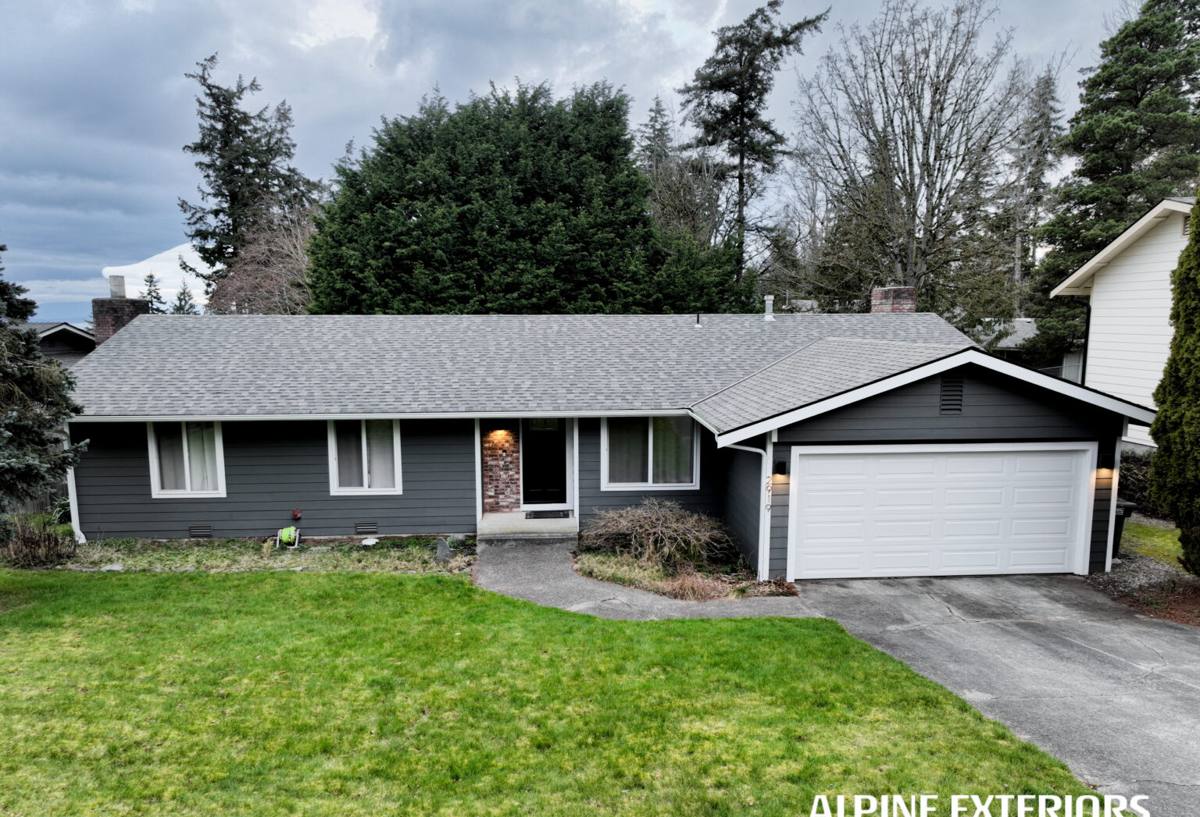
What Salt Air, Rain, and Moss Actually Do to Siding
Salt Air
Airborne salt is corrosive to metal fasteners, flashing, and trim, and it accelerates the breakdown of caulk and sealants faster than it would happen further inland. When fasteners corrode, panels lose their grip and start to work loose. When caulk breaks down early, water gets behind the siding at joints and penetrations — the single biggest cause of hidden rot.
Driving Rain
Birch Bay and the surrounding shoreline get wind-driven rain that pushes water sideways and upward under laps and trim, not just straight down the face of the wall. Siding systems that aren't installed with the right overlaps, flashing, and gapping for this kind of exposure will eventually let water in, even if the product itself is sound.
Moss and Sustained Moisture
A long, damp moss season means shaded walls and ground-level siding stay wet longer between dry-outs. Moss and algae hold moisture against the surface, and on materials that aren't dimensionally stable or well-sealed, that constant dampness is what leads to swelling, delamination, or rot underneath.
Signs Cottonwood Beach Homeowners Should Watch For
Most siding failure doesn't announce itself. It shows up as small, easy-to-dismiss details first. If you're doing a walk-around of your own home, here's what actually matters:
- Soft or spongy spots when you press on the siding, especially near the bottom courses and around windows
- Caulk that's cracked, shrunk, or pulled away from trim and corner joints
- Persistent black or green staining that returns quickly after cleaning
- Visible gaps, warping, or panels that look wavy instead of flat
- Peeling or bubbling paint, which often points to moisture trapped underneath
- Rust streaks running down from nail heads or metal flashing
- A musty smell or visible staining on interior walls that back up to exterior siding
Catching these early is the difference between a straightforward repair and a much larger job once rot has spread into the sheathing or framing behind the wall.
What a Correct Siding Repair Actually Involves
A repair that just covers the visible damage without addressing the cause is a repair that fails again. Done right, a siding repair on a Cottonwood Beach home includes:
- Diagnosis before demo. We identify why the section failed — a flashing gap, a caulk failure, a fastener issue, or trapped moisture from moss — before deciding how to fix it.
- Removing damage back to sound material. Cutting out only the visibly bad section often leaves compromised material behind it. We check the sheathing and framing underneath before closing anything back up.
- Correcting the water path. If the original installation had a flashing or overlap problem, the repair fixes that detail, not just the panel.
- Matching material and finish. On James Hardie siding, this means sourcing the correct profile and ColorPlus finish so the repair blends in rather than standing out as a patch.
- Proper fastening and sealing. Using fasteners and sealants rated for coastal exposure, not generic hardware that will corrode or fail early in this environment.
Repair or Replace? How We Make That Call
Not every damaged section needs a full re-side, and not every repair is worth doing if the underlying siding is at the end of its life. We look at the extent of the damage, what's causing it, and how much of the wall is affected before recommending a direction.
| Factor | Leans Toward Repair | Leans Toward Replacement |
|---|---|---|
| Extent of damage | Isolated to one or two sections | Spread across multiple walls or elevations |
| Underlying structure | Sheathing and framing are dry and sound | Rot has reached the sheathing or framing |
| Siding material | Hardie fiber cement in good condition elsewhere | Original material is failing broadly (warping, chronic moisture issues) |
| Cause of failure | A fixable detail — one bad flashing point, aging caulk | A systemic issue — wrong product for this exposure, repeated failures |
| Age of siding | Well within expected service life | Nearing or past it, with recurring problems |
We'll always tell you honestly which category your home falls into. A quality repair on sound Hardie siding can add years of service life for a fraction of a replacement cost — but we're not going to talk you into patching a wall that's going to need the same fix again next winter.
Our Process for a Cottonwood Beach Repair Call
Because we already work this stretch of coastline regularly, we know the exposure patterns that tend to cause trouble — which elevations take the worst of the wind-driven rain, where moss builds up fastest, and which original installation shortcuts show up most often in this area. A typical repair visit looks like this:
- On-site inspection of the damaged area and a check of adjacent sections for early warning signs
- A look behind the siding where damage is visible, to confirm the sheathing and framing condition
- A straightforward explanation of what caused the failure and what repair (or replacement) will actually fix it
- A written estimate before any work starts — no surprise scope changes once we're on the ladder
- Repair work using matched material, correctly detailed flashing and sealant, and coastal-rated fasteners
- A final walk-through so you can see exactly what was done and why
Why We Repair With James Hardie Fiber Cement — and What That Means If Your Home Has Something Else
We install and repair James Hardie fiber cement siding exclusively. It's non-combustible, dimensionally stable in wet-dry cycling, and its ColorPlus factory finish holds up to UV and salt exposure far better than field-applied paint, which matters a lot on a home that gets this much moisture and salt air. When we repair Hardie siding, we can source matching profiles and colors so the patch genuinely disappears into the wall instead of becoming a visible seam.
If your home currently has vinyl, LP SmartSide, cedar, or another material, we'll still take an honest look and tell you what we see. Minor repairs on other materials are sometimes reasonable. But if we find recurring moisture damage, warping, or the kind of failure pattern that points to the material itself struggling in this coastal exposure, we'll say so plainly — and explain why, when it comes time for a larger repair or a full re-side, we recommend switching to Hardie rather than repeating a cycle of patches on a product that isn't suited to this climate long-term.
Why Hiring a Crew That Already Works This Area Matters
Siding repair isn't just carpentry — it's diagnosing a moisture problem specific to a specific exposure. A crew that works Cottonwood Beach and the greater Birch Bay area regularly has already seen how this shoreline's salt air and driving rain affect different wall orientations, which installation details tend to fail first in this climate, and how long a moss cycle here actually runs. That local pattern recognition is what keeps a repair from being a temporary fix, and it's the kind of judgment you don't get from a crew that mostly works drier, inland neighborhoods and treats every coastal call the same way.
Get an Honest Look at Your Siding
If you're seeing soft spots, stubborn staining, cracked caulk, or you just want a second opinion before winter's next round of storms, we're glad to come take a look. The estimate is free, there's no pressure to commit to more than the job actually needs, and you'll get a straight answer on whether repair or replacement makes more sense for your home. Use the form below to get started.