 Birch Bay Siding
 Storm Damage Roof Repair Built for Lummi Island's Conditions
A roof on Lummi Island earns its keep. Between the wind coming off Rosario Strait, the salt in the air, and the long stretch of gray, damp months that make up a Whatcom County winter, a roof here is working harder than one thirty miles inland ever will. When a storm rolls through and knocks loose shingles, lifts flashing, or drives water under a ridge cap, the fix needs to account for all of that — not just patch the visible damage and hope it holds through the next system.
This page covers what storm damage roof repair actually looks like for homes on Lummi Island, why the island's exposure changes the job, and what to expect if you call us after a storm.
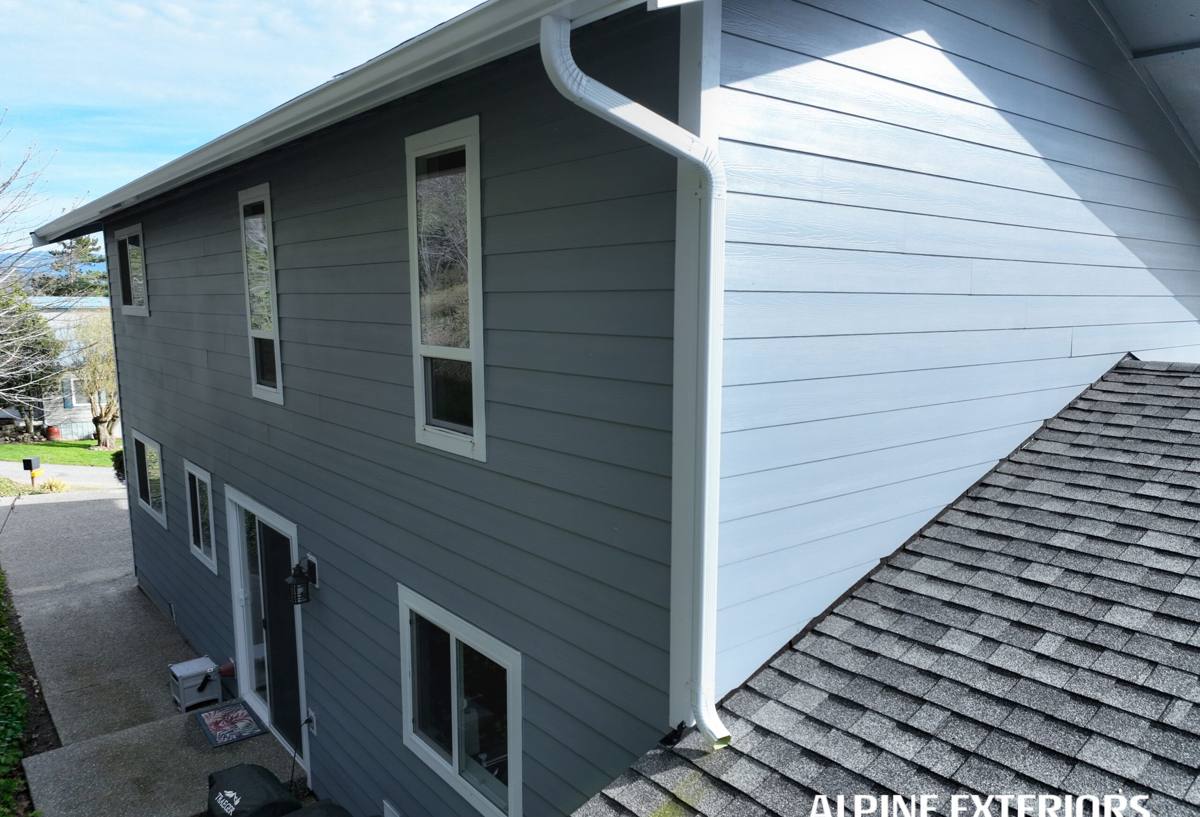
Why Storms Hit Lummi Island Roofs Differently
Salt Air and Fastener Corrosion
Homes near the water deal with airborne salt settling on roofing metal, fasteners, and flashing year-round. It's slow and easy to ignore until a storm applies stress to a roof that's already been quietly weakened by corrosion. Nails and screws that have lost some of their grip, flashing edges that have started to pit — these are the spots that give way first when wind gets under a shingle edge or rain starts driving sideways.
Wind-Driven Rain and Exposure
Water damage after a storm is rarely about a single big hole. More often it's wind-driven rain finding its way under shingles that are still mostly intact, working past flashing that's a little loose, or backing up at a valley that wasn't detailed quite right to begin with. On an exposed island lot, that wind-driven component matters more than it does on a sheltered inland roof, because the rain isn't just falling — it's being pushed sideways and even slightly upward at eaves and rakes.
Moss Season and Trapped Moisture
Whatcom County's long wet season is good for moss, and moss is not good for roofs. It holds moisture against shingles and shakes far longer than the surface would otherwise stay wet, which softens materials and accelerates rot in the decking underneath. A storm that damages a section of roof already carrying a moss load is a different repair than the same damage on a clean, dry roof — there's usually more going on underneath than what the storm itself caused.
What a Correct Storm Damage Repair Actually Involves
Emergency Tarping and Mitigation
The first job after a storm, if there's active exposure, is stopping water intrusion — not finishing the repair on day one. A proper tarp job is fastened so wind won't peel it back overnight, and it's sized to actually cover the damaged area with enough overlap onto sound roofing.
A Full Damage Assessment, Not Just the Obvious Spot
Storm damage is often bigger than what's visible from the ground. A correct assessment checks the surrounding field of shingles for lifted tabs, checks flashing at chimneys, vents, and valleys, and checks the decking underneath any area where water got in — not just the spot where a shingle is obviously missing.
Matching Materials and Proper Flashing
Patching in materials that don't match the existing roof's age, color, or profile leads to a repair that looks like a repair and can behave differently in the next storm. Just as important is getting flashing details right — step flashing, counter-flashing, valley metal — since flashing failure is behind a large share of the leaks that get blamed on shingles.
| Damage Type | What It Usually Means | Typical Fix |
|---|---|---|
| Missing or lifted shingles | Wind uplift, often at edges or ridge | Shingle replacement, re-nailing surrounding field |
| Granule loss / bare spots | Impact damage or accelerated wear | Section replacement matched to existing material |
| Damaged flashing | Corrosion or wind flexing metal loose | Flashing replacement at valleys, chimneys, vents |
| Soft or spongy decking | Prolonged moisture intrusion, often moss-related | Deck board replacement before re-roofing that section |
| Interior water stains | Existing leak point, storm made it worse | Trace and repair source, not just the visible stain |
Why Ferry Access Changes How Storm Repair Should Work
Lummi Island is reached by a county ferry, and that's not a small detail when a storm has damaged your roof. A mainland contractor who doesn't already schedule around ferry timing can turn a same-day tarp job into a multi-day wait, and every extra day with an open roof section is more water finding its way into decking, insulation, and ceilings below.
A crew that already works Lummi Island builds ferry logistics into how it plans a job from the start — getting a response scheduled without the back-and-forth of figuring out crossing times, vehicle capacity, and material loads after the fact. For storm damage specifically, where the first priority is stopping active water intrusion, that difference in response time is the whole ballgame.
Our Process, From Call to Closeout
- Initial call and triage — we ask what happened, what's visible, and whether there's active leaking, so we know if same-day tarping is needed.
- On-site inspection — a full look at the damaged area, the surrounding roof field, flashing points, and attic or ceiling access where possible.
- Written scope and options — a clear explanation of what's damaged, what caused it, and what repair options make sense, including honest input on repair versus replacement if the roof is older.
- Documentation for insurance — photos and a written description of the damage that you can hand directly to your insurance adjuster if you're filing a claim.
- The repair itself — matched materials, correct flashing detail, and a check of fasteners and surrounding shingles, not just the obvious damage point.
- Final walk-through — we show you what was done and where, and flag anything else worth keeping an eye on.
Repair or Replace? Cost Factors to Weigh
Storm damage repair makes sense for isolated damage on a roof that still has useful life left. It stops making sense once the roof is old enough, or has enough underlying moss and moisture history, that you'd be putting new materials on top of a structure that's failing anyway. Some honest factors to weigh:
| Factor | Leans Toward Repair | Leans Toward Replacement |
|---|---|---|
| Roof age | Under 10-15 years, good condition otherwise | Near or past expected material lifespan |
| Extent of damage | Isolated to one section or slope | Spread across multiple areas or the whole roof |
| Decking condition | Solid, dry decking under the damage | Widespread soft spots or rot found during inspection |
| Moss/algae history | Minimal or recently treated | Heavy, longstanding moss with visible material breakdown |
| Storm frequency | First significant damage in years | Recurring damage pointing to an underlying weak point |
We'll give you a straight answer on which side of that line your roof falls on — there's no upside for us in replacing a roof that only needed a repair, or in patching one that's genuinely at the end of its life.
After the Repair: Keeping Moss and Salt Air From Coming Back
A storm repair holds up better long-term when it's paired with basic upkeep suited to this climate. That means keeping gutters clear so water isn't backing up at the eaves, keeping overhanging branches trimmed so shaded, damp sections of roof don't become moss magnets again, and having flashing and fastener condition checked periodically rather than only after something goes wrong. None of this is complicated, but it's the difference between a repair that's still doing its job in five years and one you're revisiting after the next big system.
What to Do in the First 24 Hours After Storm Damage
- Note the date and time you noticed damage, and take photos from the ground if it's safe to do so
- Check ceilings and attic spaces (if accessible) for staining or active dripping
- Avoid walking on the roof yourself, especially on wet or damaged sections
- Call for tarping if you see exposed decking, missing sections, or active leaking
- Hold off on major cleanup until damage has been documented, if you plan to file an insurance claim
- Get an inspection scheduled even if damage looks minor — small entry points can cause slow, hidden damage
Why Hire a Crew That Already Works Lummi Island
Storm damage repair is one of those jobs where local, working knowledge of the area actually changes the outcome. A crew that's spent time on Lummi Island roofs knows what salt exposure and moss buildup tend to look like on homes out here, has already worked out how to move materials and people across on the ferry without losing a day, and isn't guessing at what "normal wear" versus "storm damage" looks like on an island roof for the first time. That familiarity shows up in faster response after a storm and in repairs that are built for the conditions your roof actually faces, not generic conditions from somewhere else in Whatcom County.
If your Lummi Island home has storm damage, or you just want a roof checked over after a rough system came through, we're happy to take a look. Fill out the form below for a free, no-pressure estimate.