 Birch Bay Siding
 Roof Repair in Nooksack: What Local Homes Need
Nooksack sits in a part of Whatcom County where the roof over your head works harder than it does almost anywhere else in the state. Between salt-tinged air moving in off the water, months of driving rain, and a moss season that barely takes a break, a roof here ages differently than one in a dry inland climate. A repair that would hold up fine somewhere else can fail in a year or two if it doesn't account for how water actually moves across a roof in this region.
This page is about one job, done right, in one area: roof repair for homes in and around Nooksack. Not a full re-roof pitch, not a generic list of shingle types. Just what actually needs fixing, what a correct repair looks like, and how we approach it so the fix lasts through the next few wet seasons instead of just the next dry spell.
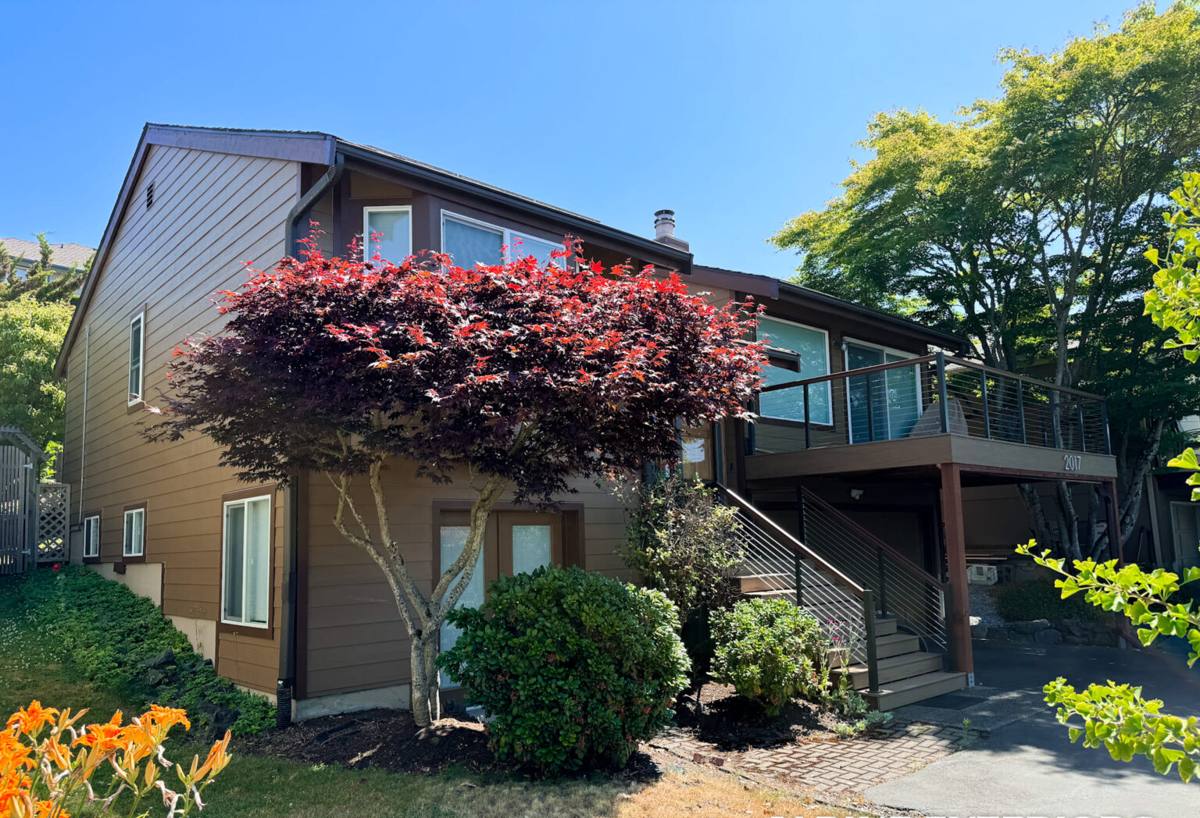
Why Nooksack Roofs Take a Beating
Salt Air and Metal Fatigue
Salt-laden air pulled inland from the coast doesn't just affect siding and railings — it's hard on roof metal too. Flashing, fasteners, vent caps, and gutter hardware all corrode faster when they're exposed to that air year-round. Corroded flashing is one of the most common reasons a "small" roof leak turns into a bigger repair, because the metal that's supposed to seal a joint has quietly stopped doing its job long before anyone notices a stain on the ceiling.
Driving Rain and Wind-Driven Water
Whatcom County storms don't always fall straight down. Wind-driven rain gets pushed sideways under shingle edges, around chimney flashing, and into gaps that would never leak in a calm, vertical rain. Repairs that only address the visible gap — without accounting for wind direction and water path — tend to leak again the next time a storm blows in from the wrong angle.
The Long Moss Season
Shaded, north-facing, and low-slope sections of roof in this area can stay damp for most of the year, which is exactly what moss and algae need to take hold. Moss doesn't just look bad — it lifts shingle edges, traps moisture against the roofing material, and accelerates granule loss. Left alone through a few wet seasons, a moss problem turns into a decking problem.
Common Roof Repair Issues We See in Nooksack
Most of the repair calls we get in this area fall into a handful of categories:
- Moss and algae damage — lifted shingle tabs, trapped moisture, and premature granule loss on shaded or low-slope sections
- Flashing failures — around chimneys, skylights, vent pipes, and roof-to-wall transitions, often corroded or improperly lapped
- Nail pops and wind lift — fasteners backing out or shingles loosened by repeated storm-force gusts
- Granule loss and shingle wear — accelerated by wind-driven rain and prolonged surface moisture
- Soft or spongy decking — a sign that moisture has been getting past the roofing material for a while
- Clogged or failing gutters — backups that push water up under the roof edge instead of away from it
- Ridge cap and hip deterioration — these high-exposure areas take the brunt of wind and rain and wear out faster than the field of the roof
What a Correct Roof Repair Actually Involves
Diagnosis Before Patching
A leak on the ceiling and the point where water is actually entering the roof are often several feet apart, since water travels along decking and framing before it drips. A correct repair starts with tracing the path — checking the attic for moisture staining, inspecting flashing and penetrations upslope from the interior stain, and confirming the cause before any material comes off the roof. Patching the spot where water shows up inside, without finding where it got in, is one of the most common reasons repairs don't hold.
Matching Materials and Fasteners
Repairs should use materials compatible with what's already on the roof — matching shingle type and, where possible, color, and using corrosion-resistant fasteners and flashing suited to a salt-air environment. Mismatched metals or incompatible fastener types can create their own corrosion problems down the line, which defeats the purpose of the repair.
Flashing Is Where Most Repairs Fail or Succeed
More roof leaks trace back to flashing than to the shingles themselves. Proper repair means re-lapping or replacing flashing correctly — not just running a bead of sealant over a gap. Sealant is a short-term patch at best; it degrades with UV and temperature swings and isn't a substitute for flashing that's installed and lapped correctly so water sheds over it rather than behind it.
Our Roof Repair Process in Nooksack
- Inspection. We walk the roof and check the attic from the inside, tracing any leak back to its actual source rather than just the visible symptom.
- Moisture and decking check. We identify whether water has reached the decking or framing, since that changes the scope of the repair.
- Written scope and estimate. You get a clear explanation of what's actually wrong, what we recommend fixing, and what it costs — before any work starts.
- The repair itself. Flashing, decking, shingles, or fasteners are replaced as needed, using materials suited to this climate.
- Cleanup. Old material, moss debris, and granules are cleared from the roof and gutters — leaving moss behind after a repair just invites the same problem back.
- Final walkthrough. We show you what was done and why, in plain language, before we consider the job finished.
Repair or Replace? How We Help You Decide
Not every roof problem calls for a full replacement, and not every leak can be solved with a patch. We give you an honest read on which situation you're actually in.
| Signs a Repair Makes Sense | Signs Replacement Should Be on the Table |
|---|---|
| Leak traced to a single, isolated cause (flashing, a damaged section, a penetration) | Multiple, unrelated leak points across different areas of the roof |
| Roof is within its expected service life and shingles are still sound elsewhere | Shingles are broadly brittle, curling, or losing granules across the whole roof |
| Decking underneath the problem area is still solid | Decking is soft or damaged in more than one location |
| Moss and staining are limited to a section that can be treated and repaired | Moss damage is widespread and has been present for multiple seasons |
When a repair is the right call, we'll say so plainly. When the roof has reached the point where repairs are just delaying the inevitable, we'll tell you that too, along with why — not because it's the bigger job, but because that's the honest read.
What Roof Repair Costs Depend On
Roof repair pricing varies enough from house to house that we don't quote firm numbers without seeing the roof, but the factors that drive cost are consistent:
| Factor | Why It Matters |
|---|---|
| Roof pitch and access | Steeper or harder-to-access roofs take longer and require more safety setup |
| Extent of decking damage | Rotted or soft decking has to be replaced before new roofing goes on, which adds labor and material |
| Material type | Matching existing shingles, metal, or specialty roofing affects material cost and availability |
| Number and location of repair areas | A single flashing repair costs far less than several separate problem areas across the roof |
| Extent of moss and debris removal needed | Heavy moss buildup adds cleanup time before the actual repair can begin |
Homeowner Moss and Maintenance Checklist
Between service visits, a few habits go a long way toward keeping small roof problems from becoming big ones:
- Keep gutters and downspouts clear so water has somewhere to go besides under the roof edge
- Trim back overhanging branches that keep shaded sections of roof damp longer than they need to be
- Have moss growth addressed before it lifts shingle edges, not after
- Check the attic occasionally for staining, damp insulation, or daylight where there shouldn't be any
- After major windstorms, do a visual check from the ground for lifted or missing shingles
- Don't ignore small ceiling stains — get them looked at before the next heavy rain finds the same path
Why a Crew That Already Works Nooksack Matters
A roof repair done by a crew that already understands Whatcom County's weather pattern is a different job than the same repair done by someone unfamiliar with it. We know what moss does to roofs that sit in shade for months at a time, how far wind-driven rain can travel sideways under a shingle edge, and which flashing details tend to fail first when they're exposed to salt air year after year. That local familiarity shapes how we diagnose a leak and what we recommend to fix it — not just patch it for one season.
It also means a straightforward, no-pressure conversation about your roof. We're not looking to upsell a full replacement when a repair will do, and we're not going to hand you a patch job dressed up as a permanent fix. We tell you what we actually see and what it actually needs.
If you've got a leak, a stain on the ceiling, or a roof section that's showing its age, we're happy to take a look and give you a straight answer. Reach out for a free, no-pressure estimate using the form below.