 Birch Bay Siding
 Point Whitehorn's Siding Has a Harder Job Than Most
Point Whitehorn sits on one of the most exposed stretches of shoreline in Whatcom County, and the siding on homes out here earns its keep. Wind comes off the Strait of Georgia with almost nothing to slow it down, carrying salt spray onto exterior walls year-round. Add Birch Bay's long, wet fall-to-spring stretch of driving rain, and then the shaded, moisture-heavy months that let moss and algae take hold on north- and west-facing walls, and you have a climate that is genuinely tougher on siding than most inland Whatcom County neighborhoods. A product or installation that would hold up fine in Bellingham or Lynden can fail early a mile from the water in Point Whitehorn.
This page is about one thing: what it actually takes to install James Hardie fiber cement siding correctly on a Point Whitehorn home, and why the climate here changes the details that matter most.
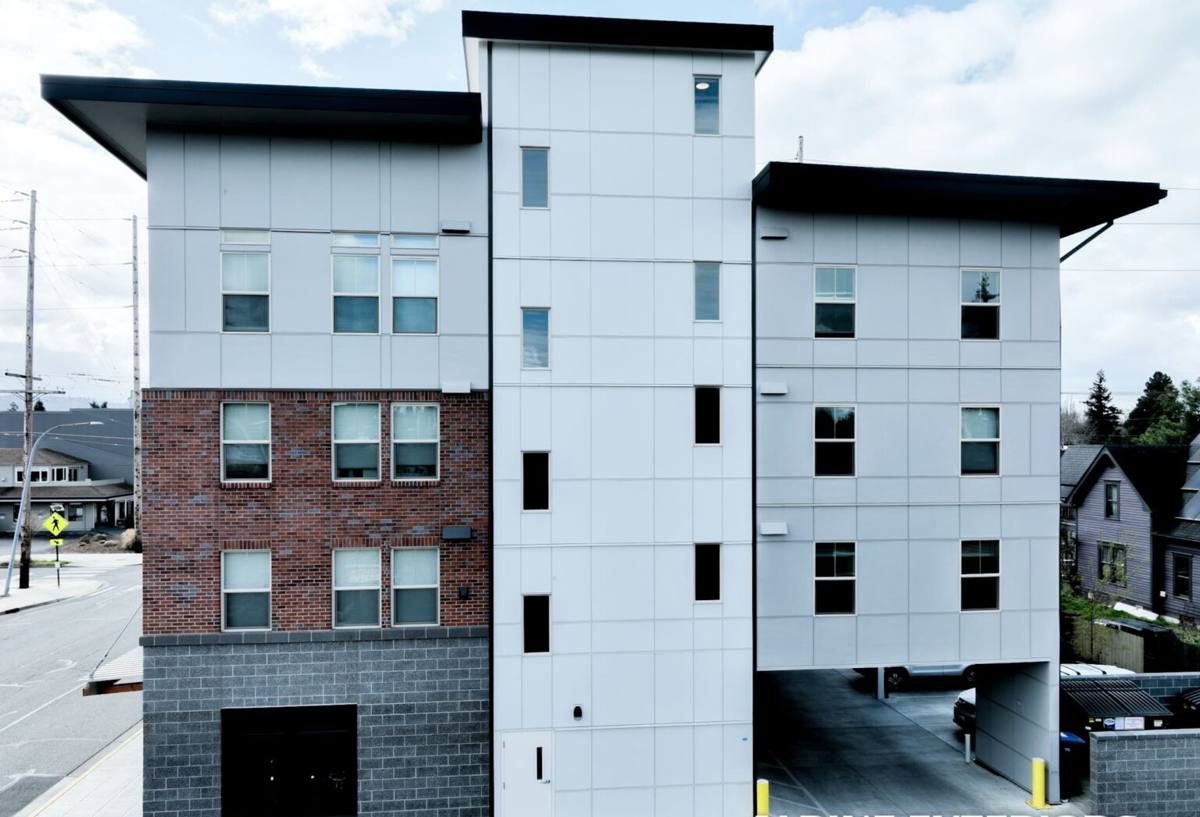
What Salt Air, Rain, and Moss Actually Do to Siding
Salt air
Airborne salt is corrosive to exposed metal fasteners, trim flashing, and hardware, and it accelerates the breakdown of paint films and lower-grade siding surfaces. Over years, homes close to the water show chalking, fading, and edge deterioration faster than the same materials would show a few miles inland.
Driving rain
Wind-driven rain doesn't just wet a wall surface — it pushes water sideways and upward, testing every seam, joint, and penetration in the siding system. Butt joints, window and door trim, and anything without a proper drainage gap behind it are where driving rain finds a way in. This is a water-management problem as much as a materials problem.
The long moss season
Whatcom County's wet season stretches long, and shaded or north-facing walls in Point Whitehorn can stay damp for weeks at a time. That's exactly the environment moss and algae need. Siding that traps moisture against its surface, or that has gaps and ledges where organic debris can sit, will show green and black staining well before a properly installed, factory-finished product does.
Why We Only Install James Hardie Fiber Cement Here
We don't install vinyl, LP SmartSide, Cemplank, Allura, primed spruce, or cedar, and Point Whitehorn's climate is a big part of why. Vinyl can warp and become brittle under sustained wind and temperature swings, and its seams give wind-driven rain more opportunities to work behind the panel. Wood-based and OSB-core products like LP SmartSide depend on an intact factory coating and careful field sealing of every cut edge — miss one spot in a salt-air, high-moisture environment and moisture intrusion follows. Untreated or primed wood siding needs a maintenance schedule most homeowners can't realistically keep up with this close to the water.
James Hardie fiber cement is cement, sand, and cellulose fiber — it does not rot, it is not a food source for moss the way wood is, and it holds its shape and paint line in wind and salt exposure far better than vinyl. Hardie's ColorPlus factory-baked finish resists fading and chalking better than field-applied paint, which matters on a wall that's taking direct salt spray. That combination is why we standardized on one product line instead of offering several.
James Hardie Product Lines and Where They Fit
Hardie builds different products for different climate zones (its HZ5 line is engineered for the wetter, colder Pacific Northwest), and different profiles suit different parts of a Point Whitehorn home.
| Product | Best use on a Point Whitehorn home | Why it fits this climate |
|---|---|---|
| HardiePlank lap siding | Primary wall surface, most common choice | Overlapping profile sheds driving rain when installed with correct exposure and gapping |
| HardiePanel vertical siding | Accent walls, gable ends, modern facades | Fewer horizontal seams for wind-driven rain to test |
| HardieTrim boards | Corners, window and door surrounds, fascia | Resists the swelling and rot that untreated wood trim shows first in salt air |
| HardieSoffit panels | Eaves and overhangs | Non-combustible, moisture-stable in shaded, damp eave areas prone to moss |
The right mix depends on the home's design, sun and wind exposure on each elevation, and how close it sits to the water — we walk every side of the house separately rather than specifying one product for the whole exterior.
What a Correct Installation Involves
Fiber cement siding fails early almost never because of the material itself — it fails because of installation shortcuts that don't show up until a few winters of wind-driven rain and salt exposure have worked on them. On a Point Whitehorn job, we pay particular attention to:
- A drainage gap and weather-resistive barrier behind the siding, so any water that gets past the surface has a way out instead of sitting against sheathing
- Correct fastener type and placement — stainless or coated fasteners rated for coastal exposure, driven to Hardie's spec rather than overdriven or underdriven
- Proper flashing at every window, door, and roof-to-wall intersection, since these are the spots driving rain actually exploits
- Factory-cut edges used wherever possible, and any field cuts sealed per Hardie's requirements — an unsealed cut edge is a moisture entry point
- Correct board-to-ground and board-to-deck clearances, so splashback and standing moisture don't sit against the bottom course
- Caulking and sealant only where Hardie's installation instructions call for it — oversealing traps moisture just as badly as gaps let it in
Every one of these is a detail Hardie's manufacturer instructions cover, and every one is also the kind of thing that's easy to skip on a job when the crew hasn't built enough coastal Whatcom County homes to know why it matters here specifically.
Our Process on a Point Whitehorn Job
We walk the exterior with the homeowner first, checking which elevations take the most wind and salt exposure, where moss has already started, and where existing trim or flashing shows wear. From there we put together a written scope covering product lines, colors, and any repair work needed to the sheathing or water barrier underneath before new siding goes on — covering up a problem that's already there doesn't fix it. During installation we follow Hardie's fastening, gapping, and flashing specifications exactly, because that's what keeps the manufacturer's warranty valid and what actually keeps water out. We do a final walk-through with the homeowner to confirm trim, caulking lines, and color match before calling the job done.
Moss, Algae, and Long-Term Upkeep
No siding is maintenance-free in Birch Bay's climate, but correctly installed James Hardie with a ColorPlus finish needs far less attention than wood or vinyl on a shaded, moisture-prone wall. A soft wash with mild soap and water once or twice a year, focused on north-facing and eave-shaded areas where moss tends to start, keeps the surface clean without damaging the finish. What we watch for on maintenance visits is different from cosmetic staining — we're checking that caulking lines and flashing are still intact, since those are what actually keep water out over the long run.
What Drives the Cost of a Point Whitehorn Siding Job
| Factor | Why it matters here |
|---|---|
| Wall exposure to wind and salt | Waterfront and bluff-facing elevations may warrant heavier flashing detail and trim upgrades |
| Condition of existing sheathing and water barrier | Point Whitehorn homes with older siding sometimes need underlying repair before new siding can go on correctly |
| Product mix (plank vs. panel vs. trim) | Different profiles and accent details change material and labor costs |
| Home size and elevation complexity | More corners, gables, and window trim mean more flashing and cutting work |
| Color and finish selection | ColorPlus factory finishes vs. field-painted options affect material pricing |
We give a firm, written estimate after walking the specific property — broad online calculators can't account for how much a home's exposure to wind and salt actually changes the scope.
Why a Crew That Already Works This Area Matters
A contractor who's put siding on other Point Whitehorn and Birch Bay homes already knows which elevations take the worst of the wind, how far salt spray typically carries inland on this stretch of coast, and which older homes in the area are likely to have moisture issues hiding under the existing siding. That local track record shortens the guesswork and reduces the chance of the kind of installation shortcuts that only show up as problems a few winters later. It also means the crew is working to one standard — James Hardie's, installed to spec — rather than juggling different products with different rules from job to job.
If you're planning a siding project in Point Whitehorn, we're happy to walk the property, look at what your home's specific exposure calls for, and put together a straightforward, no-pressure estimate using the form below.