 Birch Bay Siding
 Windows Built for What Whatcom County Actually Throws at Them
Homes in and around Sumas deal with a specific kind of weather pressure. It isn't dramatic — no hurricanes, no hailstorms most years — but it's relentless. Salt-laden air drifting in off the water, months of driving rain, and a moss season that seems to stretch a little longer every year all work on a window's weak points slowly and quietly. By the time a homeowner notices a problem, the damage is usually already inside the wall cavity, not just on the surface.
Window replacement in this part of Whatcom County isn't the same job as window replacement in a dry inland climate. The materials, the flashing details, and the sequencing all have to account for near-constant moisture exposure. This page covers what that actually means for Sumas homeowners specifically — what to look for, what a correct installation involves, and why the details matter more here than they do almost anywhere else in the state.
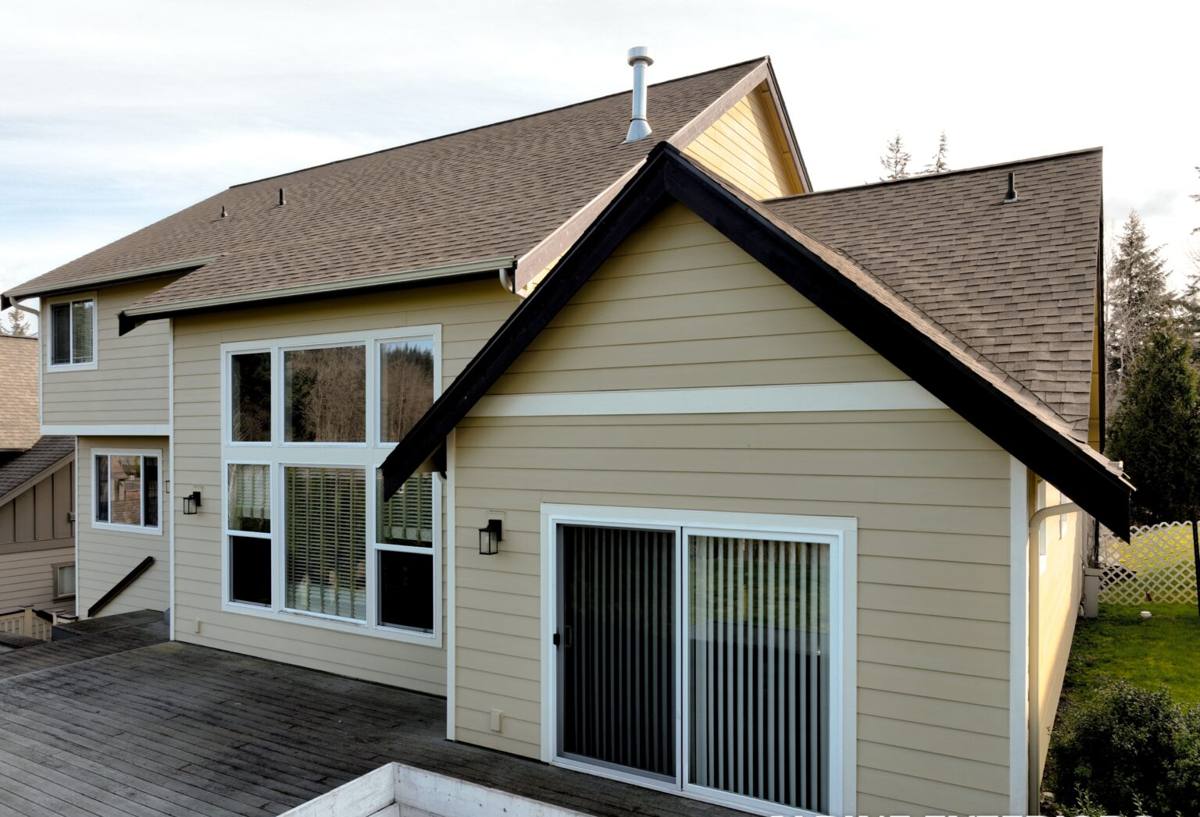
Signs Your Windows Are Past Their Useful Life
Windows rarely fail all at once. They degrade gradually, and a lot of homeowners live with the symptoms for years before connecting them to the window itself. If you're noticing any of the following, it's worth having the windows looked at before the underlying framing gets involved:
- Noticeable drafts near the frame, even with the window fully latched
- Fogging or a permanent haze between panes on double-pane units — a sign the seal has failed
- Windows that stick, won't stay open, or are difficult to lock
- Soft, discolored, or visibly rotting wood at the sill or lower frame corners
- Condensation forming on the inside of the glass regularly, especially in colder months
- Paint that keeps peeling or bubbling on the frame no matter how often it's touched up
- A noticeable rise in heating costs without any other explanation
- Visible daylight or gaps where the frame meets the siding or trim
Any one of these on its own might not mean much. Several together, especially on the sides of the house that take the most weather, usually mean the windows have reached the end of what caulk and weatherstripping can fix.
What a Correct Window Replacement Actually Involves
Window replacement looks simple from the outside — old unit out, new unit in — but the quality of the job is almost entirely determined by what happens in the wall cavity, not what's visible from the street. This is where a lot of shortcuts get taken, and it's exactly where a wet climate punishes them.
Removing the Old Window the Right Way
Before a new window ever goes in, the old one has to come out carefully enough to expose the rough opening. That's the point where we can actually see what's happening behind the trim — whether the sheathing is sound, whether there's hidden rot from a past flashing failure, and whether the framing is square. Skipping this inspection is how new windows end up installed over old problems.
Flashing and Weatherproofing Details
In a climate that gets sustained, wind-driven rain, flashing sequencing is the single most important part of the job. Water has to be directed out and down, never trapped behind the window or allowed to sit against the sill. That means the right layering of flashing tape, sill pans, and house wrap integration — done in the correct order, not just caulked over at the end and called finished.
Insulation and Air Sealing
The gap between the window frame and the rough opening needs to be sealed and insulated properly — not stuffed with excess spray foam, which can bow the frame, and not left with gaps that let air and moisture track in. Getting this right is what actually stops the drafts homeowners are trying to fix in the first place.
Choosing Window Materials for This Climate
There's no single "best" window material for every home — it depends on the home's age, style, and budget. But some materials handle a wet, marine-influenced climate more predictably than others. Here's how the common options compare for a home in this area:
| Material | Moisture Tolerance | Maintenance | Typical Lifespan | Best Fit |
|---|---|---|---|---|
| Vinyl | Good — won't rot, minimal expansion issues in this climate | Low — occasional cleaning | 20–30 years | Most homes, best overall value |
| Fiberglass | Excellent — very stable in moisture and temperature swings | Low | 30–40 years | Homes prioritizing longevity and performance |
| Wood-clad | Depends heavily on cladding and installation quality | Higher — cladding and seals need monitoring | 20–30 years with upkeep | Homes where interior wood aesthetic matters most |
We're honest with homeowners about trade-offs rather than pushing one material for everyone. A wood-clad window can look great, but if the cladding or seals are compromised down the road, moisture problems are harder to catch early than they are with vinyl or fiberglass. That's a maintenance conversation worth having up front, not a reason to avoid wood entirely — it depends on how much upkeep a homeowner wants to commit to.
Energy Performance and Washington's Energy Code
Washington's energy code sets minimum performance requirements for replacement windows, and those requirements are stricter than what a lot of older Sumas homes were originally built to. Two numbers matter most:
- U-factor — measures how well the window resists heat loss. Lower is better.
- Low-E coatings — a microscopically thin coating that reflects heat while still letting light through, which helps in both winter heat retention and summer heat gain.
For most homes in this area, a quality double-pane window with a Low-E coating and an insulated frame meets code and performs well. Triple-pane glass adds meaningful value in a handful of situations — north-facing rooms, homes right along the water, or homeowners specifically chasing lower energy bills — but it's not automatically the right call for every window on every house. We'll walk through where it makes sense and where it doesn't rather than defaulting to the most expensive option.
What Window Replacement Costs — and What Drives the Price
Every home is different, so we won't quote a number without seeing the job, but the price of window replacement is driven by a consistent set of factors:
| Cost Factor | Why It Matters |
|---|---|
| Frame material | Vinyl, fiberglass, and wood-clad carry different material costs |
| Glazing type | Double-pane vs. triple-pane, Low-E coatings, gas fills |
| Number and size of openings | More windows and larger openings mean more material and labor |
| Condition behind the old window | Hidden rot or framing damage adds repair time before the new unit goes in |
| Trim and siding tie-in | Matching existing trim or siding profiles takes extra care and time |
| Permitting | Some jurisdictions in Whatcom County require permits depending on scope |
The biggest cost swings usually come from what's found once the old window is out — a straightforward swap into sound framing is a very different job than one that uncovers water damage. We'll flag that possibility during the estimate if the signs are already visible, so there are no surprises mid-project.
Our Process, Start to Finish
- On-site assessment — we look at every window being considered, check for hidden damage where we can, and talk through what's realistic for the home and budget.
- Measurement and product selection — accurate measurements and a material/glazing recommendation based on the specific exposure of each window, not a one-size answer for the whole house.
- Scheduling around the weather — in a climate that gets sustained rain, timing matters. We plan installs for windows of workable weather so openings aren't left exposed longer than necessary.
- Installation — careful removal, inspection of the opening, correct flashing sequencing, insulation, and air sealing before the new window is set and finished.
- Cleanup and final check — every window is operated, checked for square and proper seal, and the work area is cleaned before we consider the job done.
Why Hire a Crew That Already Works in Sumas
A window replacement crew that only occasionally works in this part of Whatcom County is learning the local conditions on your house. A crew that already works in Sumas regularly has already seen how this climate ages different window types, which flashing details actually hold up to the driving rain here, and which older homes in the area tend to have hidden framing issues behind their original windows.
That local familiarity shows up in practical ways — realistic scheduling around wet stretches, straight answers about what a given home actually needs versus what's being upsold, and being reachable afterward if a question comes up rather than being a one-time crew passing through. It's a small thing until it isn't, and in a climate this consistently wet, it's worth choosing a contractor who treats it that way from the first estimate.
If your windows are drafty, fogged, sticking, or just old enough that you're wondering, we're glad to take a look. Reach out for a free, no-pressure estimate — we'll tell you honestly what your windows need and what your options are, using the form below.