 Birch Bay Siding
 Birch Bay Village Sits Right at the Edge of a Tough Climate
Homes in Birch Bay Village face a combination of conditions that most inland Whatcom County neighborhoods don't deal with in the same way. You're close enough to the water that salt-laden air reaches your siding year-round, driving rain off the Strait of Georgia hits west- and south-facing walls directly, and the region's long wet season keeps exterior surfaces damp for weeks at a stretch. Add in the shade from mature trees common in this area, and you get a long moss and algae season that most siding materials simply aren't built to shrug off.
None of this is unusual for Birch Bay — it's part of what makes the area a great place to live. But it does mean the siding on your home is doing more work than siding on a similar house twenty miles inland. Material choice and installation quality matter more here, not less.
What Salt Air, Rain, and Moss Actually Do to Siding
It helps to understand the specific ways this climate attacks a wall system, because it explains why some materials hold up and others don't:
- Salt air accelerates corrosion of fasteners, trim flashing, and any exposed metal — and it degrades certain paints and coatings faster than a standard exterior-grade finish is rated for.
- Driving rain pushes water sideways into laps, seams, and butt joints instead of letting it run straight down, which punishes any siding system that relies on caulk alone to stay sealed.
- Prolonged dampness keeps wood-based and wood-adjacent products at a higher moisture content for longer stretches, which is exactly the condition that leads to swelling, rot, and delamination over time.
- Shade and humidity together create ideal conditions for moss and algae, which hold moisture against the siding surface even longer and can stain or degrade softer materials.
A siding material that performs fine in a dry inland climate can fail years earlier here — not because it's a bad product everywhere, but because Birch Bay's combination of salt, rain, and shade is a harder test.
Why We Install Only James Hardie Fiber Cement
We made a decision as a company to install James Hardie fiber cement siding exclusively — not vinyl, not wood, not other fiber cement brands. That's not a marketing position; it's a practical one based on what holds up in exactly the conditions Birch Bay Village homes face.
Fiber cement as a category resists moisture, insects, and fire far better than wood-based siding, and it doesn't warp, crack, or become brittle the way vinyl can under UV exposure and temperature swings. Within that category, we standardized on James Hardie specifically because of three things: their HZ5 product engineering for wet climates, the factory-applied ColorPlus finish, and a warranty structure that's meaningful because it's backed by a manufacturer with decades of track record in exactly this kind of environment. We'd rather install one product line correctly, every time, than juggle multiple brands and cut corners on any of them.
The Right Hardie Product Line for This Location
James Hardie engineers its siding by climate zone, and homes in coastal Washington fall into their HZ5 category — the line built for regions with sustained moisture exposure. That matters for Birch Bay Village specifically, because it's designed to resist moisture-related damage in conditions that are wetter and more humid than the national average.
ColorPlus Factory Finish
Rather than relying on field-applied paint, ColorPlus finish is baked on at the factory in a controlled environment, which gives it better adhesion and UV resistance than most site-applied coatings — a real advantage against salt air, which is tough on ordinary paint. It also means fewer repaint cycles over the life of the siding, which matters when your home is exposed to this kind of weather year-round.
HardiePlank Lap Siding
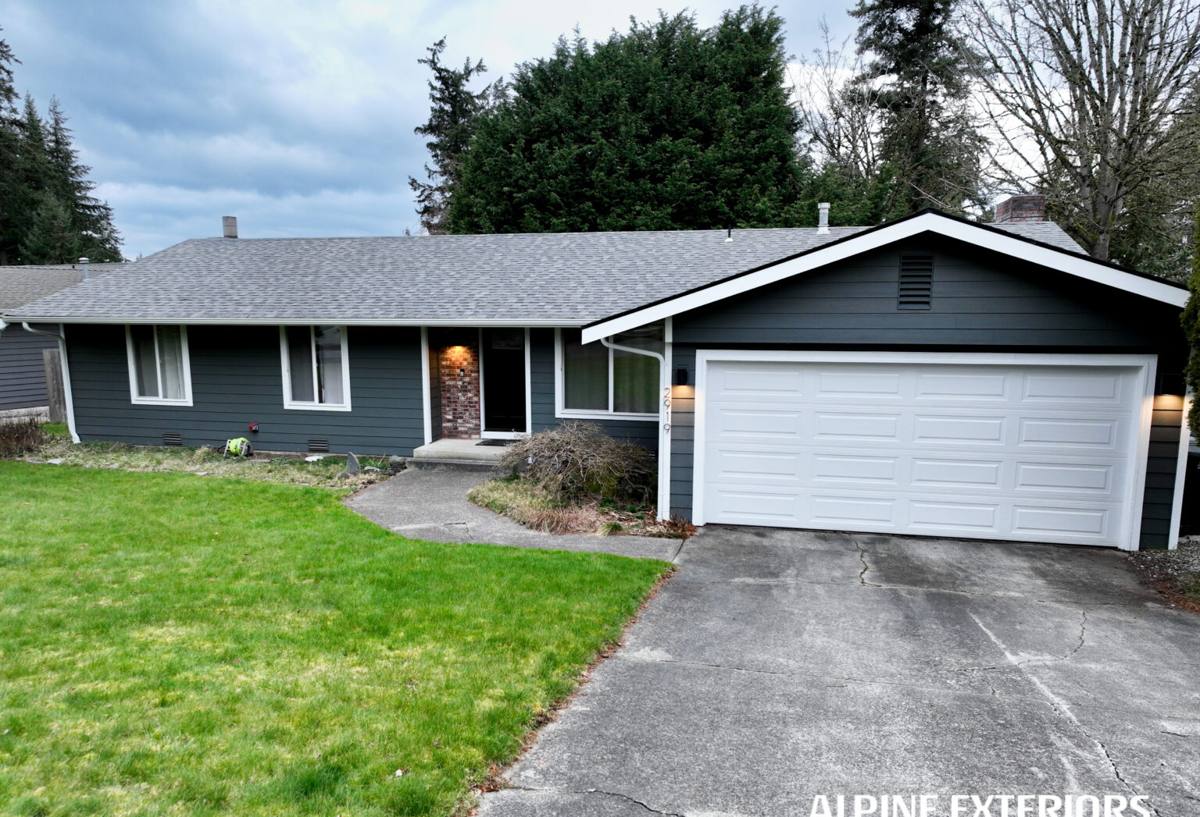
For most Birch Bay Village homes, HardiePlank lap siding in a traditional profile is the right fit — it matches the look of the wood lap siding common in the neighborhood while giving you a non-combustible, moisture-resistant material underneath.
What a Correct Installation Involves
Fiber cement siding is only as good as the installation behind it. The material can be excellent and still fail early if it's hung wrong — and in a high-moisture, salt-exposed area like this, installation mistakes show up faster than they would elsewhere.
| Installation Element | Why It Matters in Birch Bay Village |
|---|---|
| Weather-resistive barrier behind the siding | Gives the wall a second line of defense if driving rain gets past the siding lap |
| Correct fastener type and placement | Salt air corrodes the wrong fastener metal; placement affects how well panels resist wind-driven rain |
| Proper clearance at grade and hard surfaces | Keeps the bottom edge of siding from sitting in standing moisture or splash-back |
| Flashing at windows, doors, and penetrations | These are the most common points where driving rain finds a way in |
| Panel gaps and caulking per manufacturer spec | Fiber cement expands and contracts; gaps done wrong crack the finish and let moisture in |
Every one of these steps is spelled out in James Hardie's installation manual, and every one of them is also a step that can be skipped or rushed by a crew that doesn't install this product regularly. That gap between "installed" and "installed to spec" is where most premature siding failures come from — regardless of the material.
A Quick Checklist for Homeowners Evaluating a Siding Bid
- Does the bid specify HZ5-rated Hardie product, not a generic "fiber cement" line item?
- Is a weather-resistive barrier included, or are they siding directly over existing sheathing?
- Does the proposal call out flashing details at windows, doors, and roof lines?
- Are fastener type and clearance-at-grade addressed, or left to "standard practice"?
- Is the crew James Hardie trained, and can they explain their gap and caulk approach?
Our Process, Start to Finish
We start with an in-person look at your home's exposure — which walls take the worst of the driving rain, where moss has already gotten a foothold, and where the existing siding or sheathing shows signs of moisture damage that needs to be addressed before new siding goes up. From there we put together a written estimate that specifies the exact Hardie product, color, and trim details, so there's no ambiguity about what's being installed.
Once work begins, that means removing old siding, inspecting and repairing sheathing where needed, installing a proper weather-resistive barrier, and hanging the new siding to manufacturer spec — not shortcuts, not "close enough." We walk the finished job with you before we consider it done.
Cost Factors for a Fiber Cement Siding Project
Every home is different, so we don't quote prices without seeing the job, but the main factors that drive cost on a Birch Bay Village project are consistent:
| Factor | Impact on Cost |
|---|---|
| Condition of existing sheathing | Rot or moisture damage found during tear-off adds repair work before new siding can go on |
| Home size and wall complexity | More corners, dormers, and trim details mean more labor and cut waste |
| Siding profile and finish selection | ColorPlus color and plank width options vary slightly in material cost |
| Access and site conditions | Slopes, landscaping, and tight setbacks affect staging and labor time |
| Trim and accessory scope | Corner boards, fascia, and soffit work done alongside siding add to the total |
Keeping Moss and Salt Air From Undermining the Investment
Even the right material installed correctly still benefits from basic upkeep in this climate. A soft wash to remove moss and algae buildup, keeping gutters clear so water isn't sheeting down the wall face, and trimming back vegetation that keeps siding shaded and damp all go a long way. ColorPlus finish reduces how often you'll need to touch up paint, but it doesn't eliminate the value of rinsing salt residue off the siding periodically, especially on walls that face the water directly.
Why Hiring a Crew That Already Works Birch Bay Village Matters
A contractor who mostly works drier, inland parts of Whatcom County can still do competent work, but they may not default to the flashing details, fastener choices, or clearance practices that matter most where salt air and driving rain are a daily fact of life. A crew that's already worked on homes in this specific area has seen firsthand what happens when those details get skipped — and builds around it as standard practice, not an afterthought.
That local pattern recognition is hard to fake. It's the difference between a crew that follows a generic checklist and one that knows exactly which wall on a Birch Bay Village home takes the worst weather and adjusts accordingly.
If you're weighing a siding project for your Birch Bay Village home, we're happy to take a look and give you a straightforward, no-pressure estimate — including an honest read on what your current siding and sheathing condition actually calls for. Use the form below to get started.