 Birch Bay Siding
 Cherry Point's Climate Is Hard on Windows — Here's Why
Cherry Point sits close enough to the water that salt air is a daily fact of life, not an occasional nuisance. Combined with the driving rain that comes off the Strait during fall and winter storms, and the long, damp moss season that Whatcom County is known for, windows here take a beating that inland homes never see. Vinyl gets brittle faster in salt-laden air, aluminum hardware corrodes, wood trim holds moisture longer than it should, and any gap in flashing or sealant becomes an entry point for wind-driven water within a season or two.
We've done window work throughout Birch Bay and the surrounding shoreline communities long enough to know that a window that performs fine in Bellingham or Ferndale doesn't automatically hold up the same way a half-mile from the water. Custom windows for Cherry Point means matching the product, the installation detail, and the maintenance plan to this specific exposure — not just installing whatever's in stock.
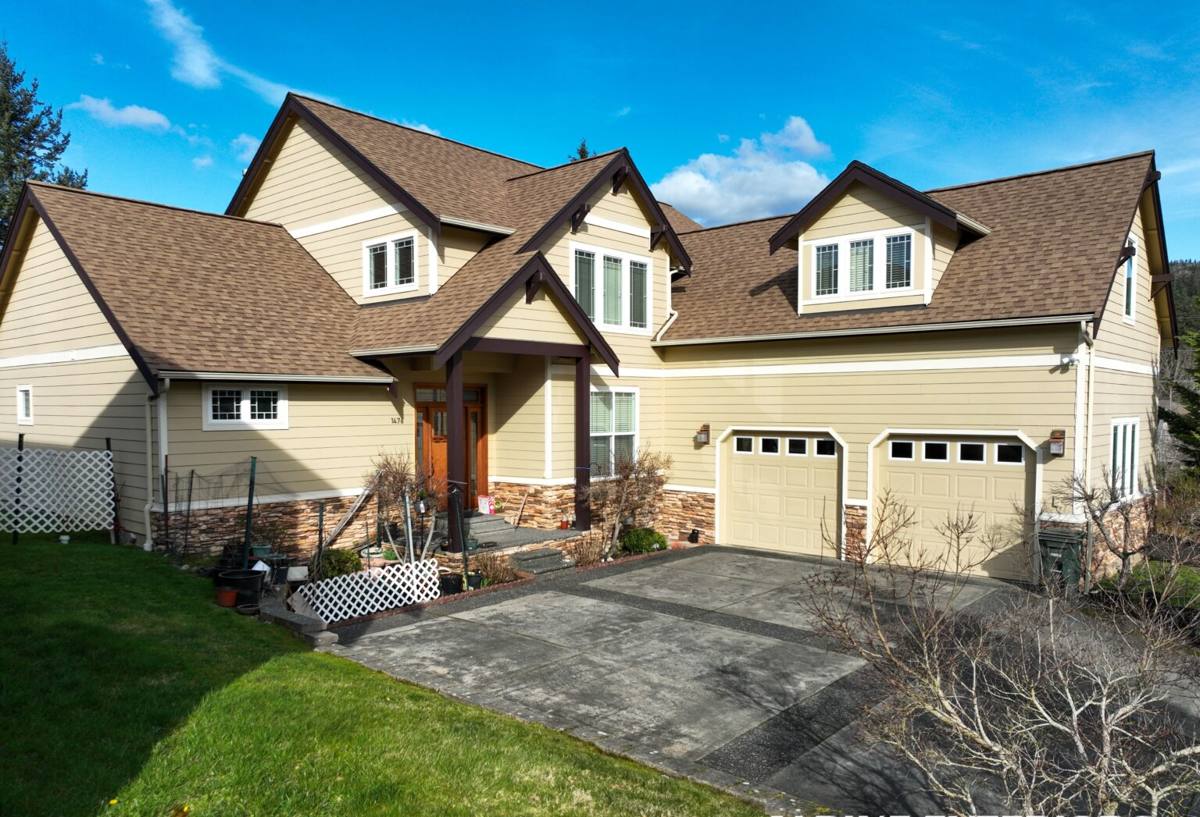
What "Custom" Actually Means for This Neighborhood
Custom doesn't just mean an oddly-shaped window. In Cherry Point, it usually means one or more of the following:
- Older homes with settled or slightly out-of-square openings that off-the-shelf sizes won't fit cleanly
- Original wood-frame openings where the rough opening dimensions don't match anything currently manufactured in standard sizes
- Mixed exposures on the same house — a south or west wall taking direct salt spray and rain, versus a more sheltered side that ages very differently
- A need to match window lines, muntin patterns, or trim profiles on additions or partial replacements so the house doesn't end up looking patched together
- Upgrading glazing or frame material specifically to handle corrosion and moisture, not just for looks
A correct custom job starts with an honest look at why the existing windows are failing — condensation between panes, soft trim, hardware that won't latch, drafts — before we talk about products. That diagnosis is what should drive the spec, not the other way around.
Choosing the Right Window Material for Salt Air and Rain
There's no single "best" window material for every house — it depends on exposure, budget, and how much upkeep the homeowner wants to take on. Here's how the common options actually behave in a Cherry Point setting:
| Material | Salt Air / Corrosion Behavior | Moisture Behavior | Maintenance |
|---|---|---|---|
| Vinyl | Good — no metal corrosion, but sun and salt exposure can accelerate brittleness over decades | Handles moisture well; welded corners resist water intrusion if installed correctly | Low — occasional cleaning, no painting |
| Fiberglass | Very good — dimensionally stable, resists pitting and corrosion | Excellent moisture and temperature stability | Low — durable finish, minimal upkeep |
| Wood / Wood-Clad | Requires protective cladding or diligent finishing; exposed wood suffers in salt air | Prone to swelling and rot if seals fail; clad exteriors reduce this risk | Higher — periodic finish checks, especially on exposed elevations |
| Aluminum | Poor without quality coatings — raw aluminum corrodes and pits near salt water | Conducts moisture and cold; condensation risk is higher | Moderate — coating maintenance matters |
For most Cherry Point homes we recommend vinyl or fiberglass on directly exposed walls, reserving wood or wood-clad for sheltered elevations or where matching an existing architectural style matters more than minimizing upkeep. This is a professional judgment call based on exposure and maintenance appetite — not a claim that any one material is universally superior.
Signs Your Current Windows Are Losing the Fight
Homeowners often wait longer than they should because window failure is gradual. Watch for these signs, especially on walls that face the water or take the brunt of storm winds:
- Fogging or moisture trapped between panes of double- or triple-glazed units — the seal has failed
- Soft, spongy, or discolored trim and sills, especially at the bottom corners
- Visible green or black growth on frames, sills, or nearby siding — a sign moisture is lingering, not just surface dirt
- Hardware that's stiff, corroded, or won't latch fully
- Drafts or whistling during wind events, particularly on west- or south-facing walls
- Paint or finish that's peeling from the inside out, which usually means moisture is getting behind the surface, not just weathering it
Any one of these on its own might just mean routine maintenance. Several together, especially combined with fogged glass, usually means the windows are past the point where sealing or minor repair will fix it.
What a Correctly Installed Window Actually Involves
Most window failures we see in this area aren't a bad product — they're an installation that didn't account for wind-driven rain. A correct install includes:
Flashing and Weather Barrier Integration
Flashing needs to shed water down and out, integrated with the house wrap or weather-resistive barrier in the right shingle-lap order — not just caulked over. This is the single most common shortcut that causes leaks two or three years down the road, well after the crew that cut corners is gone.
Sealing That Accounts for Wind-Driven Rain
Storms here don't just drop rain straight down — wind pushes it sideways and upward under sills and around trim. Sealant needs to be applied at the right joints, with backer rod where gaps call for it, and it needs to be a product rated for the temperature swings and UV exposure of this climate.
Proper Shimming and Fastening
A window that's out of square, even slightly, stresses the frame and can crack seals prematurely. Custom or not, every unit gets shimmed level and plumb before it's fastened, with fasteners placed to manufacturer spec so the warranty stays intact.
Interior and Exterior Finish Work
Trim, caulk lines, and touch-up paint or stain matter as much for weather-sealing as they do for appearance. A gap left in exterior trim is a future moisture problem, not just a cosmetic one.
Our Process, Start to Finish
- On-site assessment — we look at every window in question, note exposure direction, and identify what's actually failing and why
- Measurement and product selection — exact rough opening measurements, material recommendation based on exposure, and options review with honest pros and cons for this specific house
- Scheduling around weather — we work around storm systems where possible, since opening up a wall in driving rain isn't good for anyone
- Removal and prep — old units come out carefully, and we inspect the rough opening for hidden rot or moisture damage before anything new goes in
- Installation — flashing, shimming, fastening, and sealing done to the standard above, not shortcuts
- Finish work and cleanup — interior and exterior trim, touch-up, and a final walkthrough so you know what to expect from the new windows
Why Hiring a Crew That Already Works Cherry Point Matters
Window installation isn't uniform across Whatcom County. A crew that mostly works inland jobs may not think twice about flashing details that matter enormously a half-mile from saltwater. We work this stretch of coastline regularly, which means we already know which elevations on a typical Cherry Point home take the worst of the weather, how moss and algae tend to establish themselves on north-facing trim, and which sealant and material choices actually hold up here versus which ones look fine on paper but underperform in this specific salt-and-rain combination.
That local familiarity also means fewer surprises during the job — we're not guessing at how the wind typically hits a given wall or how quickly moss reappears after a cleaning. We plan the work around exposure realities we've already seen play out on other homes nearby.
Living With Windows Long-Term in This Climate
Even a well-installed, well-chosen window needs some upkeep in a marine environment. A few habits go a long way:
- Rinse salt residue off frames and glass periodically, especially after storms with onshore wind
- Keep gutters and downspouts clear so overflow doesn't run down onto window heads
- Check caulk lines annually, particularly on south- and west-facing units, and re-seal small cracks before they become leaks
- Address moss or algae on nearby siding and trim promptly — it holds moisture against the wall and can migrate onto window frames
- Operate hardware periodically through the year so latches and locks don't seize from corrosion or disuse
None of this is complicated, but skipping it is exactly how a good window installation turns into a premature replacement.
If you're dealing with foggy glass, soft trim, or drafts in a Cherry Point home, we're glad to take a look and give you a straight assessment of what's actually going on — no pressure, no upsell. Use the form below to request a free estimate.