 Birch Bay Siding
 Why Sumas Homes Need Windows Built for This Climate, Not a Catalog
Whatcom County weather doesn't do windows any favors. Between the moisture-laden air blowing in off the water near Birch Bay, driving rain that comes in sideways more often than straight down, and a moss season that can stretch for most of the year, a window that was a fine fit for a drier climate can start failing here within a few seasons. Homes around Sumas deal with the same damp, low-sun stretches as the rest of the county — long wet winters, short drying windows in summer, and near-constant humidity pressing against every seam in the building envelope.
Custom windows aren't just about getting an odd-sized opening filled. They're about matching the unit, the frame material, and the installation method to the specific way this region's weather attacks a house. A window that's "close enough" in size but wrong in construction or poorly flashed is a slow leak waiting to happen, and in this climate, slow leaks turn into rot, mold, and expensive repairs faster than most homeowners expect.
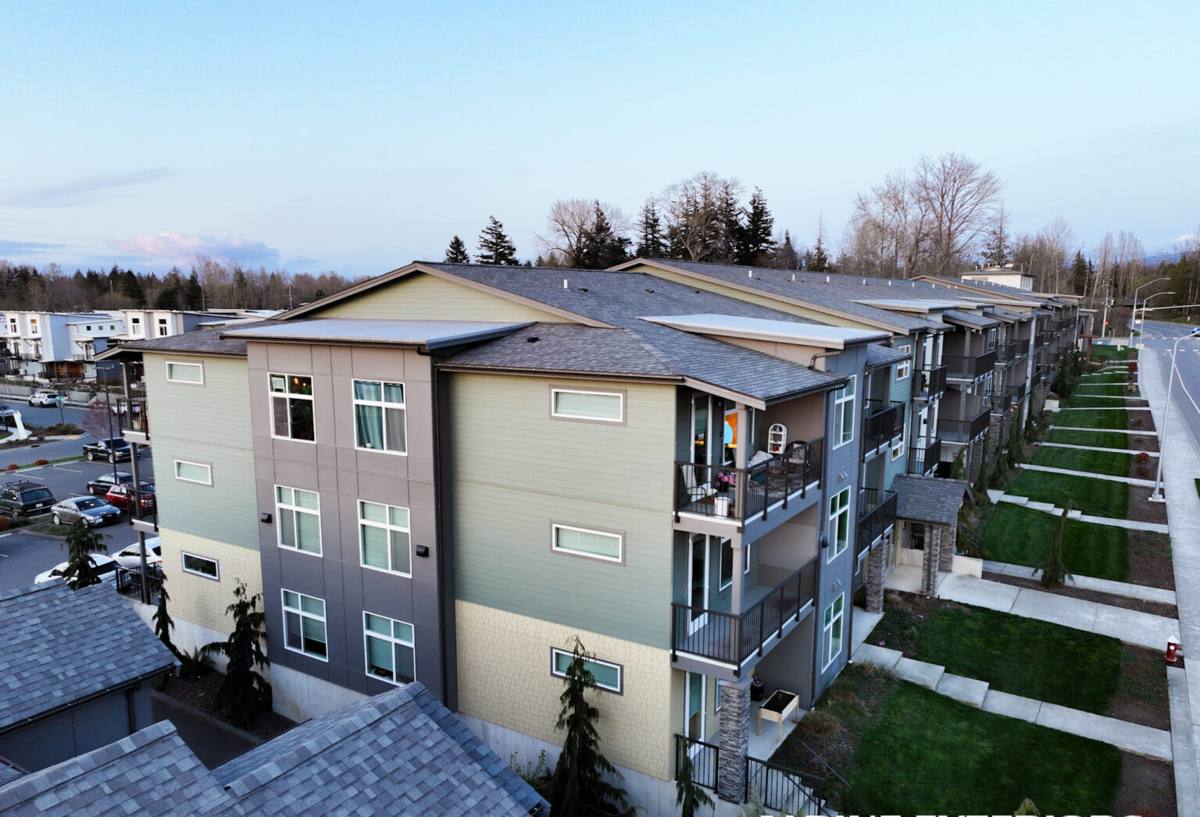
What This Climate Actually Does to the Wrong Window
It helps to understand the specific failure points before talking about solutions. In Sumas and the surrounding Birch Bay area, the problems we see repeatedly come down to a handful of causes:
- Wind-driven rain forces water sideways under trim and through gaps that would stay dry in a calmer climate — standard caulking alone doesn't hold up.
- Constant humidity keeps wood window components damp longer between rain events, giving rot and mold more time to take hold before anything dries out.
- Moss and algae growth on and around window sills and trim holds moisture against the frame, accelerating decay in painted wood and lower-grade composites.
- Salt-tinged air carried inland from the coast corrodes cheap hardware, hinges, and fasteners faster than inland climates would.
- Temperature swings between damp nights and warmer afternoons cause condensation on interior glass, which over time can degrade seals on lower-quality insulated glass units.
None of these are exotic problems. They're the everyday reality of owning a home in this part of Washington. The fix isn't complicated either — it's choosing the right materials and installing them correctly the first time.
What "Custom" Actually Means for a Window Project
Exact Openings, Not Nearest Standard Size
Older homes in and around Sumas often have window openings that don't match today's standard sizing — settling, older construction methods, or additions built over the years all shift dimensions slightly. Custom windows are built to the exact rough opening, which matters more here than in a dry climate: an ill-fitting window means gaps that get packed with foam or caulk as a workaround, and workaround seals are exactly what fail first under driving rain.
Matching Home Style, Not Just Function
Custom also means matching the grid pattern, trim profile, and proportions of the home rather than installing whatever's in stock. On older farmhouses and cottages common in this area, mismatched window styles are one of the fastest ways to make a house look like it's had cheap work done, even when the window itself performs fine.
Retrofit vs. New Construction Frames
Whether a project calls for a retrofit (insert) frame or a full new-construction frame with a nailing fin depends on the condition of the existing framing and sheathing. We check for hidden water damage before recommending either approach — installing a retrofit frame over compromised framing just seals in a problem that will resurface later.
Material and Glass Options for This Climate
Not every window material handles Whatcom County's moisture the same way. Here's how the common options compare for homes in the Sumas and Birch Bay area specifically:
| Material | Moisture Resistance | Maintenance | Typical Fit |
|---|---|---|---|
| Vinyl | Excellent — won't rot or absorb water | Low; occasional cleaning | Most homes; best value for durability |
| Fiberglass | Excellent — very stable in wet/dry cycling | Low | Higher-end builds, larger openings |
| Wood-clad (exterior-clad) | Good on the exterior face; interior wood needs protection from condensation | Moderate — cladding protects, interior may need occasional attention | Historic or traditional-style homes |
| Solid wood, unclad | Poor without diligent upkeep in this climate | High — regular painting/sealing required | Restoration projects only, by owner preference |
| Aluminum | Fair — prone to condensation without thermal breaks | Low, but performance concerns | Rarely recommended for this region |
For most Sumas-area homes, we steer people toward vinyl or fiberglass because they simply don't give moisture anything to work with. Wood-clad is a legitimate choice for homeowners who want a traditional wood interior look, but it comes with the honest trade-off of needing more attention over time, particularly around the interior sill where condensation collects during cold, damp stretches.
The Installation Details That Actually Prevent Leaks
Most window failures we get called out to fix aren't caused by a bad window — they're caused by a window that was installed without the right sequence of flashing and sealing. In a climate with this much wind-driven rain, the installation matters as much as the product.
Flashing Sequence
Water management around a window opening has to work like shingles on a roof — each layer overlapping the one below so water is directed outward and down, never trapped behind the siding. Sill pan flashing at the bottom of the opening is non-negotiable here; it gives any water that does get past the window a way out instead of a place to sit.
House Wrap Integration
The window flashing has to tie into the existing weather-resistive barrier correctly, not just get taped over it. Gaps or reversed laps at this stage are invisible from the outside and can take years to show up as interior damage.
Sealant Placement
Sealant belongs at specific points in the assembly, not everywhere. Over-sealing a window, particularly around the bottom, can actually trap water inside the frame instead of letting it drain — a mistake we see fairly often on older repair jobs.
How We Approach a Custom Window Project
- On-site assessment — we look at the existing openings, check for hidden moisture or framing issues, and talk through what's actually needed versus what's cosmetic.
- Measurement and product selection — exact measurements are taken for each opening, and we walk through material, glass, and style options suited to the home and this climate.
- Ordering and lead time — custom units are built to spec, so we set realistic expectations on timing up front rather than guessing.
- Removal and installation — old windows come out carefully to protect interior finishes and siding, and new units go in with full flashing and sealing done to a consistent standard, not shortcuts.
- Final check and cleanup — every window is tested for smooth operation and a proper seal before we consider the job finished, and the site is left clean.
Energy Efficiency and Everyday Comfort
Beyond keeping water out, window performance affects heating bills and comfort year-round. In a climate with long overcast stretches and persistent damp cold, a few details make a real difference:
- Low-E coatings reduce heat loss through the glass without noticeably changing how much light comes in.
- Insulated (double or triple-pane) glass with gas fill cuts down on both heat loss and interior condensation, which matters given how much moisture is in the air here for much of the year.
- Warm-edge spacers around the glass reduce cold spots at the edge of the pane, which is often where condensation and eventual seal failure start.
- Proper U-factor for the region — we help homeowners understand what performance rating actually makes sense for this climate rather than chasing a number that's overkill or underpowered for the Pacific Northwest.
A Simple Maintenance Checklist for Sumas-Area Windows
- Clear moss and debris from sills and trim before it holds moisture against the frame
- Check exterior caulking each fall for cracking or gaps before the wet season sets in
- Wipe down interior sills during cold snaps if condensation collects overnight
- Test that weep holes on vinyl and fiberglass frames are clear and draining properly
- Inspect hardware and locks annually for corrosion, especially on homes closer to the coast
Why Hiring a Crew That Already Works in This Area Matters
Window installation looks similar on paper everywhere in the country, but the details that actually matter change with the climate. A crew that mostly installs in drier regions may not think twice about flashing sequence or sill pan drainage, because in a lot of the country those shortcuts don't get punished right away. In Whatcom County, they do — usually within a year or two, once the driving rain and moss season have had time to find every weak point.
Working regularly in and around Birch Bay and communities like Sumas means we're not learning this climate on a customer's house. We know what a properly sealed window here needs to hold up against, what materials are worth the extra cost, and what corners genuinely can't be cut. That's not a sales pitch — it's just what consistent, honest work in this specific climate requires.
Ready to Talk About Your Windows?
If you're dealing with drafty, foggy, or leaking windows in your Sumas-area home, or you're planning ahead for a replacement before winter rains set in, we're glad to take a look. Reach out for a free, no-pressure estimate using the form below — we'll walk the property, answer your questions honestly, and give you a straightforward plan for what your home actually needs.