 Birch Bay Siding
 Windows Built for Marietta's Stretch of Birch Bay
Marietta sits close enough to the water that its homes take a different kind of weather beating than houses even a few miles inland in Whatcom County. Salt-laden air off Birch Bay works its way into every gap and seam, driving rain comes in sideways during winter storms, and the shaded, damp stretches under trees and eaves grow moss and algae almost year-round. Windows are one of the first things on a house to show the wear from that combination, and they're also one of the most expensive things to get wrong. This page is about what a correct custom window job looks like specifically for homes in this part of Birch Bay — not a generic overview of window types.
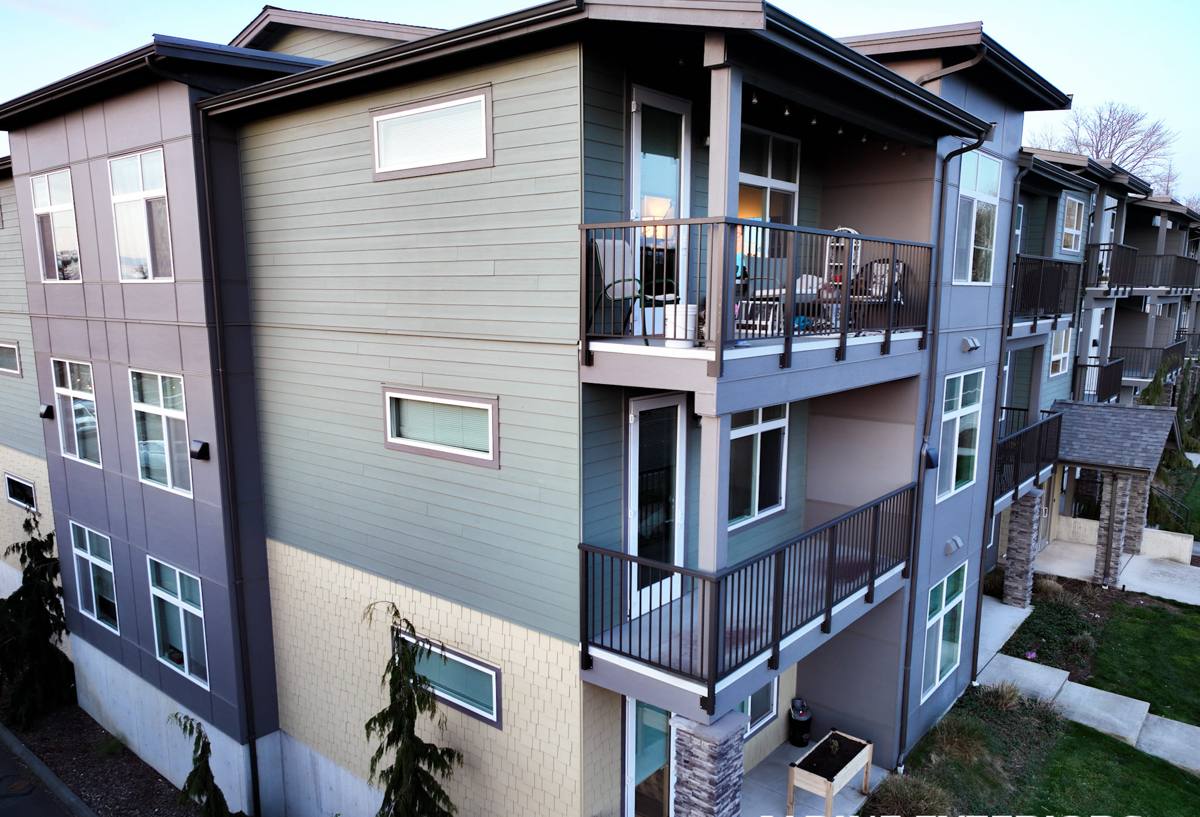
What Salt Air, Driving Rain, and Moss Season Actually Do to Windows
Each of these three conditions attacks a window differently, and a good installer accounts for all three at once rather than treating them as one generic "coastal weather" problem.
Salt air and corrosion
Airborne salt settles on metal hardware, screens, and fasteners. Over years it accelerates corrosion on lower-grade hinges, locks, and cranks, and it can pit unprotected aluminum trim. This is less about the glass and more about what's holding the window together and sealing it.
Driving rain and wind-driven water
Birch Bay storms don't always come straight down. Wind-driven rain gets pushed sideways and upward into gaps that a calm-weather installation would never expose. If flashing, sill pans, and sealant details aren't done correctly, water finds its way behind the trim and into the wall cavity — often without any visible sign until there's already rot or mold underneath.
Moss and prolonged dampness
Shaded exteriors, north-facing walls, and areas under overhangs stay damp longer here than they would inland. Moss and algae growth on siding and trim around windows holds moisture against the wall assembly for extended periods, which is hard on wood trim, caulk joints, and any exposed fasteners nearby.
None of this means windows here need to be exotic or over-built — it means the details of material choice and installation matter more in Marietta than they would in a drier, inland town, and cutting corners shows up faster.
What a Correct Custom Window Installation Involves
"Custom" windows simply means each opening is measured and built or ordered to that exact opening rather than forcing a stock size to fit — important on older Birch Bay homes where openings have often settled or shifted slightly out of square over the decades. A correct job has several parts that all have to be right together, not just one.
Frame and sash material
The frame material determines how the window handles moisture and salt exposure over its lifespan. We'll go over the tradeoffs by material below, but the short version is: whatever you choose, it needs a finish and hardware rated for coastal exposure, not just standard-grade parts.
Flashing and the sill pan
This is the part homeowners never see and the part that matters most. A sill pan under the window directs any water that does get past the sash back outside instead of into the wall. Flashing tape integrated with the house wrap, properly lapped so water sheds downward and outward, is what actually keeps driving rain out — the window unit itself is only half the story.
Sealant and joint detailing
Exterior sealant around a window has a working life, and in salt air and constant damp it tends to fail sooner than manufacturer literature assumes. We detail joints so that sealant is a backup to good flashing, not the only line of defense — because caulk alone, however good, is not a substitute for a properly lapped weather barrier.
Glazing package
Double-pane, low-E glass is the practical standard for this climate — it manages condensation and heat loss better than single-pane or budget-grade double-pane units. Argon-filled units improve performance somewhat further, though the frame and installation quality usually matter more to real-world results than squeezing out the last bit of glazing performance.
How Our Process Works for a Marietta Home
The steps are the same on every job, but what we look for at each step is shaped by what we've seen fail on homes in this stretch of Birch Bay.
1. On-site assessment
We look at each opening from both sides — checking for soft trim, staining, or moss buildup that can signal existing water intrusion, and checking how exposed each wall is to prevailing wind and rain direction. Not every window on a house faces the same risk.
2. Measuring and ordering
Custom units are measured to the actual opening, not a nominal size. On older homes we account for out-of-square openings so the new window sits plumb and level rather than being shimmed to fit a slightly racked frame.
3. Removal and opening prep
Old sealant, damaged trim, and any compromised sheathing get addressed before the new unit goes in. If we find rot or water damage behind an old window, we'll show you what we found and talk through the repair before sealing anything back up — not surprise you with it after the fact.
4. Flashing and installation
Sill pan, house wrap integration, and window flashing go in per the sequence that actually sheds water — this is the step that determines whether the window performs in a real storm, not just on a calm day.
5. Sealing, trim, and finish
Exterior sealant, trim, and any paint or finish work are completed with attention to the joints most exposed to wind-driven rain and salt spray.
6. Final walkthrough
We check operation, look, and seal with you before considering the job done — and we're straightforward about basic care that will extend the life of the install.
Comparing Frame Materials for This Climate
There's no single "best" window material for every house — it depends on your budget, your home's style, and how exposed a given wall is. Here's how the common options actually perform under salt air, driving rain, and heavy moss/moisture exposure.
| Material | Salt Air / Corrosion | Moisture Handling | Maintenance |
|---|---|---|---|
| Vinyl | Doesn't corrode; hardware quality varies by manufacturer | Good when installed with proper flashing | Low — occasional cleaning |
| Fiberglass | Very good; stable, doesn't pit or corrode | Good; dimensionally stable in wet/dry cycling | Low |
| Wood / Wood-clad | Exterior clad protects wood; unclad wood is vulnerable | Requires intact finish to resist rot | Higher — finish upkeep matters in damp shade |
| Aluminum | Can pit or corrode over time without a marine-grade finish | Prone to condensation without thermal breaks | Moderate |
For homes closest to the water or in heavily shaded, damp spots prone to moss, we lean toward vinyl or fiberglass with quality hardware. Wood-clad windows can still be the right call for a specific look, but we'll be direct with you about the added upkeep that comes with it in this climate.
What Drives the Cost of a Window Job
Every custom window job is priced around the specifics of the opening and the work involved — there's no flat per-window number that's honest across every house. The main factors are:
| Factor | Why It Matters |
|---|---|
| Number and size of openings | More and larger windows mean more material and labor |
| Frame material and glazing package | Fiberglass and upgraded low-E/argon glass cost more than base vinyl |
| Condition of existing openings | Rot repair or out-of-square framing adds labor before install |
| Wall exposure | Highly exposed walls may warrant extra flashing detail and time |
| Access and story height | Second-story or hard-to-reach windows take longer to work safely |
We walk through these factors with you on-site and give a straightforward estimate before any work starts — no pressure, no inflated "today only" pricing tactics.
Signs Your Marietta Home's Windows Need Attention
A quick self-check before calling anyone can help you describe the problem accurately and get a more useful assessment. Look for:
- Fogging or moisture between panes on double-glazed units (a sign the seal has failed)
- Soft, discolored, or moss-covered trim around the frame
- Windows that are hard to open, close, or lock, especially after damp weather
- Visible corrosion or stiffness on hardware — cranks, hinges, locks
- Drafts or a cold feel near the frame even with the window fully closed
- Peeling paint or bubbling finish on the interior sill or exterior trim
- Water staining on interior drywall or trim below or beside the window
Any one of these on its own might be minor. Several together, especially with visible moss or staining nearby, usually means water has already been getting past the window for a while.
Why a Crew That Already Works Marietta Matters
Window installation isn't just a product install — it's a judgment call on every opening about exposure, flashing detail, and what the specific wall assembly needs. A crew that regularly works homes in this part of Birch Bay has already seen how the local wind and rain patterns actually behave against real walls, which sides of a house take the worst of winter storms, and how quickly moss and moisture problems show up in shaded corners here versus a drier inland neighborhood. That's the kind of judgment that doesn't come from a install manual — it comes from doing the work here, repeatedly, and paying attention to what holds up and what doesn't.
It also means straightforward communication. If we find a problem behind an old window — rot, prior water damage, undersized flashing — we'll show it to you and explain the honest options rather than either hiding it or using it to upsell you into something you don't need.
Caring for New Windows in a Coastal Climate
A correctly installed window still benefits from basic upkeep in this environment. Rinsing salt residue off exterior frames and hardware periodically helps hardware last longer. Keeping gutters and nearby vegetation trimmed back reduces how much moisture and organic debris (which feeds moss) sits against trim and siding near the window. Checking exterior caulk lines every year or two and touching up any cracked or separated sealant before it becomes a leak path is a small task that prevents a much bigger repair later. None of this is complicated, but it's worth doing consistently in a climate that doesn't give a window much of a break.
If you're noticing any of the signs above, or you're simply ready to replace aging windows before they become a bigger problem, we're happy to come take a look. The estimate is free, there's no pressure, and you'll get a straight answer about what your home actually needs — just fill out the form below to get started.