 Birch Bay Siding
 Marietta's Waterside Climate Puts Real Stress on Siding
Marietta sits close enough to the water that homes here take a different kind of beating than siding just a few miles inland. Salt-laden air moves off the bay and settles into anything porous, driving rain comes in sideways during winter systems, and the long stretch of grey, damp months between fall and spring gives moss, algae, and mildew months at a time to get established on north-facing walls and anything shaded by trees. Whatcom County's marine climate is mild on temperature but relentless on moisture, and siding that isn't built for that combination shows it early — chalking, swelling, soft spots, and paint that won't hold no matter how often it's redone.
Siding replacement in a community like Marietta isn't just about swapping old material for new. It's about choosing a product and installation method that actually holds up to salt exposure and near-constant humidity, not one that looks fine in a showroom and struggles once it's facing real Whatcom County weather year after year.
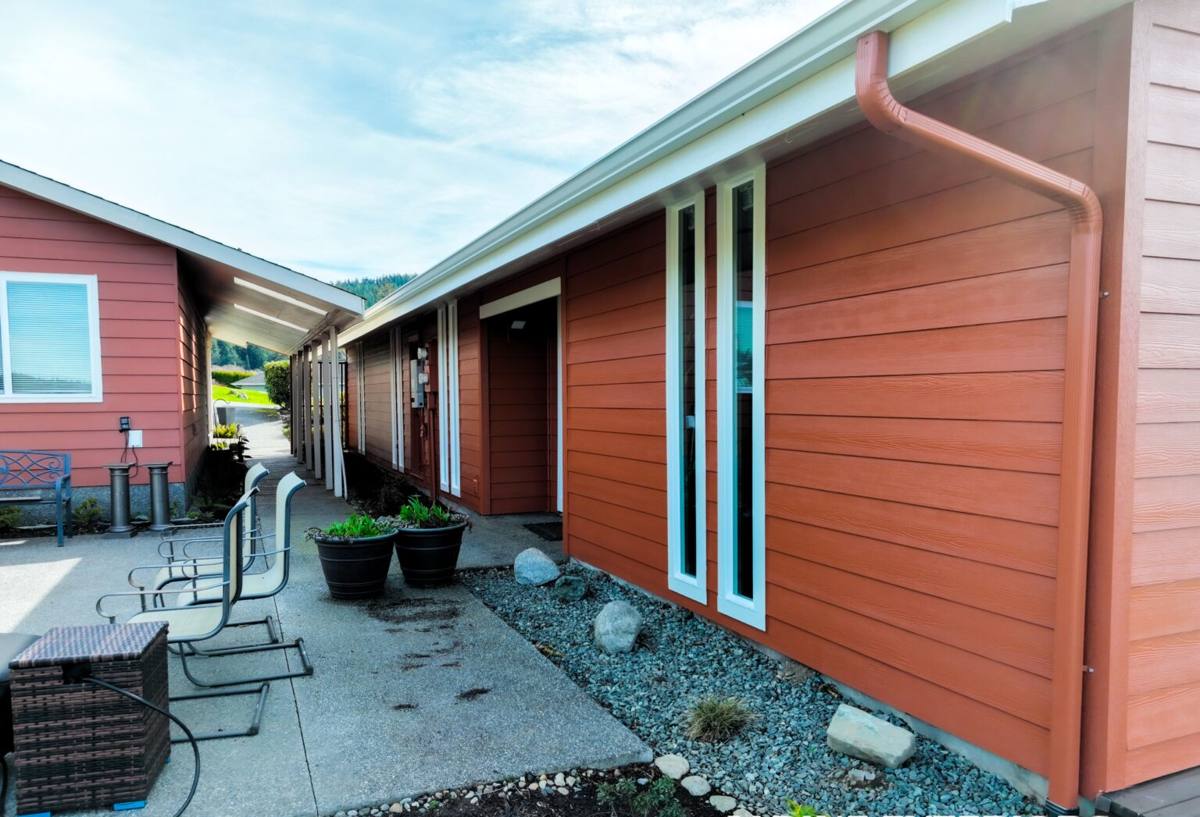
Signs a Marietta Home Needs Siding Replacement
Homeowners in this area often live with early warning signs longer than they should, assuming a pressure wash or a fresh coat of paint will buy more time. In a salt-air, high-rain environment, those signs usually mean the damage is past the point where patching helps.
- Soft, spongy, or crumbling siding when pressed, especially near the bottom courses and around window trim
- Persistent moss or dark streaking that returns within weeks of cleaning
- Paint that blisters, peels, or won't hold for more than a season or two
- Visible gaps, warping, or cupping boards, particularly on walls facing prevailing wind and rain
- Rising utility bills or noticeably drafty rooms along exterior walls
- Interior signs — stained drywall, musty smells, or bubbling paint near exterior corners — that point to moisture getting behind the siding
What a Correct Siding Replacement Job Actually Involves
Replacing siding correctly is mostly about what happens before the new siding ever goes up. In a climate that pushes moisture at a house from every direction, the layers underneath the visible surface matter as much as the surface itself.
Tear-Off and Sheathing Inspection
Old siding comes off in full sections so the sheathing underneath can actually be inspected, not guessed at. This is where hidden rot from years of trapped moisture usually shows up — soft plywood or OSB, rusted fasteners, or water staining that never made it to the interior. Damaged sheathing gets replaced before anything new goes on; covering it up just resets the clock on the same problem.
Weather-Resistive Barrier and Flashing
A properly lapped weather-resistive barrier, correctly integrated flashing at windows, doors, and roof-to-wall transitions, and rainscreen or drainage detailing where appropriate are what actually keep driving rain from reaching the framing. This is the step that gets rushed on lower-quality jobs and is the single biggest factor in whether a house stays dry through a Whatcom County winter.
Fastening and Clearances
Fiber cement siding has manufacturer-specified fastening patterns, nail penetration depths, and ground and roof clearances that exist specifically to manage moisture and prevent wicking. Skipping or eyeballing these specs is one of the most common reasons siding that should last decades fails in a fraction of that time.
Finish and Sealing
Factory-applied finishes, correctly caulked joints, and properly primed cut edges close out the job. Field-painted cut ends left exposed are a small detail that causes outsized moisture problems in a wet coastal climate.
Why We Install Only James Hardie Fiber Cement Siding
We made a deliberate decision to install James Hardie fiber cement exclusively, and it comes down to how the product performs specifically in conditions like Marietta's. Hardie's HZ5 product line is engineered for climates with significant moisture exposure — that includes resistance to moisture-related swelling, cracking, and warping that plagues wood and engineered-wood siding in wet regions. It's also non-combustible, which matters given the wildfire smoke and dry-season risk that now touches even the wet side of the state.
The ColorPlus factory finish is baked on under controlled conditions rather than applied on-site, which means better adhesion and color retention against UV and salt air than field-applied paint typically achieves. Hardie backs the product with a substantial, transferable limited warranty, which matters to buyers if the home ever sells. We don't install vinyl, LP SmartSide, Cemplank, Allura, or primed wood siding — not because those products have no merit, but because we've standardized on the one system that we can stand behind fully in this specific climate, and we'd rather do one thing at the highest standard than offer several with compromises we'd have to explain later.
How Siding Materials Compare in Marietta's Conditions
| Material | Moisture Tolerance | Maintenance | Typical Lifespan |
|---|---|---|---|
| Vinyl | Doesn't rot, but can warp or crack in temperature swings and impacts | Low, but fading and brittleness increase over time | 15-25 years |
| Cedar / wood | Absorbs moisture readily; needs consistent sealing to resist rot in wet climates | High — regular staining, sealing, and repair | 10-20 years without diligent upkeep |
| Engineered wood (LP SmartSide) | Better than raw wood but still moisture-sensitive at cut edges and seams | Moderate — edge sealing and repainting over time | 20-30 years with proper maintenance |
| James Hardie fiber cement | Engineered for high-moisture climates; resists swelling, cracking, and rot | Low — occasional cleaning, factory finish holds color | 30-50 years with correct installation |
The pattern that matters for a home like one in Marietta is consistent across every wood-based or wood-hybrid product: the failure point is almost always moisture finding a way in, whether through a seam, a cut edge, or a coating that's worn thin. Fiber cement removes that vulnerability at the material level, which is why it holds up better under salt air and sustained rain rather than just resisting it for a few good years.
Our Siding Replacement Process
- On-site assessment — we walk the exterior, check which elevations are taking the worst weather exposure, and identify any visible rot, moisture intrusion, or trim issues before quoting the job.
- Tear-off and sheathing check — old siding comes off and the sheathing underneath is inspected and repaired or replaced as needed.
- Weather barrier and flashing installation — a properly lapped barrier and correctly integrated flashing go in around every penetration and transition.
- Hardie installation to manufacturer spec — fastening, clearances, and joint treatment follow James Hardie's published requirements, not shortcuts.
- Trim, caulking, and detail work — cut edges are sealed, joints are caulked, and trim is finished to shed water rather than trap it.
- Final walkthrough — we go over the completed work with the homeowner and address anything before calling the job done.
Why a Crew That Already Works in Marietta Matters
Siding performance in this area depends on details that aren't obvious from a spec sheet — which elevations of a Marietta home take the brunt of winter storms coming off the water, how much moss pressure a shaded north wall will see compared to a sun-exposed south wall, and how quickly salt air degrades an inferior finish versus a factory-baked one. A crew that already works this stretch of Whatcom County has seen how different products and installation choices actually hold up here over years, not just on paper.
There's also the practical side: familiarity with local permitting requirements, realistic scheduling around the wetter months so tear-off and barrier work aren't exposed to rain longer than necessary, and an understanding of the older housing stock common in communities like this — including the kinds of sheathing and framing issues that tend to turn up once the old siding comes off.
What Drives the Cost of a Siding Replacement Project
Every home is different, but a few factors consistently move the price of a siding replacement job in this area:
- Home size and number of stories, which affect material quantity and access/scaffolding needs
- Condition of the sheathing and framing underneath the old siding — hidden moisture damage adds repair time
- Amount of trim, window and door detailing, and architectural features that require custom cuts
- Whether existing siding needs full removal versus a simpler tear-off
- Site access and how much of the exterior is exposed to weather during the project
We give honest, itemized quotes rather than vague ranges, and we'll tell you upfront if we find something during tear-off that changes the scope — no surprises buried in a final invoice.
If your Marietta home is showing signs of wear from the salt air, rain, and moss that come with living near the water, we're happy to take a look and give you a straightforward, no-pressure estimate. Use the form below to get started.