 Birch Bay Siding
 Why Custer Roofs Wear Differently Than Roofs Inland
Custer sits in that stretch of Whatcom County where open farmland meets the moisture rolling in off the water near Birch Bay, and that combination is harder on a roof than most homeowners expect. It's not one dramatic weather event that wears out a roof here — it's the steady accumulation of salt-tinged air, wind-driven rain that finds every gap in flashing, and months of shade and dampness that let moss take hold. A roof that's rated fine for a dry inland climate can start showing problems in Custer years before it should, simply because it wasn't installed with this specific mix of conditions in mind.
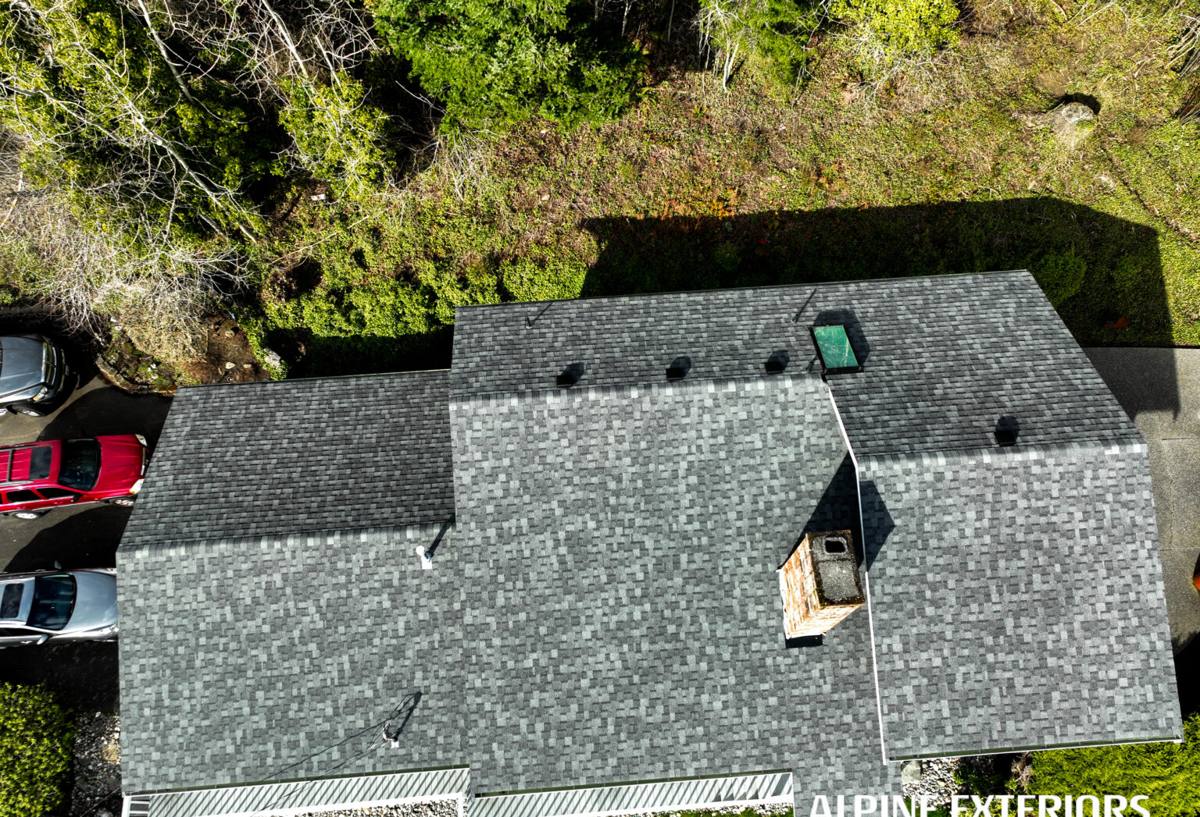
A correct new roof installation for a Custer home isn't about upgrading to the fanciest material on the market. It's about matching the right materials, the right underlayment system, and the right ventilation to what this particular stretch of Whatcom County actually throws at a house year-round.
The Climate Factors That Actually Matter Here
Salt Air and Corrosion
Homes in and around Birch Bay and Custer sit close enough to the water that salt-laden air is a real factor in material selection, even on properties set back from the shoreline. Salt air accelerates corrosion on unprotected metal — fasteners, flashing, valleys, and any exposed hardware. Standard fasteners that would hold up fine forty miles inland can start rusting and staining a Custer roof within a few seasons if they weren't rated for coastal exposure.
Driving, Wind-Driven Rain
Whatcom County's storm systems come off the Pacific with real wind behind them, and that means rain doesn't just fall straight down — it drives sideways under shingle tabs, into open valleys, and around poorly sealed flashing. A roof built for calmer inland weather often skips the extra sealing and fastening detail that wind-driven rain demands.
The Long Moss Season
Between the tree cover common on Custer properties and the extended stretch of wet, mild months typical of this part of Washington, moss and algae have a long runway to establish themselves on a roof. Moss isn't just a cosmetic issue — it holds moisture against the roofing material, lifts shingle edges as it grows, and shortens the life of any surface it takes hold on. Roofs installed without moss-resistant materials or proper airflow tend to need moss treatment or premature replacement far sooner than they should.
What a Correct New Roof Installation Actually Involves
A new roof is only as good as what happens underneath the visible surface. On every Custer job, a correct installation includes:
- Full tear-off of old roofing material — never installing over an existing layer, which traps moisture and voids most manufacturer warranties
- Inspection of the roof deck for soft spots, rot, or delamination, with damaged sheathing replaced before anything new goes down
- Ice-and-water shield membrane at eaves, valleys, and around penetrations — the areas where wind-driven rain is most likely to find a way in
- Synthetic underlayment across the full deck for a secondary water barrier beneath the shingles or panels
- Corrosion-resistant flashing and fasteners at every valley, chimney, vent, and wall transition
- Balanced intake and exhaust ventilation, sized to the actual attic space rather than a generic formula
- Manufacturer-specified nailing pattern and exposure, which matters more for wind resistance than most homeowners realize
Skipping any one of these steps doesn't usually show up as a problem in year one. It shows up in year five or six, as a leak that traces back to a valley that was underlayment-light, or moss that took over a roof plane that never got proper airflow.
Choosing Materials That Hold Up in Custer's Climate
There's no single "best" roofing material for every home — the right choice depends on budget, roof pitch, tree cover, and how much maintenance a homeowner wants to take on. Here's how the common options actually compare for a property in this climate:
| Material | Salt Air / Corrosion | Wind-Driven Rain | Moss Resistance | Typical Lifespan Here |
|---|---|---|---|---|
| Architectural asphalt shingle (standard) | Good with coastal-rated fasteners | Good when properly sealed and nailed | Fair — benefits from algae-resistant granules | 20–25 years |
| Architectural asphalt shingle (algae-resistant, copper/zinc granules) | Good with coastal-rated fasteners | Good | Strong — granules actively resist moss and algae growth | 25–30 years |
| Standing seam metal | Excellent with proper coatings and stainless fasteners | Excellent — few seams for wind to exploit | Strong — smooth surface sheds moisture, little for moss to grip | 40–50+ years |
| Composite / synthetic shake | Good | Good | Good, varies by product | 30–40 years |
For most Custer homes, we lean toward algae-resistant architectural shingles or metal roofing, specifically because of the moss and salt-air factors above. Standard builder-grade shingles without algae resistance are the material most likely to disappoint a homeowner in this particular climate — not because the shingle is poor quality, but because it wasn't designed for the moss pressure a shaded, moist Whatcom County roof plane experiences.
Ventilation: The Detail Most Roofs Get Wrong
Moss and algae don't grow because a roof is "old" — they grow because moisture sits on a roof surface longer than it should. That's usually a ventilation problem, not just a material problem. An attic that isn't venting properly keeps the underside of the roof deck warmer and damper than it should be, which in turn keeps the topside cooler and slower to dry after rain — exactly the conditions moss needs.
On a new installation, we size intake vents (usually at the soffit) and exhaust vents (ridge or box vents) to work together, not just install whatever vent came with the shingle package. A roof with strong intake but weak exhaust, or vice versa, won't actually move air — it'll just create a dead zone that stays damp longer than the rest of the roof.
Our Installation Process
1. On-Site Inspection and Estimate
We walk the roof, check the attic for existing ventilation and moisture signs, and look at tree cover and drainage patterns specific to the property — factors that matter more on rural and semi-rural Custer lots than on a tightly packed subdivision.
2. Material Selection
We go over the honest trade-offs between shingle types, metal, and composite options for that specific roof — pitch, sun exposure, budget, and how much moss pressure the site's tree cover creates.
3. Tear-Off and Deck Repair
Old material comes off completely. Any soft, rotted, or delaminated decking gets replaced before anything new goes down — this is the step that gets skipped by crews trying to move fast, and it's the one that determines whether the new roof lasts as long as it should.
4. Underlayment, Flashing, and Ventilation Installation
Ice-and-water shield at vulnerable areas, synthetic underlayment across the field, corrosion-resistant flashing at every transition, and a balanced ventilation system sized to the actual attic.
5. Roofing Material Installation
Installed to manufacturer specification for nailing pattern, exposure, and fastening — the details that determine wind performance during the region's storm season.
6. Final Walkthrough and Cleanup
A full site cleanup, including magnetic sweep for stray fasteners, and a walkthrough covering what was done and what maintenance to expect going forward.
What Drives the Cost of a New Roof in Custer
Every roof and every property is different, but the factors that most often move the price on a Custer job are consistent:
| Cost Factor | Why It Matters Here |
|---|---|
| Roof size and pitch | Steeper pitches and larger footprints take more material and labor time |
| Number of existing layers | Tear-off of multiple old layers adds disposal and labor cost |
| Decking condition | Rural and older Custer homes more often need sheathing replacement due to past moisture exposure |
| Material choice | Algae-resistant shingles and metal roofing cost more upfront but reduce moss-related maintenance |
| Site access | Longer driveways, outbuildings, and larger rural lots common in Custer can affect staging and dumpster placement |
| Ventilation upgrades | Older homes often need added intake or exhaust vents, which is additional but worthwhile work |
We give straightforward, itemized estimates rather than a single vague number, specifically so a homeowner can see where their money is going and where there's room to adjust.
Questions Worth Asking Before You Hire
Whatcom County has no shortage of roofing crews, but not all of them build with this climate in mind. Before hiring anyone for a new roof in Custer, it's worth confirming:
- Do they use algae-resistant shingles or otherwise address moss risk in their material recommendation, or just install whatever's cheapest?
- Do they specify ice-and-water shield at valleys and eaves, or only at code-minimum locations?
- Do they use corrosion-resistant fasteners appropriate for coastal-influenced air, or standard hardware?
- Will they inspect and address ventilation as part of the job, not just re-cover what's already there?
- Are they familiar with permitting requirements for Whatcom County and this part of Custer specifically?
- Do they provide a written, itemized estimate rather than a single lump-sum figure?
Why Local Experience in Custer Actually Matters
A roofing crew that already works in Custer and the greater Birch Bay area isn't guessing about how salt air, wind-driven rain, and moss behave here — they've seen it play out on roof after roof. That translates into practical decisions: which fastener to spec, how much ice-and-water shield is enough versus overkill, which roof planes on a shaded, tree-lined property need extra ventilation attention, and how the region's storm patterns should shape flashing and sealing details.
It also means faster, more realistic response when something does go wrong — a crew based in the area isn't scheduling a two-hour drive before they can even look at a leak. For a rural or semi-rural Custer property, that local presence is worth as much as any single material choice.
After Installation: Keeping a New Roof Performing
A correctly installed roof still benefits from basic upkeep in this climate:
- Keep gutters clear so water isn't backing up under the roof edge during heavy rain
- Trim back overhanging branches where practical to reduce shade and debris that feed moss growth
- Have the roof looked at every few years, especially after major windstorms, to catch lifted shingles or damaged flashing early
- Address moss at the first sign of growth rather than letting it establish, since early treatment is far less invasive than late-stage removal
If you're planning a new roof for a home in Custer or anywhere around Birch Bay, we're happy to take a look and put together a straightforward, no-pressure estimate — just fill out the form below and we'll get in touch.