 Birch Bay Siding
 Nooksack Homes Face a Specific Kind of Weather Beating
Nooksack sits inland enough from the water that people sometimes assume it gets a break from the coastal weather that hammers homes right on Birch Bay itself. It doesn't get much of one. Whatcom County's marine air still carries salt and moisture well past the shoreline, and the same weather pattern that soaks Birch Bay — long stretches of driving rain off the Strait, short gray winters, and a growing season for moss that runs most of the year — reaches Nooksack too. Add in tree cover and shaded north walls that are common on lots out this way, and you get siding that stays damp longer after every storm than siding on an open, sun-exposed home closer to town.
None of that is a reason to panic about your siding. It's a reason to be specific about what kind of siding, and what kind of installation, actually holds up here. That's the whole point of this page.
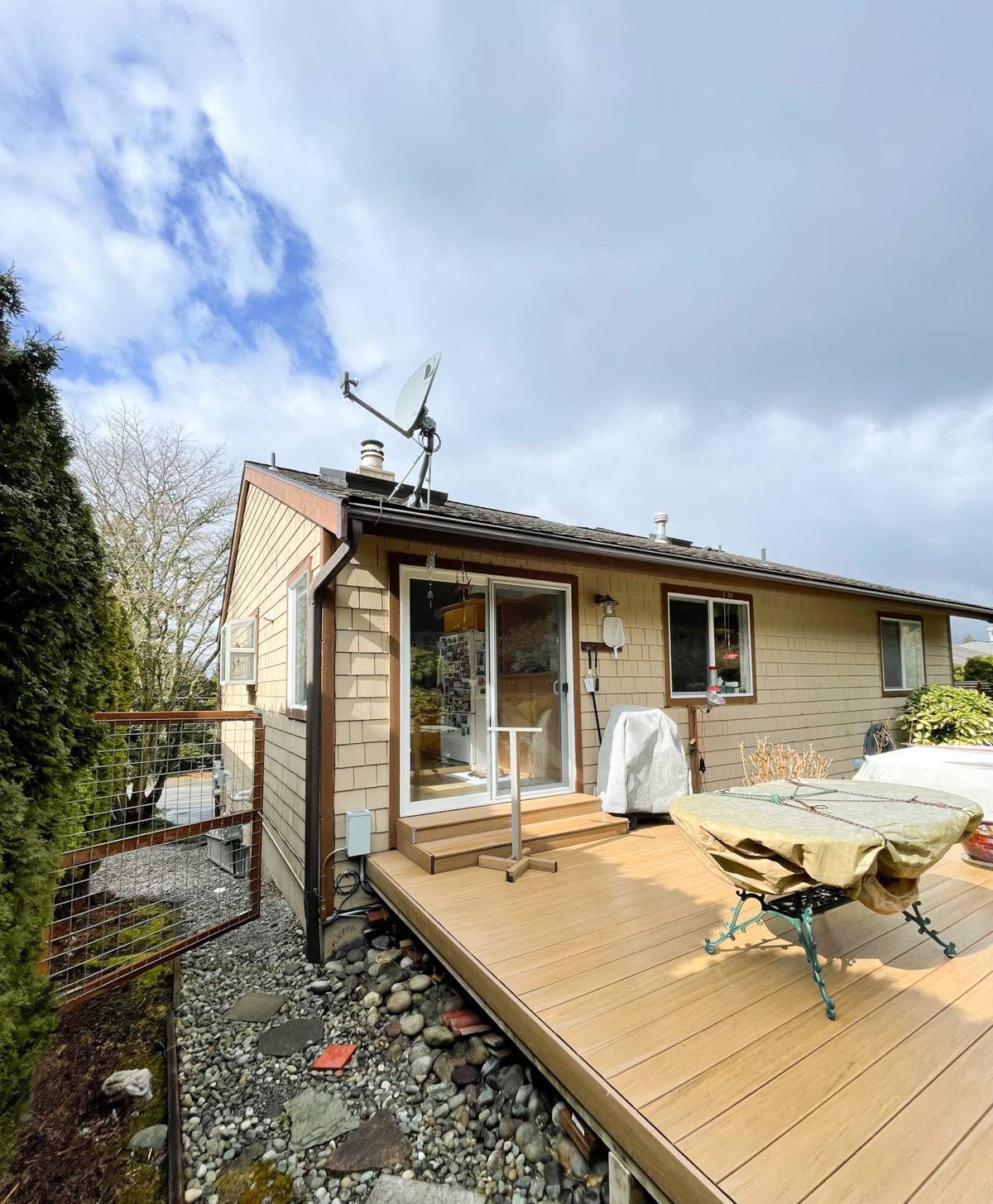
What "Correct" Fiber Cement Installation Actually Means Here
Fiber cement siding is a strong material, but it's not weatherproof by accident — it's weatherproof because of how it's detailed and installed. In a climate like ours, a handful of details separate a siding job that lasts decades from one that starts showing problems in five or six years:
- Proper clearance and flashing at the bottom of the wall, around windows and doors, and anywhere trim meets siding — this is where trapped moisture starts.
- Correct fastener pattern and type — under- or over-driven nails, or the wrong fastener for the substrate, create weak points that show up as cracking or fastener pops years later.
- A functioning drainage plane behind the siding, so any moisture that does get past the surface has somewhere to go instead of sitting against the wall sheathing.
- Correct panel gaps and caulking at joints — fiber cement expands and contracts slightly with temperature and moisture; installers who butt panels too tight or skip gapping guidelines set the job up to fail at the seams.
- Field-cut edges sealed — any cut end of a fiber cement plank needs to be sealed before it goes up, or that exposed edge becomes the first place moisture gets in.
Every one of these matters more in Whatcom County than it would in a dry climate, simply because our siding gets wet more often and stays wet longer. Skipped details don't always show up right away — they show up two, five, or ten years later, usually as soft spots, staining, or paint failure around trim.
Why We Install James Hardie and Nothing Else
We standardized on James Hardie fiber cement siding across every job we do, including here in Nooksack. We don't install LP SmartSide, vinyl, Cemplank, Allura, or bare cedar and primed spruce siding — not because those products can't be installed correctly by someone, but because we've made a professional decision about what we're willing to put our name behind on homes that sit in this climate.
Vinyl is inexpensive and low-maintenance, but it's a thin material that expands and contracts significantly with temperature swings, and it can crack or warp under impact — not ideal on homes exposed to wind-driven debris off the water. Engineered wood products like LP SmartSide use a wood-strand core, which means the long-term performance depends heavily on keeping every cut edge and seam sealed for the life of the siding; a single missed maintenance cycle in a wet climate is a bigger risk than it would be with a cement-based product. Bare or primed wood siding (cedar, primed spruce) looks great initially but demands a repainting and caulking schedule that most homeowners underestimate, especially with moss and algae accelerating surface breakdown.
Fiber cement, and specifically James Hardie's engineered lines, is cement-based rather than wood-based or plastic-based. It doesn't rot, it's not a food source for moss and mildew the way wood is, it holds paint and factory finish far longer than wood siding, and it's non-combustible — a real consideration during Washington's increasingly active wildfire seasons even out here in the northwest corner of the state.
HZ5 Products: Engineered for This Exact Climate
James Hardie doesn't make one generic siding product — they engineer regional formulations, and homes in our region qualify for the HZ5 product line, built specifically for climates with significant moisture exposure and freeze-thaw cycling. That's a meaningfully different product than the HZ10 formulation sold in hot, dry climates like Arizona. For a Nooksack home dealing with driving rain and long damp stretches, that regional engineering is part of why we install Hardie specifically rather than a one-size-fits-all fiber cement product.
ColorPlus Finish vs. Field Painting
Most Hardie products we install come with the ColorPlus factory finish — a baked-on finish applied under controlled conditions, backed by its own finish warranty, that resists fading and holds up to UV and moisture exposure far longer than a field-applied paint job. In a climate where moss, algae, and constant moisture are already working against any painted surface, starting with a factory finish rather than site-applied paint removes one of the weakest links in a typical siding job.
Comparing Siding Options for a Nooksack Home
| Factor | James Hardie Fiber Cement | Vinyl | Engineered Wood (LP SmartSide) | Cedar / Primed Wood |
|---|---|---|---|---|
| Moisture & rot resistance | Cement-based, does not rot | Won't rot, but seams can trap water | Wood-strand core; edges need consistent sealing | Natural wood; vulnerable without upkeep |
| Moss / algae resistance | Not an organic food source | Resistant but can trap moisture behind it | Wood surface can support growth | Prone to moss and mildew |
| Finish longevity | Factory ColorPlus finish, long-lasting | Color molded in, can fade/chalk | Factory or field-primed, repaint eventually | Needs repainting every few years |
| Fire resistance | Non-combustible | Combustible plastic | Combustible wood-based | Combustible |
| Typical maintenance | Occasional wash, repaint decades out | Low, but limited repair options | Regular edge/seam inspection | Repaint/reseal every 3-7 years |
Our Process for a Nooksack Siding Job
The process is the same whether the home is in Birch Bay proper or out toward Nooksack, but the site walk is where local conditions actually change our recommendations — tree cover, shaded walls, and existing moisture damage all factor into the plan.
- Site walk and assessment — we look at the existing siding, sheathing condition where accessible, drainage around the foundation, and any areas showing moss buildup or past moisture problems.
- Product and color selection — HZ5 panel, lap, or shingle-style Hardie products in a ColorPlus finish suited to the home.
- Removal and substrate check — old siding comes off and we check the wall beneath it before anything new goes up; this is the point where hidden rot or moisture damage gets caught, not covered over.
- Weather barrier and flashing — a correctly lapped drainage plane and flashing at every penetration, window, and door before siding starts.
- Installation to manufacturer spec — correct clearances, fastener pattern, panel gaps, and sealed cut edges throughout.
- Final walk-through — we go over the finished job with you before we call it done.
What to Check Before Hiring Anyone for This Job
Fiber cement siding is not forgiving of shortcuts, and it's a material that hides installation mistakes well for the first few years. Before hiring a crew for a Nooksack fiber cement job, it's worth asking:
- Are they factory-certified to install the specific Hardie product line they're quoting?
- Will they check and address the wall condition underneath your old siding, not just cover it?
- Do they carry proper liability insurance and Washington contractor licensing?
- Can they explain their flashing and clearance details specifically, not just "we install to code"?
- Do they work in this area regularly, or is this a one-off job for them?
A crew that already works Nooksack and Birch Bay regularly has already seen what this specific climate does to siding — where moss builds up first, which wall orientations stay damp longest, and which older installation shortcuts tend to fail first. That's not something a crew from outside the region picks up on the first pass.
Living With Fiber Cement Siding in a Moss-Prone Climate
Even the right product needs basic upkeep. Fiber cement siding in our climate benefits from an occasional gentle wash to keep moss and algae from building up on north-facing or shaded walls, and it's worth a visual check after major storms for any impact damage or caulking that's pulled away at trim joints. Compared to wood siding's repainting cycle or vinyl's more limited repair options, the maintenance load is genuinely light — but "low-maintenance" doesn't mean "zero-maintenance," and we'll walk you through what to keep an eye on after installation.
If you're weighing siding options for a home in Nooksack or elsewhere around Birch Bay, we're happy to take a look and give you a straight, no-pressure estimate — including an honest read on whether your current siding has more life left in it than you think. Use the form below to get started.