 Birch Bay Siding
 Decks in Point Whitehorn Take a Different Kind of Beating
Point Whitehorn sits right up against the water on the northern edge of Birch Bay, close enough to the Strait of Georgia that salt air is a daily fact of life, not an occasional nuisance. Combine that with Whatcom County's long, wet stretch of fall through spring, and outdoor structures here age differently than they would twenty miles inland. Decks take the worst of it because they're horizontal — rain sits on the boards instead of running off a wall, and the underside stays damp long after the surface looks dry.
We work on decks throughout Birch Bay and the surrounding shoreline communities, and Point Whitehorn decks tend to show a consistent pattern: fasteners that corrode faster than the wood around them, moss and algae building up on north-facing or shaded sections, and ledger boards that stay damp against the house siding for weeks at a stretch during the wet season. None of that means a deck is doomed — it means repairs need to account for what's actually happening to the structure, not just what's visible on top.
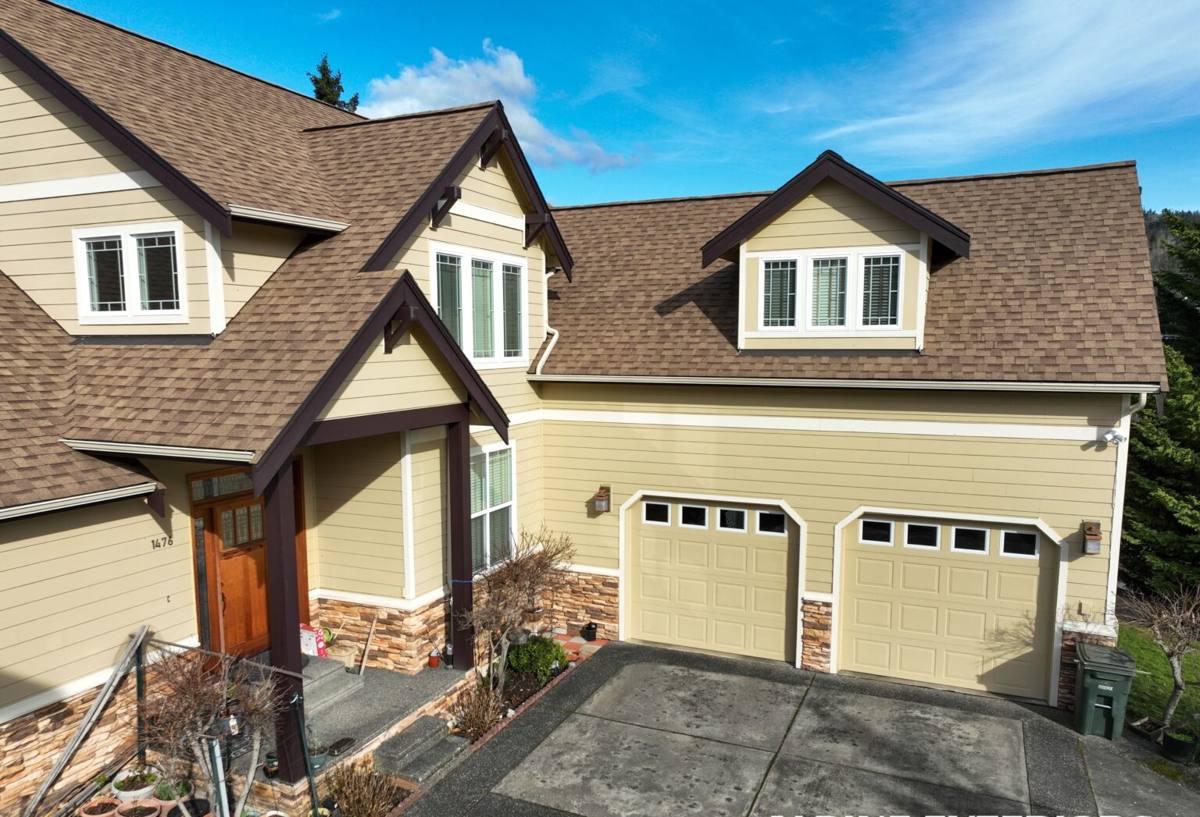
What Salt Air, Rain, and Moss Actually Do to a Deck
Salt Air and Metal Fasteners
Coastal salt in the air accelerates corrosion on nails, screws, and structural hardware — joist hangers, post bases, bolts. Once a fastener starts rusting, it loses grip strength long before it looks obviously bad. On a deck close to the water, this is often the real cause of a board that feels "loose" or a railing that has developed some play, even when the wood itself still looks sound.
Driving Rain and Water Intrusion
Wind-driven rain off the water doesn't just fall straight down — it gets pushed sideways into ledger connections, under flashing, and into any gap where boards meet the house. Over time this leads to moisture getting trapped in places that never fully dry out, which is where rot actually starts. It's rarely the open, sun-exposed deck boards that fail first; it's the hidden connections.
Moss and the Long Wet Season
Whatcom County's moss season runs long, and shaded or north-facing decks under tree cover hold onto moisture for months. Moss and algae aren't just cosmetic — they hold water against the wood surface, keep boards from drying between rain events, and make the deck surface slick and genuinely dangerous underfoot, especially on stairs.
Signs a Deck Needs Repair — And Signs It Needs More Than That
Most decks don't fail all at once. They give warning signs first, and catching them early is almost always the difference between a repair bill and a full rebuild.
- Boards that feel spongy, springy, or soft when you walk across them
- Visible gaps, cracking, or checking along the length of deck boards
- Rust streaks bleeding out from screw heads or nail holes
- A railing or post that wiggles more than it used to
- Persistent moss, algae, or black staining that keeps returning after cleaning
- Dark or discolored wood where the deck meets the house (ledger board area)
- Stairs that feel less solid than the rest of the deck
- Standing water that doesn't drain within an hour or two after rain
Any one of these on its own is usually a straightforward repair. Several of them together — especially soft boards paired with ledger discoloration — is worth a closer structural look before we talk about surface fixes.
What a Correct Deck Repair Actually Involves
A deck repair that just replaces the board you can see, without checking what's underneath, tends to fail again within a season or two in a climate like this one. We approach repairs in this order:
1. Structural Inspection First
Before replacing anything, we check the framing underneath — joists, beams, posts, and especially the ledger board connection to the house, since that's the single most common point of hidden water damage on a deck of any age.
2. Fastener and Hardware Condition
We check joist hangers, post bases, and structural bolts for corrosion, not just the visible screws in the decking. Coastal air corrodes hidden hardware well before it corrodes what you can see from above.
3. Flashing and Water Management
Where the deck meets the house, proper flashing is what keeps water from working its way behind the siding and into the ledger connection. Missing, damaged, or poorly installed flashing is one of the most common root causes we find behind repeat rot problems.
4. Matching Repairs to the Existing Structure
Replacement boards and hardware need to match the load path and fastening pattern of the original deck, not just look right. A repair that's structurally inconsistent with the rest of the deck can create a weak point even if it looks fine.
5. Surface Finish and Protection
Once the structural work is done, the right sealant, stain, or finish — matched to whether it's wood or composite — helps the repaired sections hold up against the next wet season instead of becoming the next problem area.
Repair or Replace? How We Make That Call
| Condition Found | Usually Means |
|---|---|
| A few soft or damaged boards, framing is solid | Board-level repair |
| Rusted fasteners, wood underneath still firm | Hardware replacement, board repair |
| Soft or spongy ledger board area | Structural repair, possible partial rebuild |
| Rot in multiple joists or the main beam | Full or near-full rebuild |
| Deck was never flashed correctly at the house | Flashing correction plus repair of resulting damage |
| Cosmetic moss and graying only, structure solid | Cleaning and refinishing, no repair needed |
We'll always tell you honestly which category your deck falls into. If it's a cleaning and refinishing job, we're not going to talk you into a rebuild — and if the framing is compromised, we're not going to patch over it with new boards that hide a bigger problem.
Wood vs. Composite: What We Recommend for Repairs Here
When a repair involves replacing more than a few boards, it's worth thinking about whether to stay with the original material or switch sections to composite decking. Both have a place, and the right call depends on the deck's exposure and how it's used.
| Factor | Wood | Composite |
|---|---|---|
| Upfront cost | Lower | Higher |
| Moisture tolerance | Needs regular sealing to resist coastal moisture | Naturally resistant to rot and moisture |
| Moss and algae resistance | Can host growth in shaded, damp spots | Generally resists growth better, still needs cleaning |
| Maintenance | Periodic staining/sealing required | Occasional washing, no sealing |
| Appearance over time | Natural look, grays without maintenance | Consistent color, doesn't gray |
| Matching an existing deck | Easier to blend into older wood decking | May not match existing wood sections seamlessly |
For a partial repair on an otherwise sound wood deck, we usually recommend matching the existing wood so the repair blends in and the whole deck weathers evenly. For decks with a long history of moisture problems in the same spots, swapping the worst-exposed sections to composite can reduce how often you're dealing with this again — that's a maintenance-burden tradeoff we're happy to walk through, not a claim that one material is universally better.
How Our Process Works
We keep the repair process straightforward from first visit to final walkthrough:
- On-site inspection — we get under the deck and check framing, not just the surface
- Honest assessment — repair, partial rebuild, or full rebuild, explained plainly
- Written estimate — clear on what's being replaced and why
- Repair work — structure first, hardware second, surface finish last
- Final check — we walk the deck with you before we call it done
We don't upsell repairs a deck doesn't need, and we don't quietly skip structural checks to keep a quote low. Both of those shortcuts show up again within a year or two on a coastal property.
Simple Maintenance That Extends the Life of a Repair
A good repair lasts a lot longer with basic upkeep between visits. This is what we recommend for decks in the Point Whitehorn area specifically:
- Sweep debris and standing leaves off the deck regularly, especially in fall
- Rinse or soft-wash moss and algae buildup before it gets established, particularly on shaded sections
- Check railings and stair connections for looseness once or twice a year
- Keep gutters and downspouts clear so runoff isn't draining directly onto or under the deck
- Reseal or restain wood decking on the manufacturer's recommended schedule, not just when it looks dry
- Look at the ledger board area where the deck meets the house once a year for any discoloration
Why It Matters to Hire a Crew That Already Works This Area
A deck repair crew that mostly works inland jobs won't automatically think to check flashing at the ledger first, or know which framing connections tend to corrode fastest this close to the water. We work on decks throughout Birch Bay and the Whatcom County coastline regularly enough to know where problems actually show up first in this climate, and to know the difference between a deck that needs a couple of boards and one that needs a structural conversation. That's not a claim about being the only capable option — it's just what comes from doing this work repeatedly in this specific environment, against this specific weather.
If your deck in Point Whitehorn has soft spots, rust stains, a wobble in the railing, or moss that keeps coming back no matter how often you clean it, we're happy to take a look. Fill out the form below for a free, no-pressure estimate — we'll tell you honestly what we find and what it would take to fix it right.