 Birch Bay Siding
 Roofing Built for Semiahmoo's Marine Climate
Semiahmoo sits right up against the water, and that location shapes everything about how a roof ages here. Homes in this part of Birch Bay, Whatcom County, deal with a combination most inland Washington towns never see at the same intensity: salt-laden air off the bay, driving rain that comes in sideways during winter storms, and a moss season that can run eight months or longer in shaded, north-facing sections of a roof. An asphalt shingle roof that would perform fine 20 miles inland can wear out years early here if it wasn't installed with this specific environment in mind.
This page covers what asphalt shingle roofing actually needs to hold up in Semiahmoo, what a correct installation looks like, and how we approach roofing work in this neighborhood specifically.
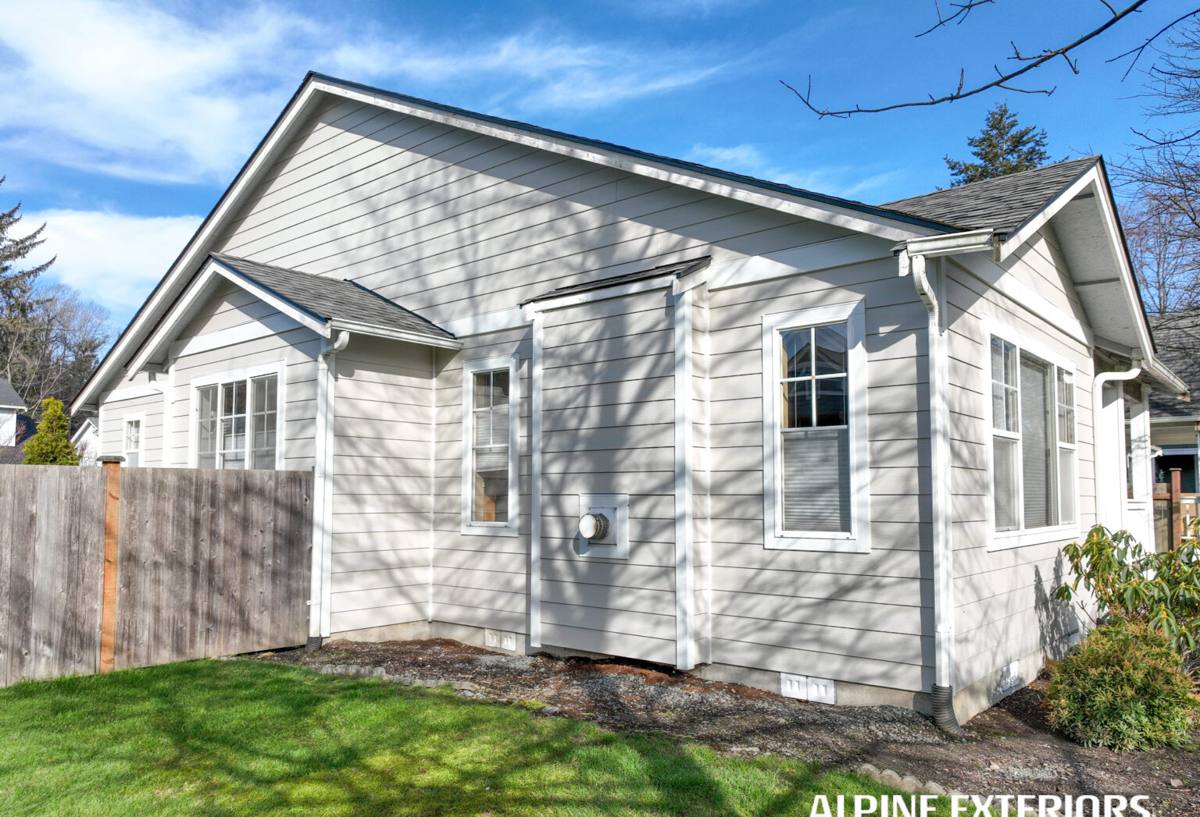
What Salt Air, Rain, and Moss Actually Do to a Shingle Roof
Salt Air and Metal Components
Asphalt shingles themselves are fairly resistant to salt, but the metal parts of a roofing system are not. Flashing, drip edge, nail heads, and vent stacks all corrode faster near the water than they do a few miles inland. Once flashing starts to pit or rust through, water finds a path underneath the shingles at valleys, chimneys, and roof-to-wall transitions — long before the shingles themselves are due for replacement. This is why material choice on the metal side matters as much as the shingle choice on a Semiahmoo roof.
Driving Rain and Wind-Driven Water
Birch Bay gets weather straight off the strait, and a lot of that rain doesn't fall straight down — it drives in at an angle, sometimes hard enough to work its way under shingle tabs and around fasteners that would be fine in a calmer climate. Underlayment quality and shingle sealing become the difference between a roof that sheds this water and one that slowly lets it in at the edges, valleys, and any place two roof planes meet.
Moss and Algae Growth
The combination of shade, moisture, and mild temperatures gives moss everything it needs to establish itself on north- and east-facing slopes, especially under tree cover. Moss doesn't just look bad — it holds moisture against the shingle surface, lifts tabs as it grows under the edges, and accelerates granule loss. Left unchecked over a few seasons, moss can shave real years off a shingle roof's service life, particularly on the shaded sides of a home.
Choosing the Right Asphalt Shingle for a Semiahmoo Home
Not every asphalt shingle product handles this climate the same way. The main differences that matter here are algae resistance, wind rating, and how the shingle's sealant performs in cool, damp conditions.
| Shingle Type | Typical Lifespan Here | Best For | Trade-Offs |
|---|---|---|---|
| 3-tab asphalt | 15-20 years | Budget-conscious re-roofs, secondary structures | Lower wind rating, less algae resistance, shows moss staining faster |
| Architectural (laminate) asphalt | 25-30 years | Most Semiahmoo homes | Higher upfront cost, but stronger wind rating and better performance in driving rain |
| Algae-resistant (copper/zinc-granule) asphalt | 25-30 years | Shaded lots, homes with heavy tree cover or moss history | Slight cost premium over standard architectural shingles |
| Impact-resistant (Class 4) asphalt | 25-30+ years | Homes wanting maximum durability and possible insurance credit | Highest material cost of the asphalt options |
For most Semiahmoo properties, we steer homeowners toward a mid-to-high grade architectural shingle with built-in algae resistance. The algae-resistant granules (usually a copper or zinc compound blended into the shingle) actively discourage moss and algae growth on the roof surface itself, which matters more here than it would on a drier, sunnier lot.
What a Correct Installation Involves — Not Just the Shingles
The shingle brand gets most of the attention, but in a climate like this, the components underneath and around the shingles do more to determine how long the roof lasts.
Underlayment and Ice-and-Water Protection
A synthetic underlayment rated for high wind and moisture exposure is the baseline here, not an upgrade. In valleys, along eaves, and around any roof penetration, a self-adhering ice-and-water membrane gives a second line of defense in exactly the spots where wind-driven rain and ice dams are most likely to force water backward under the shingles.
Flashing and Metal Details
Given how quickly standard galvanized flashing can degrade near the bay, we favor corrosion-resistant flashing and drip edge at valleys, chimneys, skylights, and wall intersections. This is one of the areas where cutting corners doesn't show up as a problem for a year or two — it shows up as a leak three, five, or seven years down the road, after the warranty conversation has already gotten complicated.
Ventilation
Proper intake and exhaust ventilation keeps the attic dry and the roof deck at a stable temperature, which does two things: it protects the shingle warranty (most manufacturers require adequate ventilation to honor it) and it reduces the moisture buildup that contributes to moss and mold problems on the underside of the roof deck, not just the surface.
Fastening
Correct nail placement and nail count — not staples, and not high nailing above the manufacturer's line — is what keeps shingles sealed down during the wind events that come through Birch Bay in the fall and winter. Under-fastened shingles are one of the most common causes of early wind damage we see on re-roofs in this area.
Our Process for Semiahmoo Roofing Projects
- On-site inspection. We walk the roof (or use a drone where pitch or access makes that impractical) and check the deck, flashing, ventilation, and any moss or algae staining, not just the shingle surface.
- Honest assessment. We tell you plainly whether the roof needs full replacement, a repair, or just a maintenance visit — including where the current roof is legitimately still doing its job.
- Written scope and estimate. You get a clear breakdown of materials, underlayment, flashing work, and ventilation changes before anything is scheduled.
- Tear-off and deck check. Old material comes off down to the deck, and we inspect for rot or soft spots before anything new goes down — a step that's easy to skip and expensive to skip wrong.
- Installation. Underlayment, ice-and-water membrane at vulnerable areas, corrosion-resistant flashing, shingles, and ventilation components go in per manufacturer specification.
- Final walkthrough. We review the finished roof with you, including care and moss-prevention guidance specific to your lot's shade and exposure.
Maintenance That Actually Matters in This Climate
A well-installed asphalt shingle roof in Semiahmoo still needs periodic attention to reach its full lifespan. The routine here is different from what a roof in a drier climate needs.
- Clear moss and debris from shaded slopes before it has a chance to establish and lift shingle tabs
- Keep gutters and valleys free of needles and leaf buildup, which trap moisture against the roof edge
- Trim back overhanging branches to reduce shade and debris on north-facing slopes
- Check flashing around chimneys, skylights, and vents for early signs of corrosion or lifting
- Have the roof inspected after any major wind event, not just on a fixed yearly schedule
- Address small leaks or lifted shingles promptly — driving rain finds small gaps quickly
Homeowners who stay ahead of moss and flashing issues typically get noticeably more service life out of the same shingle product than homeowners who wait until there's a visible problem.
Signs Your Roof Needs Repair or Replacement
Some warning signs are easy to spot from the ground; others take a closer inspection to catch.
- Granules collecting in gutters or at the base of downspouts
- Shingle tabs that are curling, cupping, or visibly lifted
- Dark streaking or thick moss growth on shaded slopes
- Soft spots or sagging when walking the roof (best assessed by a professional)
- Daylight visible through the attic roof deck, or damp insulation after storms
- Flashing that looks rusted, cracked, or pulled away from the roof surface
Any one of these on its own might just mean a targeted repair. Several together, especially on a roof that's already 15-20 years old, usually means it's time to talk about replacement before a repair becomes a series of repairs.
Why a Crew That Already Works Semiahmoo Matters
Roofing crews without local experience often default to standard flashing and standard underlayment specs — fine in most of the country, undersized for a lot that sits this close to the water. A crew that already works in Birch Bay and Whatcom County knows which slopes on a given street tend to hold moss, how the wind typically drives rain during winter storms, and which flashing and fastening details actually hold up here versus which ones look fine on installation day and fail in year four. That local pattern recognition is hard to replace with a generic install checklist, and it's the difference between a roof that needs attention every couple of years and one that quietly does its job for decades.
If you're weighing a repair, a full replacement, or just want an honest read on where your current roof stands, we're happy to take a look. Reach out for a free, no-pressure estimate using the form below.