 Birch Bay Siding
 Semiahmoo's Coastal Climate Is Hard on Roofs
Homes on the Semiahmoo side of Birch Bay sit closer to open water than almost any other neighborhood in Whatcom County, and the roof feels it first. Salt-laden air moves off the bay and settles on every exposed surface, accelerating corrosion on fasteners, flashing, and metal components that would last much longer a few miles inland. Add in the driving, wind-pushed rain that comes through in the fall and winter storm cycle, and you have moisture finding its way into laps, seams, and fastener heads that a roof built for a drier climate was never designed to handle.
Then there's shade. Semiahmoo's mature tree cover and marine air keep roof surfaces damp longer after every rain, which is exactly what moss and algae need to take hold. A roof here isn't just shedding water — it's fighting a slow, year-round battle against salt, moisture, and organic growth. A new roof installation that ignores any one of those three factors will look fine for a season or two and then start failing years ahead of schedule.
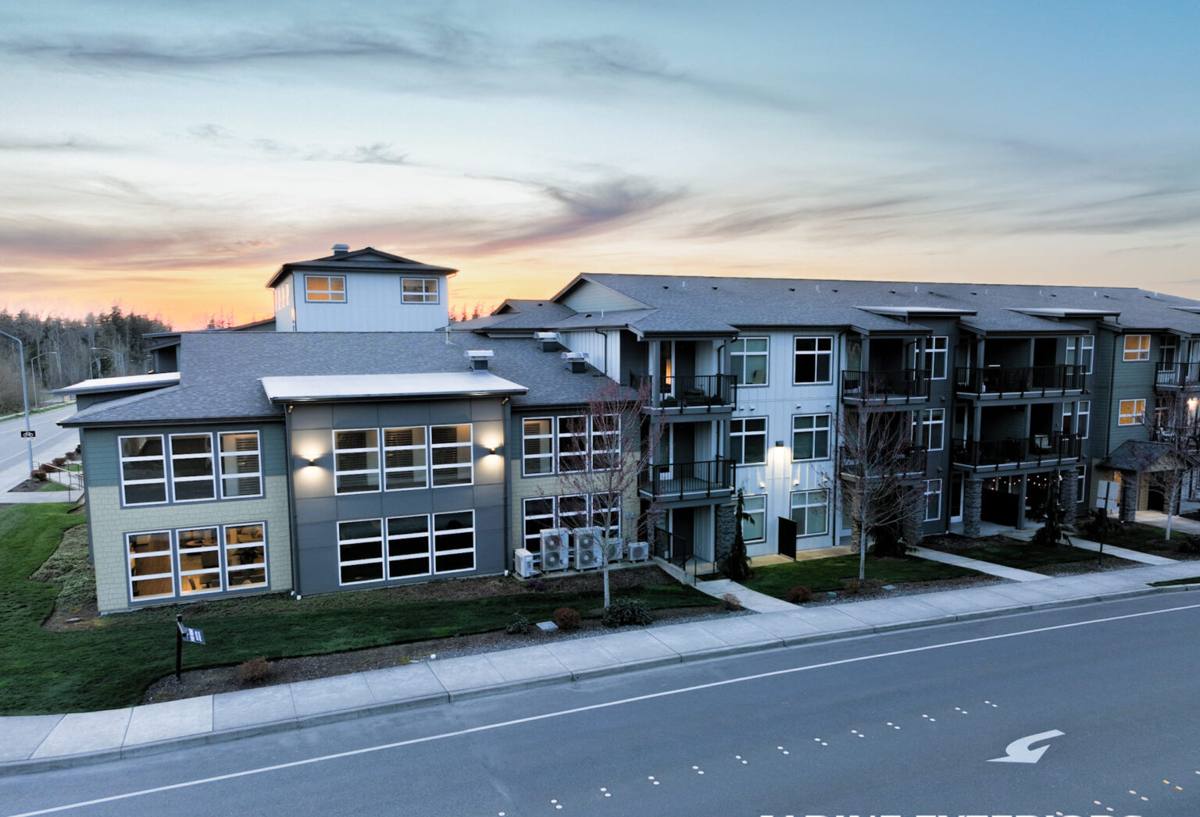
What a Correct New Roof Installation Includes
"New roof" gets used loosely. A correct installation is a full system, not a shingle swap, and every layer matters in a climate like this one.
Tear-Off and Deck Inspection
We remove the old roofing down to the deck rather than layering over it. That's the only way to find soft spots, hidden rot, or old leak damage before they're sealed under a new roof for another 20-plus years. Any damaged decking gets replaced — not patched — before anything new goes down.
Underlayment Built for Wet Cycles
Synthetic underlayment goes down as the water-resistive layer beneath the roofing material, and in valleys, eaves, and around any roof penetration we use self-adhered ice-and-water membrane. That membrane matters more here than it would in a drier inland town, because wind-driven rain can push water uphill under standard shingles at these exposures.
Flashing at Every Transition
Chimneys, skylights, sidewall intersections, and valleys are where new roofs actually fail first — almost never in the open field of shingles. Correct flashing detail at each of these points is what separates a roof that holds up through a real Whatcom County winter from one that starts leaking in year three.
Ventilation and Ridge Detail
Balanced intake and exhaust ventilation is installed as part of the system, not treated as an afterthought.
Choosing Materials That Hold Up Near Birch Bay
There's no single "best" roofing material for every home — it depends on the roof's exposure, the home's style, and the budget. But some materials are a noticeably better fit for a salt-air, high-moisture, moss-prone environment than others.
| Material | Salt-Air / Moisture Performance | Moss Resistance | Typical Lifespan | Relative Cost |
|---|---|---|---|---|
| Architectural asphalt shingle | Good, with proper flashing and underlayment | Moderate — improves with algae-resistant granules | 25-30 years | Moderate |
| Standard 3-tab shingle | Fair — thinner profile, less forgiving of wind-driven rain | Lower unless treated | 15-20 years | Lower |
| Standing seam metal | Excellent when properly coated and fastened | High — smooth surface sheds debris and moss | 40-50+ years | Higher |
| Synthetic/composite shake | Good — doesn't absorb moisture like wood | Moderate to high | 30-40 years | Higher |
For Semiahmoo specifically, we lean toward algae-resistant asphalt or metal for anything with direct water exposure or heavy tree shade, simply because the maintenance burden of a lower-tier product in this microclimate adds up fast. That's a professional judgment about long-term upkeep, not a knock on any manufacturer — every product on that table can perform well when it's matched to the right roof and installed correctly.
Ventilation: The Difference Between a Roof That Lasts and One That Doesn't
Attic ventilation doesn't get much attention from homeowners, but it's one of the biggest factors in how long a roof actually lasts near the bay. Without balanced intake at the eaves and exhaust at the ridge, warm, moist air gets trapped in the attic. In winter that moisture can condense on the underside of the deck, and over years that quietly rots sheathing from the inside — often before anything shows on the exterior. In summer, poor ventilation bakes shingles from underneath and shortens their lifespan regardless of how good the material is.
We calculate intake and exhaust as a system on every installation, matched to the home's actual attic volume and roof shape, not a generic rule of thumb applied to every job.
Flashing and Detail Work Where Roofs Actually Fail
If you talk to any roofer honestly about where leaks start, it's almost never the shingles themselves. It's the transitions:
- Where the roof meets a chimney or a wall
- Valleys where two roof planes meet and water volume concentrates
- Around skylights, vent pipes, and any roof penetration
- Low-slope sections or dormers where water moves slower and sits longer
- Eaves, where wind-driven rain can push water back under the first course
Every one of those points gets custom-formed flashing and correct layering — flashing under the underlayment on the high side, over it on the low side, so water is always directed downhill and out, never trapped. It's slower work than running shingles across an open field, and it's exactly the kind of detail that separates a roof that survives a Whatcom County winter from one that doesn't.
Moss and Algae: Building Prevention Into the Install
Moss doesn't just look bad — it holds moisture against the roof surface, works its way under shingle edges, and lifts tabs enough for water to get underneath. Given how much shade and moisture Semiahmoo gets, moss prevention isn't an optional upgrade, it's part of doing the job right.
We build in prevention at install rather than treating it as a maintenance afterthought:
- Zinc or copper strip installed near the ridge, which releases trace metal ions that inhibit moss and algae growth as rain washes over the roof
- Algae-resistant shingle granules where the product line offers them
- Proper ventilation, which keeps the deck and shingle underside drier and less hospitable to growth
- Correct roof slope and valley design so water sheds fully instead of pooling in shaded, low-flow areas
None of this makes moss impossible — nothing does in a marine climate with heavy tree cover — but it meaningfully slows it down and keeps the roof shedding water the way it's supposed to for years longer.
Our Installation Process
Homeowners in Semiahmoo generally want to know two things upfront: how long will this take, and what does the sequence actually look like. Here's the process, start to finish:
- On-site assessment — we walk the roof and attic, check decking condition where accessible, and note ventilation, flashing points, and any problem areas specific to the home.
- Written estimate — material options, scope, and a clear breakdown of what's included, with no vague allowances.
- Material delivery and staging — protecting landscaping, driveways, and siding before work starts.
- Tear-off — full removal down to the deck, with old material hauled off the same day where possible.
- Deck repair — any soft, rotted, or delaminated sheathing is replaced before anything new is installed.
- Underlayment and ice-and-water membrane — installed at eaves, valleys, and penetrations first, then across the full deck.
- Flashing, ventilation components, and roofing material installation — in that order, so every transition is sealed correctly the first time.
- Final walkthrough and cleanup — magnetic sweep for nails, gutter check, and a review of the finished roof with the homeowner.
Most straightforward residential re-roofs finish within a few days of dry weather; complex rooflines with multiple valleys, dormers, or chimneys take longer. We schedule around Whatcom County's rain patterns rather than pushing work into a storm system and hoping the tarps hold.
Why Hire a Crew That Already Works in Semiahmoo
Roofing crews that mostly work inland don't run into salt-air corrosion, wind-driven rain off open water, or moss loads like Semiahmoo sees regularly. That's not a criticism of their skill — it's just a different set of conditions than what they solve for every week. A crew that already works this stretch of Birch Bay knows which fastener and flashing materials hold up against the salt exposure here, how local wind direction off the bay affects which slopes take the worst weather, and which roof details in this specific area tend to need extra attention.
There's also a practical side: local crews know the permitting process for Whatcom County, understand typical HOA or shoreline-adjacent requirements where they apply, and aren't learning the area's quirks on your project. That familiarity shows up in fewer surprises and a roof that's built for the conditions it will actually face, not a generic install.
Questions to Ask Before You Sign a Roofing Contract
Whether you hire us or someone else, these are the questions worth asking any roofing contractor before signing anything for a full roof replacement:
- Is the estimate based on an actual on-site inspection, including the attic, or a rough guess from the ground?
- Does the quote include full tear-off and deck inspection, or is it a layover?
- What underlayment and ice-and-water membrane are specified, and where will they be installed?
- How will ventilation be handled — is intake and exhaust actually being calculated, or assumed?
- What's the flashing plan for valleys, chimneys, and any skylights?
- Are they licensed and insured to work in Washington State, and can they provide proof?
- What does the workmanship warranty cover, separate from the manufacturer's material warranty?
- Who handles cleanup, and is nail sweep included?
A contractor who answers these clearly and specifically, without hand-waving, is telling you something real about how they'll handle the job.
Ready for a Straight Answer on Your Roof
If your Semiahmoo home is due for a new roof, we're glad to come take a look, walk the attic, and give you a clear, honest assessment of what it actually needs — no pressure, no inflated scope. Fill out the form below to schedule a free estimate.