 Birch Bay Siding
 Siding Replacement Built for Birch Bay Village's Climate
Birch Bay Village sits close enough to the water that salt air is part of daily life, and close enough to the tree line that shade and dampness linger on north- and west-facing walls long after the rest of Whatcom County has dried out. That combination is hard on siding. Salt-laden air accelerates corrosion on fasteners and trim. Wind-driven rain off the Salish Sea finds every gap in a wall assembly that wasn't built to shed water. And a long moss season — often stretching from fall through spring — keeps shaded siding damp for weeks at a stretch, which is exactly the environment moss, algae, and rot need to take hold.
Replacing siding here isn't just a cosmetic project. It's a chance to correct whatever the original wall assembly got wrong, choose a material that's actually engineered for this kind of exposure, and get years of low-maintenance performance out of the investment instead of another decade of touch-up work.
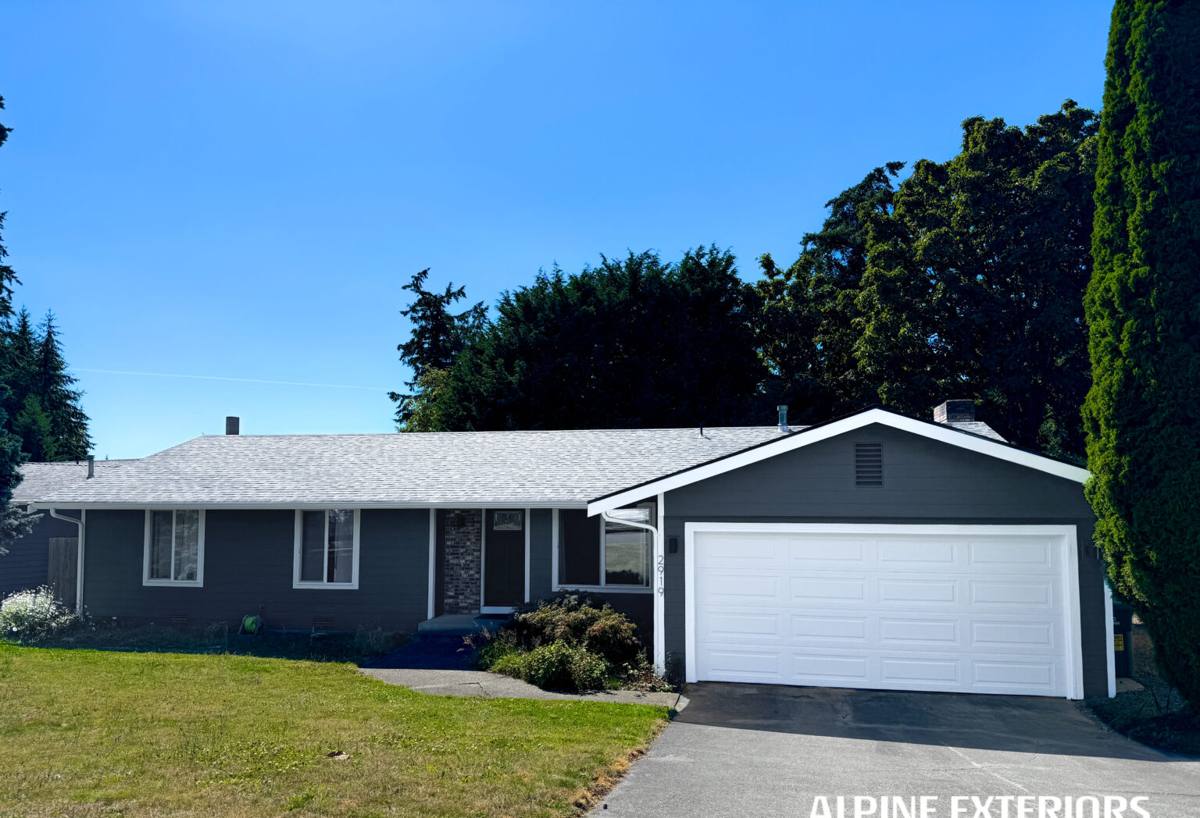
Why Homes in This Area Wear Out Siding Faster
Salt Air and Coastal Moisture
Even a few miles inland from Birch Bay's shoreline, airborne salt settles on exterior surfaces and speeds up corrosion of nails, screws, and any metal trim components. Siding materials that rely on paint film alone for protection tend to show chalking, fading, and edge deterioration faster in this environment than they would in a drier inland climate.
Wind-Driven Rain
Storms coming off the water don't just fall straight down — they get pushed sideways into walls, especially on homes with west and northwest exposure. That means water is testing every seam, joint, and piece of trim on the house, not just the horizontal surfaces. A siding system with weak water-shedding details will eventually let moisture behind the cladding, where it can sit against sheathing and framing unseen.
Moss, Algae, and Shade
Birch Bay Village's mix of mature trees and coastal humidity means many homes have siding that rarely gets direct sun for days at a time during the wet months. That prolonged dampness is ideal for moss and algae growth, which holds even more moisture against the wall surface and can trap and stain paint finishes that aren't formulated to resist it.
What a Correct Siding Replacement Actually Involves
Tearing off old siding and nailing up new material is the easy part to see — it's not the part that determines whether the job lasts. A correct replacement addresses everything underneath the visible surface:
- Full removal of old siding down to the sheathing, so hidden rot, soft spots, or prior water damage can actually be found and fixed — not covered over
- Inspection and repair of sheathing and framing before anything new goes up
- A continuous water-resistive barrier installed with correct lapping, so water is directed out and down, not trapped behind the cladding
- Properly flashed windows, doors, and penetrations — the single most common source of hidden moisture damage on coastal homes
- Correct fastener type, spacing, and placement for the specific siding product, not a generic nailing pattern
- Rain-screen or drainage gap detailing where appropriate, giving any moisture that does get behind the siding a way to drain and dry
Skipping any one of these steps can make a brand-new siding job fail years ahead of schedule, regardless of how good the material itself is.
Why We Only Install James Hardie Fiber Cement
We install James Hardie fiber cement siding exclusively. We don't install vinyl, LP SmartSide, Cemplank, Allura, primed spruce, or cedar, and that's a deliberate standard, not a limitation in what we're able to do.
Vinyl siding is inexpensive and easy to install, but it's a thin plastic product that expands and contracts with temperature swings, can crack or warp in wind-driven rain and cold snaps, and offers limited long-term color retention in salt air. LP SmartSide and other engineered wood products use wood-based cores that, however well treated, remain more vulnerable to sustained moisture exposure than fiber cement — a real concern in a climate where siding can stay damp for days. Cedar is a beautiful natural product but demands ongoing staining, sealing, and moisture vigilance to avoid rot, especially in shaded, humid conditions like Birch Bay Village sees for much of the year. Cemplank and Allura are also fiber cement, and reasonable products in general, but we've standardized on one manufacturer so we can guarantee installation quality, warranty coverage, and finish consistency without split responsibility between brands.
James Hardie fiber cement is non-combustible, dimensionally stable, and manufactured with regional climate engineering — the HardieZone system — that accounts for exactly the kind of moisture exposure this part of Washington deals with. Combined with a factory-applied ColorPlus finish, it holds up to salt air and repeated wetting far better than a field-painted product, and it comes with a strong transferable warranty when installed to Hardie's specifications.
Signs a Birch Bay Village Home Needs Replacement, Not Repair
Not every siding problem calls for a full tear-off. But there are signs that patching is just delaying a bigger, more expensive failure:
| Sign | What It Usually Means |
|---|---|
| Soft or spongy siding when pressed | Moisture has reached the substrate — often more extensive than it looks from outside |
| Persistent moss or algae despite cleaning | Chronic dampness in the wall assembly, not just a surface issue |
| Visible gaps, warping, or cupping boards | Original material or installation isn't holding up to moisture cycling |
| Paint failing within a few years of repainting | Moisture is pushing through from behind, not just UV wear on the surface |
| Rust streaks near fasteners or trim | Salt-air corrosion of hardware, common on older installations near the water |
If you're seeing more than one of these on the same wall, especially on a shaded or west-facing side of the house, it's worth having someone look at what's happening underneath before deciding between repair and replacement.
Choosing the Right Hardie Product for This Climate
James Hardie's HardieZone system assigns products to climate zones, and Birch Bay Village falls into the HZ5 zone, which accounts for cooler, wetter Pacific Northwest conditions. That affects recommended installation practices and product formulation, and it's part of why we don't treat every Hardie job the same way we might in a drier climate.
For most homes here, that means HardiePlank lap siding for the primary wall surfaces, often paired with HardiePanel or HardieShingle for accent areas, gables, or architectural detailing. ColorPlus finishes are worth strong consideration in this environment specifically because the factory-cured finish resists the fading and moisture-related paint failure that field-applied paint struggles with under repeated wetting and salt exposure. Trim details also matter more here than in a mild climate — correctly capped and flashed trim keeps water from wicking into cut edges, which is one of the more common failure points on coastal installations that were rushed or under-detailed.
What Drives the Cost of a Siding Replacement Project
Every home is different, but the same handful of factors tend to move the price up or down on Birch Bay Village projects:
| Factor | Why It Matters |
|---|---|
| Extent of hidden damage | Rotted sheathing or framing found during tear-off adds repair scope before new siding can go up |
| Home size and wall complexity | More corners, gables, and trim details mean more labor and material |
| Siding profile and finish selected | Lap width, panel style, and ColorPlus color all affect material cost |
| Access and site conditions | Mature trees, slopes, or tight lot lines common in this area can affect staging and labor time |
| Window and trim work included | Replacing or re-flashing openings during the same project adds scope but avoids redoing work later |
We won't quote a number without seeing the house, but these are the variables that typically explain why two similar-looking homes end up with different estimates.
Our Process for a Birch Bay Village Siding Replacement
- On-site inspection of existing siding, trim, and visible problem areas, including a look at moisture patterns specific to the home's orientation and shading
- Written estimate outlining scope, product selection, and what we expect to find once tear-off begins
- Careful removal of existing siding with attention to protecting landscaping and adjacent surfaces
- Sheathing and framing inspection, with any necessary repairs addressed before moving forward
- Installation of water-resistive barrier, flashing, and James Hardie siding to manufacturer specification for the HZ5 climate zone
- Final trim, caulking, and site cleanup, with a walkthrough before we consider the job finished
Because we work in Birch Bay and the surrounding area regularly, we're familiar with the kinds of wall conditions that show up in this specific coastal, tree-shaded setting — which means fewer surprises during tear-off and a more accurate estimate up front.
Why Local Experience in Birch Bay Village Matters
A crew that mostly works inland doesn't see the same problems every day that a crew working the Birch Bay coastline does. Knowing how far wind-driven rain typically pushes water up a wall here, which orientations hold moss longest, and how salt air affects fastener choice isn't something you learn from a manual — it's something you learn from doing the work in this specific setting repeatedly. That experience shows up in the details: where extra flashing gets added even though it's not strictly required, which fastener coatings hold up best a mile from the water, and how installations should be sequenced around the wet stretches that are typical for this part of Whatcom County.
It also means we're not guessing about product fit. We know how HardiePlank and ColorPlus finishes perform here because we've installed and followed up on them here, not just in a showroom or a different climate zone.
Before You Hire, a Quick Checklist
- Ask what's included in the water-resistive barrier and flashing details, not just the visible siding product
- Confirm the contractor is installing to James Hardie's published specifications for your climate zone
- Ask how sheathing or framing repairs, if discovered, are priced and handled
- Get the warranty terms in writing — both manufacturer and workmanship
- Ask how long they've worked specifically in Birch Bay or similar coastal Whatcom County conditions
If you're weighing siding replacement for a home in Birch Bay Village, we're happy to take a look and give you a straightforward, no-pressure estimate — just fill out the form below to get started.