 Birch Bay Siding
 Metal Roofing for Terrell Creek: Built for What This Corner of Whatcom County Actually Deals With
Terrell Creek sits close enough to the water that homes here take a different kind of weather beating than roofs just a few miles inland. Salt-laden air off Birch Bay works its way into fasteners and flashing over time, driving rain finds every weak seam during winter storms, and the shaded, damp stretches along the creek corridor keep roofs wet long after a storm has passed. That combination is exactly what pushes moss growth and slow material breakdown on roofs that aren't specifically detailed for it. A correctly installed metal roof handles all three of those stresses better than most alternatives, but only if it's installed with this specific environment in mind — not just installed by the book from a manual written for a drier climate.
This page covers what Terrell Creek homes need from a metal roof, what a correct installation actually involves, how our process works, and why it matters to hire a crew that already works this specific area rather than one passing through.
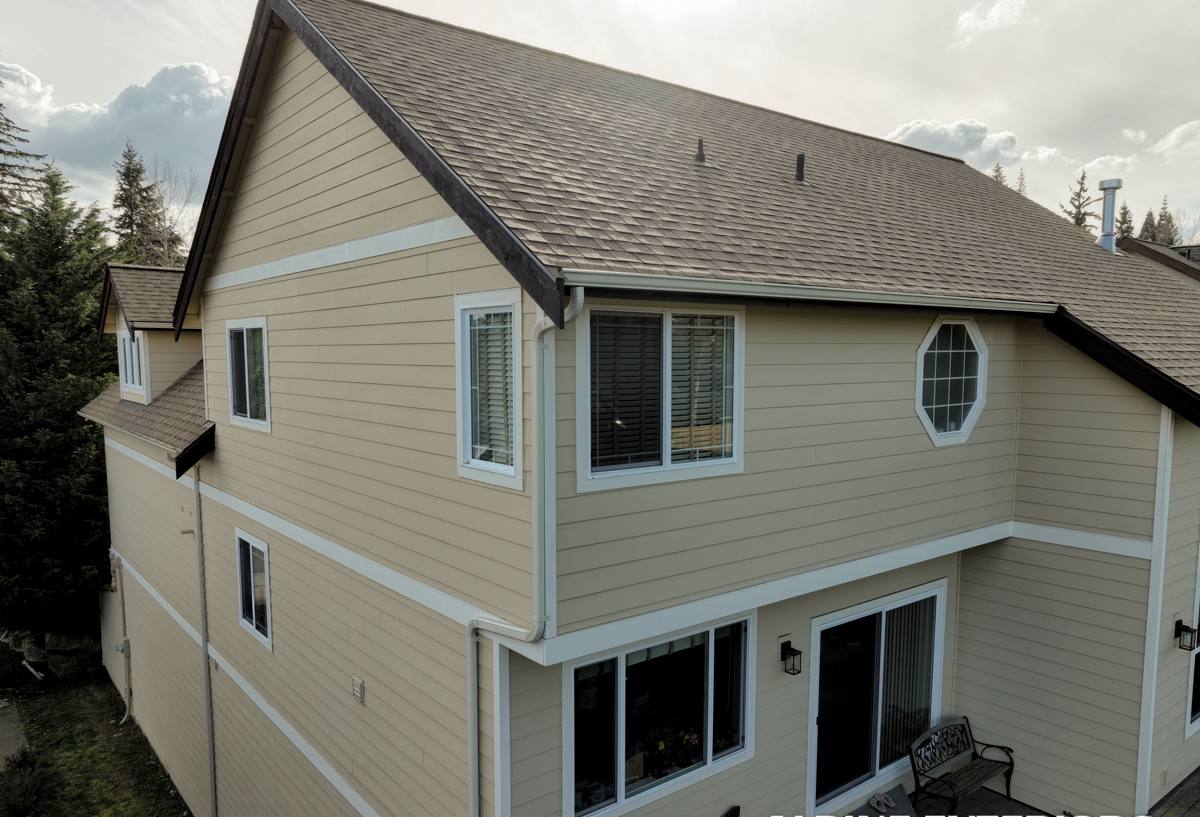
What Salt Air, Rain, and Moss Actually Do to a Roof Here
Salt Air and Corrosion
Birch Bay's proximity to Puget Sound means airborne salt is a constant, low-level presence, even on homes set back from the water. Salt accelerates corrosion on unprotected metal — fasteners, flashing, and any exposed steel edges are the first things to show it. This is why fastener choice and coating quality matter more here than they would on a roof twenty miles inland.
Driving Rain and Wind-Driven Moisture
Storms coming off the water don't just drop rain straight down — wind pushes it sideways, up under laps, and into any gap in flashing or underlayment. A roof detailed for calmer weather can leak here even when every shingle or panel looks intact, because the water is finding its way in sideways, not through a hole.
The Long Moss Season
Whatcom County's wet season runs long, and shaded, tree-lined properties near the creek stay damp for extended stretches even between rain events. That moisture, combined with organic debris from overhanging trees, is exactly what moss needs to establish. Moss holds moisture against roofing material, and on materials that can absorb or trap water, that sustained dampness is what causes premature failure — not the moss itself, but what it keeps trapped underneath it.
Why Metal Holds Up Better in This Specific Environment
No roofing material is maintenance-free in a coastal, wet climate, but metal roofing has real structural advantages for Terrell Creek conditions when it's specified and installed correctly: it doesn't absorb water, it sheds moss more easily than porous materials, and a quality coating system resists salt-driven corrosion far longer than exposed fasteners or bare metal. Here's how the common options stack up for this specific climate:
| Material | Moisture / Moss Resistance | Salt Air Durability | Typical Lifespan Here | Maintenance Load |
|---|---|---|---|---|
| Standing seam metal | High — non-porous, concealed fasteners | High with proper coating | 40-60 years | Low — periodic debris clearing |
| Exposed-fastener metal | Moderate — fasteners are a weak point | Moderate — fasteners corrode first | 25-40 years | Moderate — fastener checks |
| Asphalt composition | Low — granules trap moisture, moss roots into surface | Moderate | 15-25 years in this climate | Higher — moss treatment, granule loss |
| Cedar shake | Low — absorbs water, prone to moss and rot | Low — accelerated weathering near salt air | 15-25 years with upkeep | High — regular treatment required |
Standing seam metal comes out ahead on nearly every axis relevant to this specific microclimate, which is why we recommend it as the default for Terrell Creek homes rather than a generic, one-size-fits-all pitch. That said, budget and roof design sometimes point toward exposed-fastener panels, and we'll walk through that trade-off honestly during an estimate rather than upsell past what a given home actually needs.
What a Correct Metal Roof Installation Involves Here
Underlayment and Water Management
Metal panels are the visible layer, but the underlayment underneath does most of the work protecting the deck from wind-driven rain that gets past the panel seams. In a driving-rain environment like this one, we use synthetic underlayment rated for high wind exposure and pay particular attention to ice-and-water shield style membrane at eaves, valleys, and any roof-to-wall transition — the spots where sideways rain is most likely to find a way in.
Fasteners and Flashing
This is where salt air does the most damage if it's overlooked. We spec corrosion-resistant fasteners rated for coastal exposure, not generic hardware-store fasteners that will streak and fail early. Flashing at chimneys, skylights, vents, and wall transitions gets formed and sealed specifically for the panel profile in use — pre-bent, generic flashing is a common shortcut that shows up as a leak within a few winters.
Ventilation
Metal roofs need proper attic and roof-deck ventilation to prevent condensation from forming underneath the panels, especially in a climate with this much sustained humidity. Poor ventilation can trap moisture against the underside of the roof even if the exterior is doing its job perfectly, so we check and correct ventilation as part of any full metal roof project — not as an afterthought.
Panel Seams and Slope Considerations
Standing seam panels rely on properly formed, continuous seams to shed water without relying on sealant as a primary defense. On lower-slope sections common on some Terrell Creek homes, seam spacing and panel selection have to account for slower water runoff, which is a detail that gets missed on installs done by crews unfamiliar with mixed-pitch roofs in this area.
Our Process, Start to Finish
- On-site assessment: We walk the roof, check the deck condition, existing ventilation, flashing points, and moss or moisture damage before quoting anything.
- Honest scope and estimate: You get a written estimate that explains what's needed and why, including any deck repair or ventilation correction the job actually requires — not just a panel price.
- Material selection: We help you choose panel profile, gauge, and coating suited to a coastal, high-moisture environment, matched to your budget.
- Tear-off and deck prep: Old roofing is removed, the deck is inspected and repaired where needed, and underlayment is installed to current wind and water standards.
- Panel installation: Panels, flashing, and fasteners go in to manufacturer spec and to the coastal-exposure details covered above.
- Final walkthrough: We review the finished roof with you, including basic care and what to watch for going forward.
Choosing the Right Panel and Finish for This Location
Standing Seam vs. Exposed Fastener
Standing seam is our default recommendation for Terrell Creek because it conceals fasteners under the panel, removing the single most common point of salt-driven corrosion and future leaks. Exposed-fastener panels cost less up front and remain a reasonable option for outbuildings, shops, or budget-conscious projects, but they require more attentive maintenance in this climate since the exposed screws are the first thing to wear.
Coating and Finish
The paint or coating system on a metal panel is what actually resists salt air over decades, not just the base metal. We use coatings rated for coastal exposure and explain the trade-offs between finish options during the estimate — this isn't a place to cut corners on a roof that's going to sit this close to Birch Bay's salt air for the next several decades.
Color and Heat Considerations
Darker panel colors absorb more heat, which matters less for winter moisture management but can affect comfort and attic temperature in summer. We'll talk through color options relative to your home's exposure and existing ventilation rather than treating color as a purely cosmetic choice.
Maintenance a Terrell Creek Homeowner Should Actually Do
A well-installed metal roof in this climate needs far less upkeep than asphalt or wood, but "low maintenance" isn't "no maintenance." Here's what actually matters:
- Clear overhanging branches and debris that keep sections of the roof shaded and damp longer than the rest.
- Check and clean gutters each fall before the wet season peaks, so water isn't backing up under eave flashing.
- Walk the roofline visually (or have us do it) after major windstorms to check for lifted panels or damaged flashing.
- Address any moss or algae streaking early rather than letting it establish — on metal this is usually a quick clean, not a repair.
- Have flashing and sealant points inspected every few years, since these are the components most exposed to salt air over time.
Why a Crew That Already Works Terrell Creek Matters
General roofing knowledge gets you most of the way to a decent roof anywhere. It doesn't automatically account for a driving-rain, salt-air, long-moss-season environment like this one. A crew that already works Birch Bay and the Terrell Creek area has seen which flashing details fail here, which fastener grades hold up, and where moss actually establishes on local roofs — that's knowledge you don't get from a manufacturer's install manual alone. It's also easier to get warranty and repair support from a crew that's local and staying local, rather than a company that installed once and moved on.
What This Means for Your Roof
If you're weighing a metal roof for a Terrell Creek property, the right answer depends on your current roof's condition, your home's exposure to wind and salt air, and your budget — not a generic recommendation. We're happy to walk your roof, point out what's actually going on, and give you a straight answer about whether metal makes sense for your situation and what it would take to do it right.
If you'd like a free, no-pressure estimate for metal roofing on your Terrell Creek home, the form below gets you a straightforward assessment and a written quote — no obligation attached.