 Birch Bay Siding
 Windows on Lummi Island Work Harder Than Windows Almost Anywhere Else in Whatcom County
Lummi Island sits out in the salt water with almost nothing between it and the weather coming off Rosario Strait and the Salish Sea. That's a beautiful place to live, but it's a hard place to own a window. The same wind-driven rain, salt-laden air, and long gray moss season that define this stretch of the coast also define how fast a window assembly fails if it wasn't installed right the first time. We build window replacement jobs for Lummi Island the way the island actually demands — not the way a general contractor from somewhere inland might do it.
This page is about one service, in one place: replacing windows on homes in the Lummi Island area. Not a general "we do windows" pitch — the specific problems island homes have, what a correct installation looks like out here, and how our process handles the logistics of working across the water.
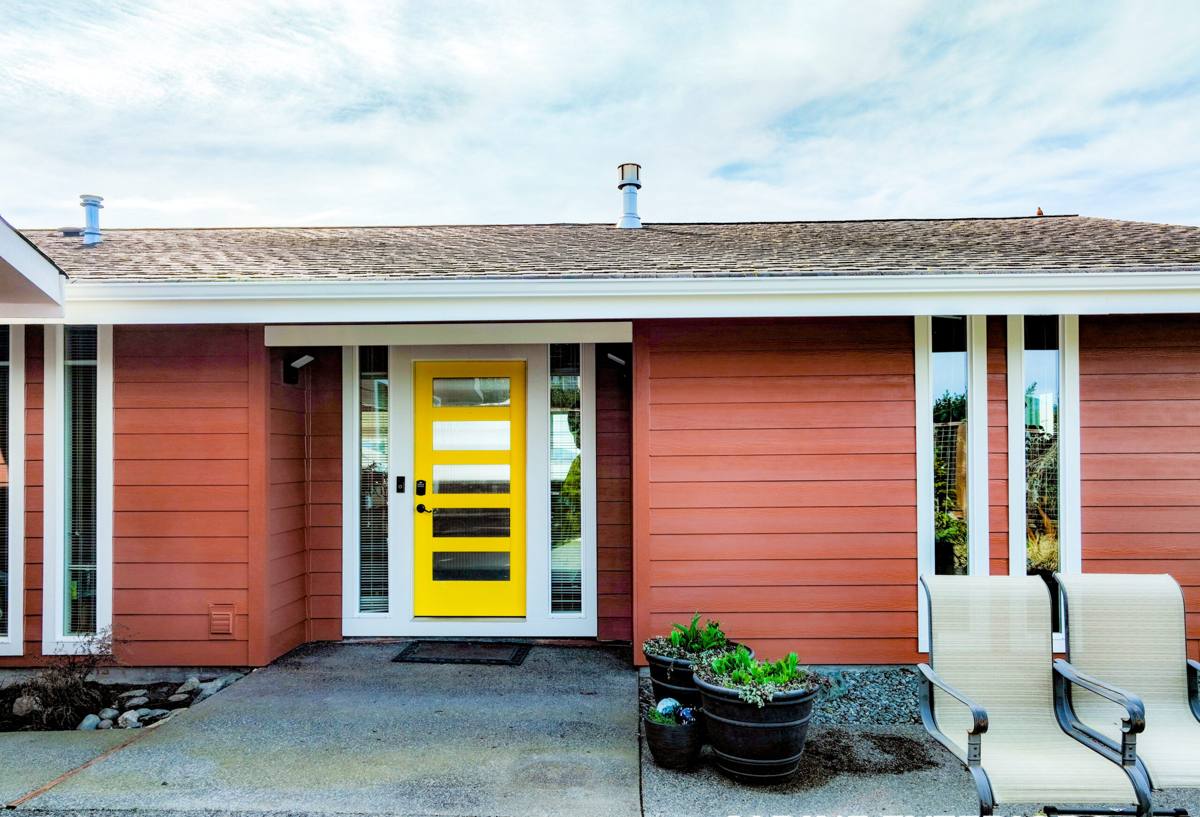
What the Marine Climate Actually Does to a Window
Three things wear out windows faster on Lummi Island than in a typical inland Whatcom County neighborhood:
Salt Air
Airborne salt is corrosive to hardware, screen frames, and unprotected metal flashing. It settles into weep holes and tracks, and over years it accelerates pitting on cheaper aluminum components and eats at fasteners that weren't rated for coastal exposure. Vinyl and fiberglass frames don't corrode, but the hardware inside them — hinges, locks, balance systems — still can if it's not spec'd for a marine environment.
Driving Rain
Wind off open water doesn't just fall — it drives sideways into siding and window openings under real pressure. A window that would stay dry on a calm inland lot can leak on Lummi Island if the flashing details, sill pan, and sealant joints weren't built to shed water under wind pressure, not just gravity. Most leaks we find in older island homes trace back to flashing shortcuts, not the window unit itself.
Moss and Sustained Moisture
Whatcom County's wet season runs long, and shaded, north-facing walls near tree cover can stay damp for months at a stretch. Moss and algae hold moisture against trim and sills longer than dry, painted wood or vinyl can tolerate, which is exactly the condition that rots wood window frames and sills from the inside out before it's visible from the yard.
Signs a Lummi Island Home Needs Window Replacement, Not Just Repair
- Soft or spongy wood at the sill or bottom corners of the frame — usually a sign rot has already started behind the trim
- Fogging or a permanent haze between glass panes, meaning the seal on the insulated glass unit has failed
- Windows that won't stay open, won't latch fully, or have visibly corroded hardware
- Drafts you can feel with a hand near the frame on a windy day, even with the window closed and locked
- Paint or finish that keeps failing in the same spot no matter how often it's touched up
- Visible daylight or gaps between the frame and the siding or trim around it
- Condensation collecting on the interior glass or sill regularly through fall and winter
Any one of these on its own might be fixable with caulking, re-glazing, or hardware repair. Several together, especially on a wall that faces the water or prevailing wind, usually mean the assembly has reached the point where replacement is the honest recommendation rather than another round of patching.
What a Correct Installation Actually Involves
The window unit itself is maybe half the job. The other half — the part homeowners rarely see once trim goes back on — is what determines whether the window is still performing in ten or fifteen years. On a site exposed the way Lummi Island is, we don't skip any of this:
Removal and Opening Inspection
Once the old window is out, we inspect the rough opening for rot, water staining, or prior flashing mistakes before anything new goes in. A brand-new window installed over a compromised opening just hides the problem for a while.
Sill Pan and Flashing
A sloped sill pan directs any water that gets past the window back outside instead of into the wall cavity. Flashing tape integrates with the home's weather-resistive barrier in the correct shingle-lap order — each layer overlapping the one below it — so water sheds down and out, never inward.
Air Sealing and Insulation
The gap between the window frame and the rough opening gets sealed with a low-expansion foam or backer rod and sealant, not stuffed with fiberglass batting. That gap is a major source of drafts and energy loss if it's left loose or overfilled.
Sealant Selection and Placement
Exterior sealant joints matter more here than inland — we use sealants rated for sustained UV and moisture exposure, applied at the joints that actually need a wet seal, while leaving the bottom of the sill unsealed on the exterior so any water that does get in can still drain back out.
Interior and Exterior Trim
Trim gets reset or replaced, caulked at the right joints, and painted or finished to match. This is also where we catch and correct any siding damage around the opening before it's closed back up.
Choosing the Right Window for an Island Property
Not every window product is a good fit for direct salt exposure. Here's how the common frame materials hold up under Lummi Island conditions specifically:
| Frame Material | Salt Air Performance | Maintenance | Best Use on Lummi Island |
|---|---|---|---|
| Vinyl | Does not corrode; consistent performance near water | Low — occasional cleaning | Most exposed, water-facing walls |
| Fiberglass | Excellent; very stable in temperature swings and salt exposure | Low | Higher-exposure homes, larger openings |
| Aluminum | Prone to pitting and corrosion unless marine-grade and well-finished | Moderate to high | Generally not our first recommendation on direct water-facing elevations |
| Wood (clad exterior) | Good if the exterior cladding is intact; bare wood degrades fast in this climate | Higher — exterior clad protects, interior wood still needs upkeep | Interior-style homes wanting a wood look, on protected elevations |
We're not going to tell you a product is "bad" in absolute terms — plenty of homes across the county use all of the above successfully. What we will tell you honestly is which one carries the least maintenance burden and the fewest moisture-related risks for a home that's catching salt spray and driving rain more directly than most. On water-facing elevations, that's almost always vinyl or fiberglass.
Glass Package Matters Too
Beyond the frame, ask about the glass package. Double-pane, low-E glass with an argon fill is the standard baseline for this climate and handles Whatcom County's temperature swings and condensation risk well. On especially exposed or noisy sites, a triple-pane or upgraded low-E coating can be worth discussing, though it adds cost that isn't always necessary for every elevation of a home.
Our Process, Start to Finish
- Free on-site estimate: We walk the exterior and interior, check each window in question, and note flashing or rot concerns before quoting anything.
- Straightforward written quote: Line-item pricing by window, materials, and labor — no vague lump sums.
- Scheduling around island logistics: Because Lummi Island is ferry-accessed, we plan material deliveries and crew days to minimize trips back and forth, so your project isn't stretched out by avoidable scheduling gaps.
- Removal and opening inspection: Old units come out, openings get inspected, and any rot or prior damage is documented and discussed with you before we proceed.
- Installation with full flashing and sealing detail: As described above — sill pan, flashing integration, air sealing, correct sealant placement.
- Trim, paint match, and cleanup: Interior and exterior finish work completed and the site left clean.
- Final walkthrough: We check operation on every window with you before calling the job done.
What Working on an Island Actually Changes About the Job
Most of the installation itself doesn't change because a home is on Lummi Island instead of the mainland side of Birch Bay — good flashing is good flashing everywhere. What does change is logistics. Ferry schedules mean crews and material deliveries have to be planned, not improvised. A contractor unfamiliar with the island can lose a full day to a missed ferry window or a last-minute supply run that has to wait for the next crossing. We plan multi-window jobs with that in mind, batching material orders and crew time so the ferry schedule works with the project instead of against it. That's a logistics problem, not a skill problem, but it's a real one, and it's part of why hiring a crew that's done this before matters as much as hiring one that installs windows correctly.
What Affects the Cost of a Window Replacement Project
| Factor | Why It Matters |
|---|---|
| Number and size of windows | Larger openings and full-home replacements have different material and labor scaling than a single-window swap |
| Frame material chosen | Fiberglass typically costs more upfront than vinyl; both save on long-term maintenance versus less suitable materials in this climate |
| Condition of the rough opening | Rot repair or structural correction found during removal adds time and material beyond the base window install |
| Access and site logistics | Ferry-dependent scheduling and site access (elevation, obstacles, second story) affect labor time |
| Trim and finish scope | Simple trim reset costs less than full exterior trim replacement or a paint-match on older siding |
| Glass package | Standard low-E double pane versus upgraded coatings or triple-pane glass changes per-unit pricing |
We'd rather walk your specific windows and give you real numbers than quote a broad range that doesn't mean much for your home. What we can say honestly is that skipping proper flashing and sill pan work to save money up front almost always costs more later in the form of rot repair — it's not a place worth cutting corners, especially on a site exposed the way Lummi Island is.
Maintaining New Windows in a Salt Air, High-Moss Climate
- Rinse salt residue off exterior frames and glass a few times a year, especially after storms
- Keep gutters and downspouts clear so runoff isn't sheeting directly across window trim
- Trim back vegetation and clear moss buildup near shaded window trim before it holds moisture against the surface
- Check exterior caulk joints annually and touch up any that have cracked or pulled away
- Operate locks and hardware periodically through the winter so moving parts don't seize from disuse and moisture
- Watch for early condensation or fogging between panes, which signals a seal issue worth addressing before it worsens
A correctly installed window with the right frame material for this climate needs relatively little upkeep — but "little" isn't "none," and a few minutes a season goes a long way against salt air and moss.
Why Hire a Crew That Already Works Lummi Island
A contractor who mostly works inland can install a technically fine window and still get the flashing detail wrong for wind-driven rain, or underestimate how fast salt air degrades the wrong hardware, or lose days to ferry logistics they didn't plan for. We work this stretch of Whatcom County regularly, which means we've already seen how these specific conditions age different products and different installation shortcuts. That's not a marketing line — it's the difference between a window that's still tight and dry in fifteen years and one that's leaking behind the trim in five.
If you're dealing with drafty, foggy, or failing windows on Lummi Island, we're happy to come take a look. The estimate is free, there's no pressure, and you'll get a straight answer about whether you need full replacement or just a targeted repair — use the form below to get started.