 Birch Bay Siding
 Metal Roofing Built for Cherry Point's Shoreline Climate
Cherry Point sits on an exposed stretch of Whatcom County shoreline along the Salish Sea, just north of Birch Bay. Homes here take a different kind of beating than houses ten miles inland. Salt-laden air moves in off the water almost constantly, wind-driven rain comes in sideways during winter storms, and the mild, wet Pacific Northwest climate keeps everything damp long enough for moss and algae to take hold on any roof that isn't shedding water fast. A roofing material that holds up fine in a drier, more sheltered part of the county can fail early out here. Metal roofing, installed correctly, is one of the few systems that genuinely stands up to this combination of salt, moisture, and moss pressure for the long haul.
This page focuses specifically on metal roofing for Cherry Point properties — what the local climate demands from the material and the installation, how we approach the work, and what to expect if you're weighing a repair, a re-roof, or new construction out here.
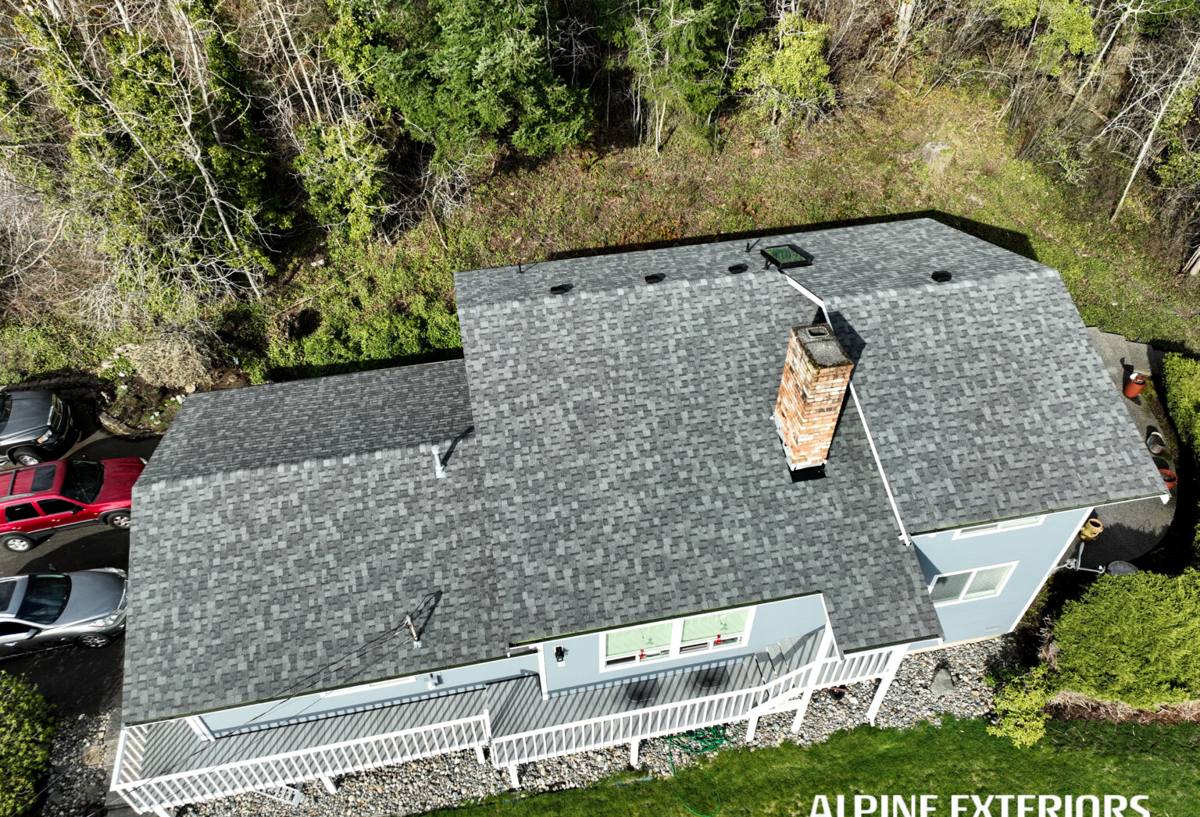
What Salt Air, Driving Rain, and Moss Season Actually Do to a Roof
Salt Air and Corrosion
Airborne salt is corrosive to exposed metal, especially at fastener heads, cut edges, and any spot where a protective coating has been scratched or worn thin. Over years, salt exposure can accelerate rust at weak points long before the rest of a roof shows its age. This is why coating quality and fastener selection matter more in Cherry Point than they would on a home set back from the water.
Driving Rain and Wind-Driven Water
Storms coming off the water don't just drop rain straight down — wind pushes it sideways and up under laps, flashing, and fastener lines that would stay dry in a calmer setting. A roof here needs details built for wind-driven water specifically: proper lap direction, sealed penetrations, and underlayment that performs even if a small amount of water gets past the surface layer.
Moss Season
Western Washington's long wet season gives moss and algae months at a time to establish themselves on any roof surface that stays damp. On asphalt shingles, moss roots into the granule surface and lifts shingle edges, trapping moisture underneath. Metal roofing gives moss and algae far less to grip, and a good standing-seam or coated panel profile sheds water fast enough that surfaces dry out between rain events — but it isn't automatically moss-proof. Roof pitch, shading from trees, and gutter maintenance still matter.
Metal Roofing Options That Make Sense for This Area
Not every metal roofing product is built the same way, and the right choice for a Cherry Point home depends on budget, roof pitch, and how close the property sits to the water. Below is how the common options compare for this specific environment.
| Option | Corrosion Resistance Here | Best Fit | Trade-Offs |
|---|---|---|---|
| Standing seam steel (coated) | Very good with quality coating and proper flashing | Most Cherry Point homes, especially near the water | Higher upfront cost than exposed-fastener panels |
| Exposed-fastener steel panels | Good, but fastener seals are the weak point over time | Budget-conscious projects, outbuildings, shops | Fasteners need periodic inspection and eventual resealing |
| Aluminum panels | Excellent — naturally corrosion resistant, doesn't rust | Properties directly exposed to salt spray | Higher material cost, fewer color/profile choices locally |
| Stone-coated steel | Good if coating and cut edges are properly sealed | Homeowners wanting a shake or tile look with metal durability | More installation detail required at cuts and edges |
For most Cherry Point properties, a quality coated steel standing-seam system offers the best balance of cost, appearance, and long-term corrosion resistance. Homes with direct water exposure or a history of fast corrosion on existing metal fixtures may be better served by aluminum, even at a higher material cost, because it removes the rust variable entirely.
Coatings and Finishes Matter More Here Than Elsewhere
A baked-on paint system with a strong warranty against chalking, fading, and coating failure is worth prioritizing in a salt-air environment. We steer away from bargain-tier coated panels in this area — not because they're unusable everywhere, but because the maintenance burden and shortened service life they create near saltwater isn't a fair trade for the upfront savings. That's a standard we apply based on how the material behaves in this specific climate, not a claim about any single manufacturer.
What a Correct Metal Roof Installation Involves
Metal roofing is unforgiving of shortcuts in a climate like this — a poorly installed metal roof can trap moisture and corrode from underneath faster than a poorly installed shingle roof would show visible damage. A correct installation for Cherry Point conditions includes:
Deck Inspection and Prep
Before any panel goes down, the roof deck gets checked for soft spots, rot, or prior water damage — common on older homes where a failing roof went unnoticed for a season or two. Any compromised sheathing gets replaced, not just covered over.
Underlayment Built for Wind-Driven Rain
We use a high-quality synthetic or self-adhered underlayment rated for the wind and moisture conditions this shoreline sees, not a minimum-grade felt that only performs in calmer weather.
Fastening and Sealant Details
Fastener spacing, type, and sealing method are matched to the panel profile and to this area's wind exposure. Exposed-fastener systems get extra attention at every penetration, since fastener seals are typically the first failure point in a salt-air setting.
Flashing at Every Transition
Valleys, chimneys, skylights, and wall transitions are where roofs actually fail, metal or not. Flashing is custom-fit and properly lapped so wind-driven rain can't work its way underneath.
Ventilation
Metal roofing performs best with proper attic and ridge ventilation. Poor ventilation traps moisture against the underside of the panels and the deck, which undercuts the corrosion resistance the metal is supposed to provide in the first place.
Our Process, Start to Finish
- On-site assessment: We walk the roof (or review it safely from access points on steep or fragile roofs) and check the deck, flashing, ventilation, and any existing moss or moisture damage.
- Honest recommendation: We tell you what the roof actually needs — full replacement, a repair, or a maintenance plan — based on real condition, not a sales script.
- Clear estimate: Material options, coating and profile choices, and a written scope so you know exactly what's included before work starts.
- Installation: Deck prep, underlayment, panel installation, and flashing detail work carried out to the standard this climate requires.
- Final walkthrough: We review the completed work with you, including how ventilation and drainage were addressed, before calling the job done.
Maintenance: What Actually Matters for a Metal Roof Out Here
A metal roof is lower-maintenance than shingles, but "low-maintenance" doesn't mean "no maintenance," especially with a long moss season and salt air in the mix. A short annual routine catches small issues before they become expensive ones.
- Clear gutters and downspouts before the fall rains start — clogged gutters back water up under roof edges
- Look for moss or algae buildup in shaded valleys or north-facing slopes and remove it before it spreads
- Check exposed fasteners for early rust or loosening, particularly after a windy winter
- Inspect flashing around chimneys, vents, and skylights for gaps or lifted seams
- Trim back overhanging branches that keep sections of the roof shaded and damp longer than the rest
- After major storms, do a quick visual check for dented panels, lifted flashing, or debris buildup
Cost Factors for a Cherry Point Metal Roof Project
Every project is different, but the main variables that move the price on a Cherry Point metal roof job are consistent: roof pitch and complexity, panel and coating choice, how much of the deck needs repair, and access difficulty on steep or waterfront lots. Aluminum and premium coated steel systems cost more upfront than basic exposed-fastener panels, but for homes directly exposed to salt spray, that upfront difference is usually smaller than the long-term cost of early corrosion repair. We walk through these trade-offs with every homeowner as part of the estimate, in plain terms, so the decision is based on your specific roof and budget rather than a generic price list.
Why It Matters to Hire a Crew That Already Works Cherry Point
Roofing crews unfamiliar with shoreline conditions sometimes apply the same detailing they'd use inland — standard fastener schedules, standard underlayment, standard flashing laps — and the roof underperforms because the wind and moisture load here is genuinely different. A crew that regularly works Cherry Point and the wider Birch Bay area already accounts for the salt exposure, the wind direction storms typically come from, and how long moss season really runs in a given year. That local pattern recognition is the difference between a metal roof that looks right at installation and one that actually performs for its full expected lifespan in this specific environment.
Get a Straightforward, No-Pressure Estimate
Whether you're dealing with an aging roof that's starting to show moss and rust, planning a new build, or just want an honest read on whether metal roofing is the right call for your Cherry Point property, we're glad to take a look. Use the form below to request a free estimate — no pressure, no obligation, just a straight answer about what your roof actually needs.