 Birch Bay Siding
 Cottonwood Beach Windows Work Harder Than Most
Cottonwood Beach sits close enough to the water that its windows deal with a different set of stresses than a house a few miles inland in Whatcom County. Salt-laden air corrodes hardware and dulls finishes faster. Wind-driven rain off Birch Bay finds gaps that would never leak on a calmer site. And the long, wet moss season here keeps wood trim, sills, and cladding damp for months at a stretch. None of that means windows in this neighborhood need to be exotic or overbuilt — it means they need to be chosen and installed with those specific conditions in mind, not treated like a generic big-box swap.
A window that performs fine in a sheltered subdivision can fail early on a home exposed to Birch Bay's open water views and prevailing wind. That's the gap we focus on closing: matching the window, the flashing detail, and the installation sequence to what this particular stretch of coastline actually throws at a house.
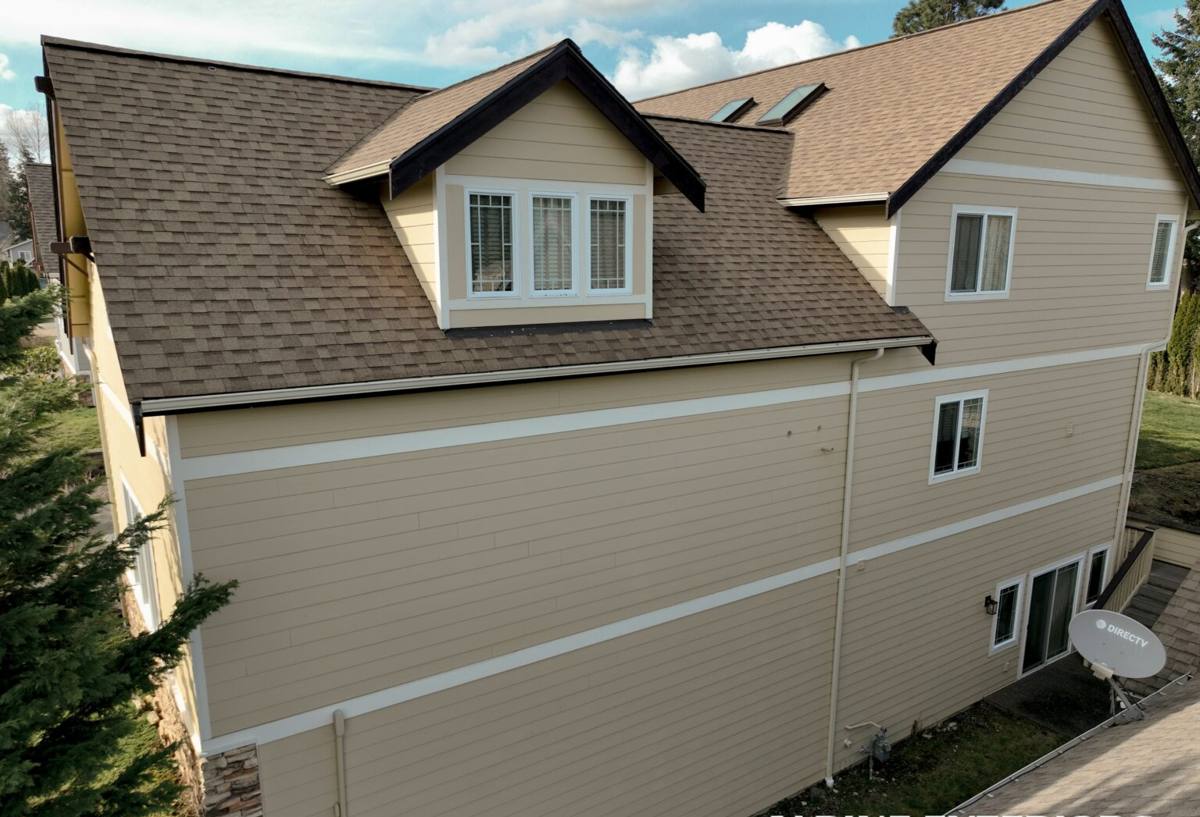
What "Custom" Means in Practice Here
Custom windows aren't just about size or shape, though that matters — a lot of Cottonwood Beach homes have older, non-standard rough openings that off-the-shelf replacement sashes don't fit cleanly. Custom also means:
- Matching frame depth and jamb extensions to your actual wall assembly instead of forcing a standard unit to fit
- Choosing glass packages based on which elevation of the house faces the water and prevailing wind
- Selecting hardware finishes rated for coastal exposure rather than standard interior-grade hardware
- Detailing flashing and sealant joints for wind-driven rain, not just static rainfall
On a lot of jobs here, the "custom" part is less about looks and more about correcting how a previous window was installed. We see openings where the flashing was an afterthought, or where trim was caulked shut instead of properly weeped — both of which set a home up for slow water intrusion that isn't obvious until there's already damage behind the wall.
New Construction vs. Replacement
New construction windows have a nailing fin and get integrated into the wall's water-resistive barrier during the build — that's the strongest, most weathertight setup, but it requires removing siding around the opening. Replacement (or "retrofit") windows fit inside the existing frame and are the more common choice for occupied homes, since they don't disturb siding. Retrofit windows can perform just as well on a home like this, but only if the existing frame is dry and sound first — installing a new window into a rotten or already-wet opening just seals the problem in.
Frame Material: What Actually Holds Up Near the Water
There's no single "best" frame material for coastal Whatcom County — each one is a trade-off between upfront cost, maintenance, and how it ages in salt air and constant moisture. Here's how the common options compare for a Cottonwood Beach installation:
| Material | Coastal Durability | Maintenance | Typical Cost Position |
|---|---|---|---|
| Vinyl | Good — won't corrode or rot, but can become brittle over decades of UV and salt exposure | Low — occasional cleaning | Budget to mid |
| Fiberglass | Excellent — dimensionally stable, resists salt and moisture very well | Low | Mid to upper |
| Wood-clad | Good on the exterior clad face, but the wood interior needs the seal maintained | Moderate to high | Upper |
| Aluminum | Fair — conducts cold and can corrode at fasteners unless properly finished | Moderate | Budget to mid |
We lean toward vinyl or fiberglass for most Cottonwood Beach homes because they hold up to salt air with the least upkeep. Wood-clad is a legitimate choice for homeowners who want a specific interior wood look, but it's an honest maintenance commitment in this climate — we'll tell you that plainly rather than oversell it.
Flashing and Water Management — Where Failures Actually Start
Almost every window "failure" we get called out to inspect isn't a bad window — it's a flashing or sealant failure around a perfectly good one. Driving rain off the bay doesn't fall straight down; it hits the wall at an angle and gets pushed into any gap around a window opening. Correct installation accounts for that by:
- Using a sloped sill pan so any water that gets behind the window drains back out, instead of pooling on the framing
- Integrating flashing tape with the house wrap in the correct shingle-lap order (top piece overlaps the one below it, always)
- Leaving a weep path at the bottom of the frame so trapped moisture has somewhere to go
- Using sealant as a backup to good flashing, never as a substitute for it
Caulk-only fixes are common on older homes here and they buy a season or two at best. Once the bead cracks or shrinks — which happens faster in a marine climate — water gets behind the trim with no drainage path, and that's when sheathing and framing start to rot out of sight.
Moss, Mildew, and the Shade Problem
Birch Bay's long moss season isn't just a roof issue. Shaded window sills, wood trim, and lower sashes on north-facing walls stay damp for extended stretches, and that dampness is exactly what moss and mildew need to take hold. On original wood trim, that means ongoing paint failure and slow rot at the sill — the lowest point on any window is where water naturally collects, so it's also the first place to show damage. We address this with:
- Composite or PVC trim in shaded, moisture-prone locations instead of solid wood
- Back-priming and sealing any wood trim that stays
- Sill design that sheds water away from the wall rather than letting it sit
If you're already seeing green growth building up on window trim or noticing paint bubbling near the sill, that's a useful early warning sign worth acting on before it becomes a bigger repair.
Glass and Energy Performance in a Marine Climate
Whatcom County's marine climate means mild temperatures but high humidity and near-constant moisture in the air — different from the dry-cold performance problems windows face further inland. For Cottonwood Beach homes, we typically focus on:
- Low-E coatings to manage heat loss and glare off the water without darkening the view
- Double-pane glass as a solid baseline for most rooms; triple-pane where a home faces directly into prevailing wind and rain, or where road or wind noise is a factor
- Condensation resistance — a real consideration in a climate this humid, since poorly performing glass can fog or sweat on the interior in cold, damp stretches
Triple-pane isn't automatically "better" for every window on every wall — it adds weight and cost, and on a sheltered elevation the difference in comfort may not justify it. We'll walk your specific home's exposure with you rather than defaulting to the most expensive option.
Our Installation Process
- On-site assessment — we look at existing frames, flashing condition, and any signs of moisture damage before recommending anything
- Measuring and ordering — custom sizing to your actual openings, not standard stock sizes
- Removal — old sashes or frames come out carefully, and we inspect the framing underneath for rot or hidden damage before installing anything new
- Flashing and sealing — proper sill pan, shingle-lapped flashing tape, and weep paths, every time
- Setting and shimming — the new window is leveled, plumbed, and shimmed so it operates smoothly and seals evenly
- Insulating and trimming — low-expansion foam around the frame, then interior and exterior trim finished to match your home
- Final check — operation, seal, and cleanup before we consider the job done
If we find rot or moisture damage in the framing once an old window comes out, we stop and address that first. Installing a new window into a compromised opening just hides the problem behind new trim.
Signs Your Current Windows Need Attention
Not every issue means a full replacement, but these are worth a professional look, especially on a home this close to the water:
- Fogging or moisture between panes (a sign the seal has failed)
- Difficulty opening, closing, or locking that wasn't there before
- Visible gaps, soft spots, or discoloration around the frame or sill
- Moss or dark staining building up on trim, especially on shaded walls
- Noticeable drafts or a cold spot near the window even when it's closed
- Paint that keeps bubbling or peeling in the same spot no matter how often it's touched up
Cost Factors Worth Understanding
Window pricing varies a lot based on size, material, and site conditions, so we won't quote a number without seeing the home. What actually moves the price on a Cottonwood Beach job:
| Factor | Why It Matters Here |
|---|---|
| Frame material | Fiberglass and wood-clad cost more upfront than vinyl but may cost less over time in maintenance |
| New construction vs. retrofit | New construction requires siding removal and reflashing, adding labor |
| Existing damage | Rot or moisture damage found during removal adds repair scope before the new window goes in |
| Glass package | Triple-pane and specialty coatings cost more but may be worth it on wind- and rain-exposed elevations |
| Number of openings | Doing multiple windows in one visit typically costs less per window than one-off replacements |
Why Hiring a Crew That Already Works This Area Matters
Window installation done wrong doesn't usually show up as a problem on day one — it shows up two or three wet seasons later, as rot in the wall behind a window that looked fine when it went in. A crew that already works Birch Bay and Cottonwood Beach has seen how flashing details, trim choices, and frame materials actually hold up here over time, not just how they're rated on paper. That matters more on a coastline like this than it does in a lot of other parts of the county, simply because the conditions are less forgiving of shortcuts.
We'd rather walk your home, tell you honestly what your windows need and what they don't, and give you a straightforward estimate than push a package that doesn't fit your house. If you're dealing with drafts, fogged glass, moss buildup around trim, or you're just planning ahead for a home this close to the water, we're happy to take a look and put together a free, no-pressure estimate — the form below is the easiest way to get started.