 Birch Bay Siding
 Windows Built for Terrell Creek's Shoreline Climate
Terrell Creek sits close enough to Birch Bay's shoreline that homes here take a steady beating from three things at once: salty marine air drifting off the water, wind-driven rain that hits windows sideways instead of straight down, and a shaded, damp growing season that keeps moss and algae going for most of the year. Windows in this pocket of Whatcom County don't fail because homeowners neglect them. They fail because most windows on the market were never engineered for this specific combination of exposure.
A custom window job here isn't about picking the biggest showroom option and hoping it holds up. It's about matching frame material, glazing, and installation detail to what this particular stretch of coastline actually does to a house over a Pacific Northwest winter, spring, and everything in between.
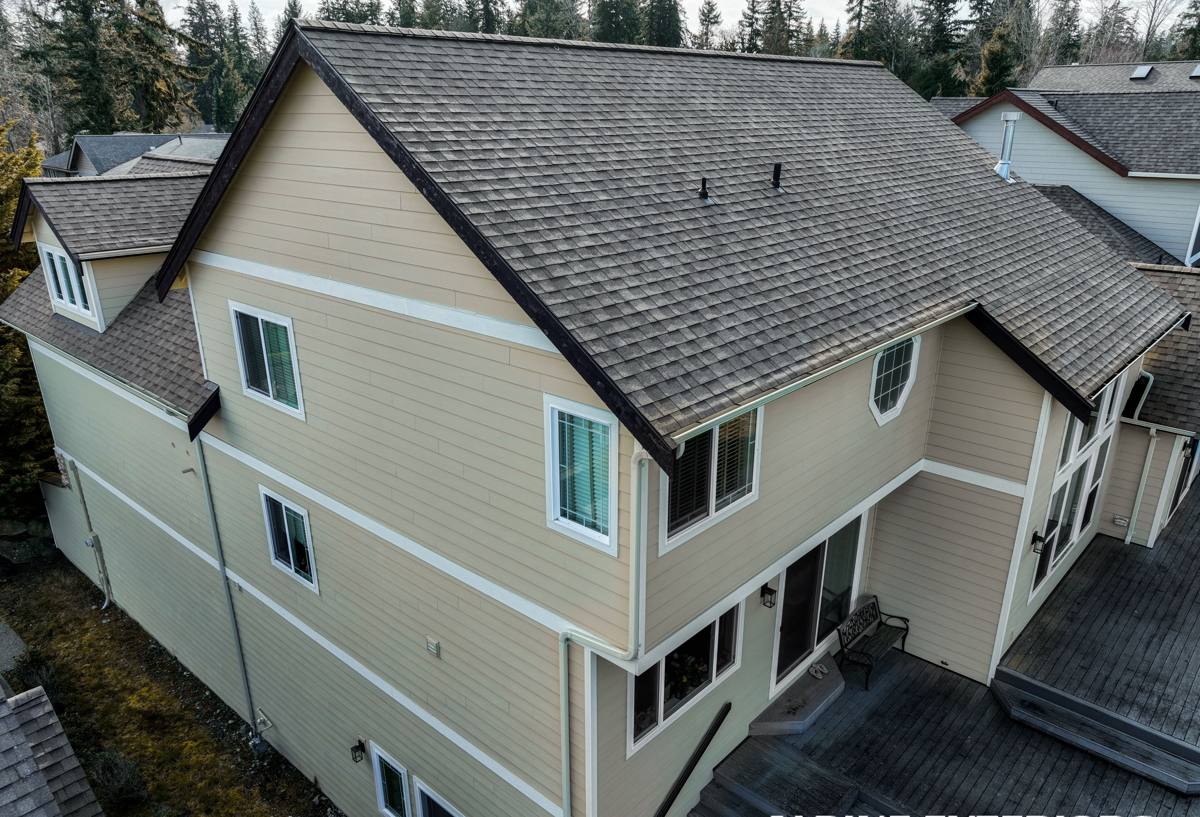
What Salt Air, Driving Rain, and Moss Season Do to Windows
Salt Air and Corrosion
Airborne salt is corrosive to bare or poorly coated metal hardware, fasteners, and cladding. Over years, it pits aluminum, eats through cheap coatings, and turns window latches and rollers stiff or crumbly long before the glass itself gives out. It also accelerates the breakdown of sealants that weren't rated for marine exposure, which is usually the first real sign of trouble — a bead of caulk that looks fine from the driveway but has already lost its grip underneath.
Driving Rain and Water Intrusion
Birch Bay gets its share of storms that push rain nearly horizontal against west- and southwest-facing walls. A window that would be perfectly watertight in a calmer inland setting can still take on water here if the flashing, sill pan, or sealant detail isn't built for wind-driven rain specifically. Once water gets behind the trim, it doesn't dry out — it sits, and that's how rot starts in framing nobody sees until a wall or sill is already soft.
Moss, Shade, and Trapped Moisture
Mature trees and coastal humidity keep a lot of Terrell Creek properties shaded and damp much of the year. Moss and algae take hold on sills, tracks, and exterior trim, holding moisture against the window frame long after the rain has stopped. On wood or lower-grade composite frames, that constant damp cycle is what quietly rots a sill from the outside in, usually starting at the corners where water collects.
What a Correct Window Installation Actually Involves
A window replacement is only as good as the parts nobody photographs. The visible frame and glass matter, but the flashing, sealing, and integration with the existing wall assembly are what actually keep water out for the next twenty or thirty years. On a coastal property like this, that means:
- Removing old units carefully enough to inspect the rough opening and framing underneath for hidden rot or prior water damage before anything new goes in
- Installing a proper sill pan and flashing sequence so any water that does get past the exterior surface drains back out instead of pooling
- Sealing with products rated for the temperature swings and UV exposure this area sees, not generic interior-grade caulk
- Matching insulation and air-sealing around the frame so the window doesn't become a cold spot that fogs or condenses in winter
- Setting hardware and cladding that resist salt-air corrosion rather than just looking good on install day
Skip any one of these steps and the window can look correct for a year or two while a moisture problem builds behind the trim where nobody's checking.
Choosing the Right Frame Material for This Area
There's no single "best" window material for every house — it depends on sun exposure, how close the home sits to the water, and how much upkeep an owner wants to take on. Here's how the common options actually perform in a Terrell Creek setting:
| Frame Material | How It Handles Salt Air & Rain | Maintenance |
|---|---|---|
| Vinyl | Doesn't corrode; performs well in salt air; can flex slightly in big temperature swings | Low — occasional cleaning, no repainting |
| Fiberglass | Very stable in temperature and moisture; strong track record in coastal exposure | Low to moderate |
| Aluminum | Prone to pitting and corrosion near salt air unless heavily coated; conducts cold | Moderate — coatings need monitoring |
| Wood / Wood-clad | Handles rain poorly if cladding or seals fail; most vulnerable to moss-driven rot at the sill | High — regular sealing and inspection |
We generally steer coastal Whatcom County clients toward vinyl or fiberglass for this reason — not because wood or aluminum windows are bad products, but because the maintenance schedule needed to keep them watertight in this climate is steeper than most homeowners want to sign up for.
Our Process for Terrell Creek Homes
- On-site assessment — we look at sun and wind exposure on each elevation of the house, check existing sills and framing for early rot or moisture staining, and talk through what's actually failing versus what's just cosmetic wear.
- Measuring and product selection — every opening is measured individually; older homes in this area are rarely perfectly square, and custom sizing avoids the gaps and shim-heavy installs that cause leaks later.
- Prep and removal — old units come out carefully so we can inspect the rough opening before anything new goes in, catching hidden damage while it's still cheap to fix.
- Flashing and sealing — sill pans, flashing, and sealants are installed to shed wind-driven rain, not just block a straight-down drizzle.
- Final fit and function check — every window is tested for smooth operation, tight seal, and proper drainage before we call the job done.
- Cleanup and walkthrough — we walk the job with the homeowner, point out any maintenance items specific to their exposure, and answer questions before we leave.
Signs Your Current Windows Are Losing the Battle
Most window failures in this area give warning signs well before glass cracks or a frame fully fails. Worth checking for:
- Fogging or condensation between panes, which means the seal has already failed
- Soft or discolored wood at the sill or bottom corners of the frame
- Moss or algae buildup that keeps returning within weeks of cleaning
- Drafts or a noticeable temperature difference near the window in winter
- Hardware — latches, cranks, rollers — that's stiff, corroded, or won't fully lock
- Visible gaps between the frame and exterior siding or trim
- Paint or finish that's bubbling or peeling specifically around the window, not the whole wall
One or two of these on their own might just mean a caulking touch-up. Several together, especially on the same elevation, usually point to a window that's on its way out.
What Influences Cost
Every Terrell Creek property is different, but a few factors consistently move the price of a window job up or down more than homeowners expect:
| Factor | Why It Matters |
|---|---|
| Frame material chosen | Vinyl, fiberglass, and clad options have different material costs and lifespans |
| Retrofit vs. full-frame replacement | Full-frame work costs more upfront but is often necessary if there's hidden rot or the opening needs correction |
| Number and size of openings | Larger or custom-shaped windows and bulk replacements change per-unit pricing |
| Existing damage found during removal | Rot repair to framing or sheathing, if discovered, is additional but far cheaper to address now than later |
| Access and elevation | Second-story or hard-to-reach windows can add labor time |
We give straightforward, itemized numbers rather than a single vague quote, so homeowners can see exactly what's driving the total.
Why a Local Terrell Creek Crew Matters
A crew that already works this specific stretch of Birch Bay knows things a general contractor coming from out of the area simply hasn't had reason to learn — which elevations catch the worst of the driving rain, how fast moss builds back on a shaded sill here versus a sunnier lot a mile inland, and what the salt exposure realistically does to hardware over five or ten years, not just on install day. That local pattern recognition shows up in small decisions: which sealant to use, how much drainage capacity to build into a sill pan, which frame material actually earns its keep on this particular property. It's also simpler logistically — a local crew can get back out quickly for a warranty check or follow-up without a long drive eating into the visit.
Keeping New Windows Performing Long-Term
New windows installed correctly should need very little from a homeowner, but a little seasonal attention goes a long way in this climate. Rinse salt residue off frames and glass periodically, especially after storms. Keep sills and tracks clear of moss and debris so water has somewhere to drain. Check weep holes on the exterior aren't blocked by dirt or growth. And take a look at caulking and sealant lines once a year — catching a small gap before winter storms is a lot easier than dealing with water damage after.
If you're weighing whether it's time to replace windows at a Terrell Creek property, or just want a straight answer on what condition yours are actually in, we're happy to take a look. Use the form below to request a free, no-pressure estimate — no obligation, just an honest read on what your home needs.