 Birch Bay Siding
 Why Ferndale Windows Have to Work Harder Than the Brochure Suggests
Ferndale sits close enough to the water that salt air is a fact of daily life, not an occasional nuisance. Add Whatcom County's long stretch of driving rain each fall and winter, plus a moss season that seems to start earlier every year, and you've got a climate that tests window seals, frames, and glazing in ways that drier inland markets never see. A window that's rated "energy efficient" on a spec sheet from a big-box store was tested under lab conditions, not against wind-driven rain hitting a west-facing wall for six months straight.
For homeowners in this area, energy-efficient windows aren't just about a lower electric bill, though that matters. They're about keeping moisture out of the wall cavity, keeping frames from swelling or rotting, and keeping the house comfortable without the furnace or heat pump running constantly to fight drafts. When we talk about window work in Ferndale, we're talking about all three of those things together — not just U-factor numbers on a sticker.
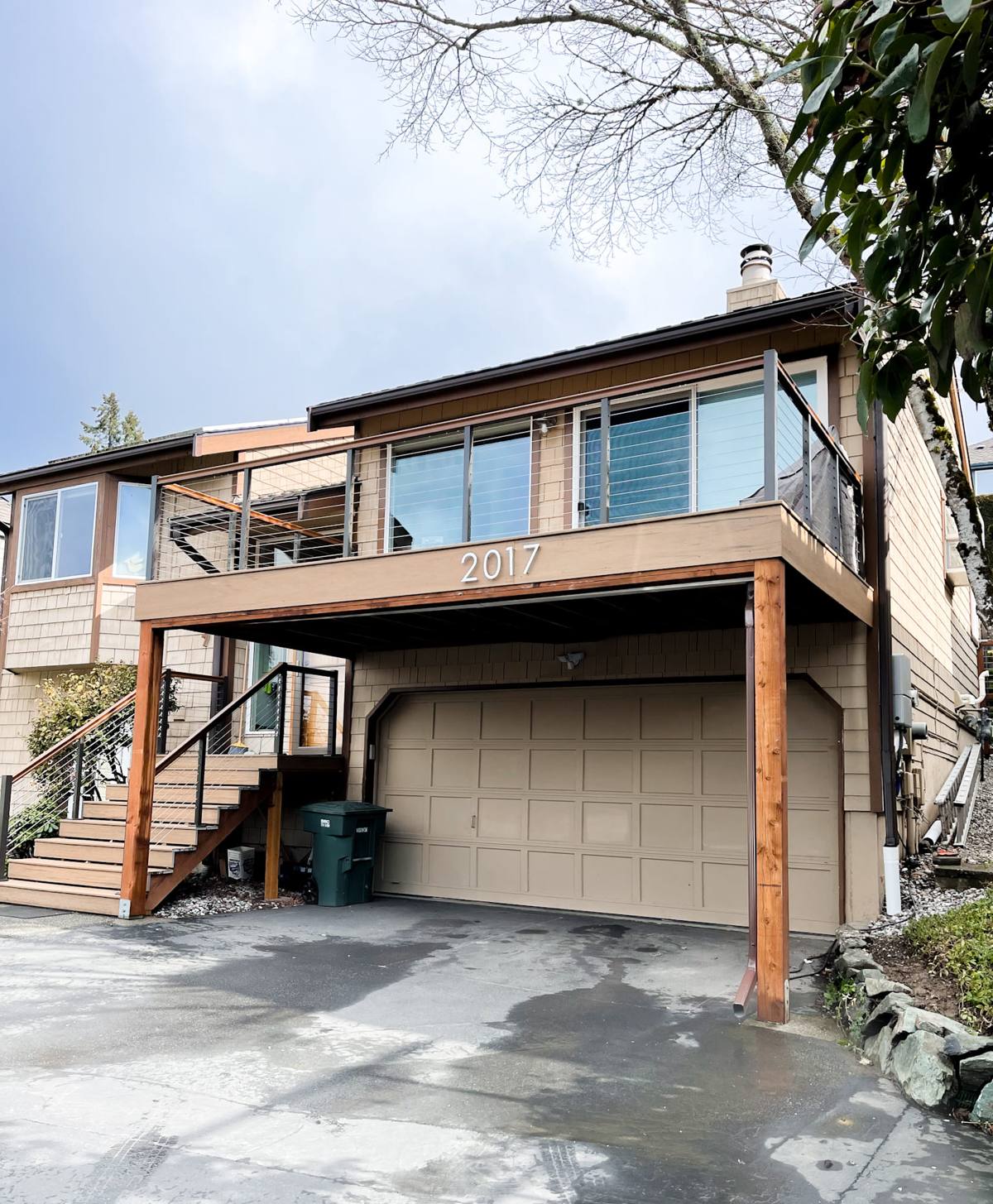
What "Energy-Efficient" Actually Means for a Whatcom County Home
Energy efficiency in a window comes down to how well it stops three things from moving through it: heat, air, and moisture. All three matter here, but moisture management often gets less attention than it deserves — and it's usually what determines whether a window installation lasts 10 years or 30.
Frame Materials That Hold Up to Salt Air and Rain
Vinyl and fiberglass frames are the most common choices we install in this region, and for good reason. Both resist the slow corrosion that salt-laden air causes in bare aluminum frames over time, and both handle repeated wetting and drying without warping the way untreated wood can. Fiberglass tends to hold its shape better across temperature swings and carries a bit more strength for larger openings, which makes it a solid choice for bigger picture windows or sliders. Vinyl is generally the more budget-friendly option and performs well for most standard window openings when it's installed correctly. Wood-clad windows still have a place for homeowners who want that look, but they demand more attention to flashing and finish maintenance in a climate this wet — that's a trade-off worth discussing honestly before you commit to one.
Glass Packages and What They Actually Do
Most of the efficiency gain in a modern window comes from the glass, not just the frame. Double-pane windows with a low-E coating and argon gas fill are the baseline we'd recommend for almost any Ferndale home — they cut heat loss significantly compared to older single-pane or basic double-pane units. Triple-pane glass adds another layer of insulation and can be worth it for north- or west-facing rooms that take the brunt of winter storms, though it comes at a higher cost and added weight that some older frames and openings can't accommodate without reinforcement. Low-E coatings also block a good portion of UV light, which helps protect flooring and furniture from fading — a smaller benefit, but a real one.
Signs Your Ferndale Home's Windows Are Costing You Money
Homeowners often wait until a window is visibly failing before calling anyone, but by then you may already be dealing with water damage inside the wall. A few signs worth acting on sooner rather than later:
- Condensation forming between the panes (a sign the seal has failed and the insulating gas is gone)
- Visible fogging or a permanent haze on the glass that won't wipe away
- Drafts you can feel near the frame even when the window is fully latched
- Wood trim or sills that feel soft, discolored, or have visible mold or mildew
- Difficulty opening, closing, or locking a window that used to operate smoothly
- Noticeably higher heating bills compared to similar-sized homes nearby
- Moss or dark streaking on the exterior trim directly around the window frame
Any one of these can be a minor fix. Several of them together usually mean the window's ability to shed water and hold a seal has broken down, and that's the point where waiting starts to cost more than replacing.
What a Correct Installation Involves — and What Gets Skipped
The window unit itself only accounts for part of how well it performs. Installation quality is what determines whether that window actually keeps water and air out for the next couple of decades, especially in a climate that sends rain sideways for days at a time.
| Step | Done Correctly | Common Shortcut |
|---|---|---|
| Old window removal | Full inspection of the rough opening and sheathing for hidden rot before proceeding | New unit installed over existing damage without checking underneath |
| Flashing | Proper weather-resistant barrier and flashing tape integrated with the wall's drainage plane | Caulk used alone as the primary water barrier |
| Air sealing | Low-expansion foam or backer rod around the full perimeter, sized to the gap | Gaps left unsealed or overpacked with foam that bows the frame |
| Leveling and shimming | Unit shimmed plumb, level, and square before fastening | Fastened quickly without checking for square, causing operation issues later |
| Exterior trim and sealant | Paintable, weather-rated sealant applied at the correct joints only | Sealant applied everywhere, trapping moisture that should drain out |
That last row trips up a lot of DIY and lower-bid installs. Sealing every joint on a window sounds thorough, but it can trap water that's supposed to drain out through the weep holes at the bottom of the frame — which then sits against the wood and causes the exact rot the window was supposed to prevent.
Our Process, From Estimate to Final Walkthrough
We keep the process straightforward because most homeowners just want to know what's happening and when.
- On-site assessment. We look at each window individually — condition, orientation, exposure to wind-driven rain, and any signs of existing moisture damage — rather than quoting a blanket price for the whole house.
- Honest recommendation. We'll tell you which windows genuinely need replacement now, which can wait, and which just need resealing or minor repair. Not every window needs full replacement.
- Written estimate. Clear pricing by window, material, and glass package, with no surprise add-ons buried in fine print.
- Removal and inspection. Old units come out carefully so we can check the framing and sheathing underneath before anything new goes in.
- Installation. Proper flashing, air sealing, and leveling as outlined above — done to hold up against this area's weather, not just to pass a quick visual check.
- Final walkthrough. We test operation, check seals, and walk you through anything you should know about care going forward.
Comparing Window Options for a Ferndale Home
| Option | Best For | Trade-Off |
|---|---|---|
| Vinyl, double-pane, low-E/argon | Most standard replacements; budget-conscious projects | Slightly lower insulating value than triple-pane |
| Fiberglass, double-pane, low-E/argon | Larger openings, sliders, high-exposure walls | Higher upfront cost than vinyl |
| Triple-pane (vinyl or fiberglass) | North/west-facing rooms, homes near open water exposure | Added cost and weight; not always needed on sheltered walls |
| Wood-clad | Homeowners prioritizing a specific traditional look | More maintenance and moisture sensitivity in this climate |
Why It Matters That We Already Work in This Area
Whatcom County's coastal exposure isn't uniform — a wall that catches wind off Birch Bay directly behaves differently than one tucked behind other structures a few blocks inland. Crews who install windows across a range of climates don't always adjust their approach for that kind of local variation. Working in and around Ferndale regularly means we've seen how salt air affects hardware finishes over time, how moss establishes itself on north-facing trim, and which details of an installation actually hold up through a full Whatcom County winter versus which ones look fine on install day and fail two years later. That's not something you can fully substitute with a product warranty — it comes from doing the work here, repeatedly, and paying attention to what happens after the truck leaves.
Caring for New Windows Once They're In
Energy-efficient windows still need a bit of upkeep to perform the way they're supposed to, especially in a climate this wet.
- Clean weep holes at the base of the frame periodically so water can drain instead of pooling
- Rinse salt residue off exterior frames and hardware a few times a year, especially after storms
- Check and refresh exterior caulking at trim joints (not weep holes) every couple of years
- Remove moss or algae buildup on nearby trim promptly so it doesn't hold moisture against the wall
- Operate locks and hardware periodically through the year to keep mechanisms from sticking
- Watch for any soft spots in interior sills or trim, which can signal a seal starting to fail
Getting Started
If your windows are drafty, fogging, sticking, or just older than they should be for a home in this climate, it's worth having someone take an honest look before winter rain settles in for good. We offer free, no-pressure estimates for Ferndale homeowners — use the form below to get one scheduled.