 Birch Bay Siding
 Point Whitehorn sits along one of the more exposed stretches of shoreline near Birch Bay, where wooded bluffs meet open water and homes take a steady combination of marine air, wind, and shade. It's a beautiful place to live and a demanding place to keep a house dry. Siding here has to do more than look good — it has to hold up to salt-laden air coming off the water, driving rain that doesn't fall straight down, and a moss season that can stretch across most of the year on shaded walls tucked under the tree canopy that defines much of this area.
We install James Hardie fiber cement siding for homes in Point Whitehorn and the surrounding Birch Bay area, and only James Hardie. That's a professional standard, not a sales pitch, and it comes from watching how different siding materials actually perform on this stretch of Whatcom County coastline over years, not just how they look on installation day.
What Point Whitehorn's Climate Does to Siding
Salt Air and Corrosion
Being close to the water means Point Whitehorn homes deal with more airborne salt than properties set back further inland. Salt accelerates corrosion on fasteners, flashing, and any hardware with a weak or inconsistent finish, and it can break down lower-grade coatings faster than a drier climate would. On this stretch of coastline, the material choice and the fastener choice both need to account for that corrosion risk from the start, not get addressed after problems show up.
Driving Rain Off the Water
Waterfront exposure also means wind, and wind-driven rain doesn't behave like a normal storm. It gets pushed sideways into siding laps, trim joints, and anywhere a wall assembly has a gap. A siding system that performs fine in a sheltered, inland yard can fail here specifically because water is finding its way in horizontally, not just running down the face of the wall the way it's assumed to. Bluff-top and water-facing homes in Point Whitehorn get this kind of exposure more directly than homes tucked further back from the shoreline.
Shade, Tree Cover, and a Long Moss Season
A lot of Point Whitehorn is wooded, and that tree cover brings shade, which brings moisture that lingers instead of drying out between rains. Combined with generally mild temperatures, that's a recipe for a moss and mildew season that can run most of the year on north-facing or heavily shaded walls. Siding that's even slightly porous, or that holds moisture against its own surface, becomes a growth surface over time in conditions like these. It's one of the clearest differences between siding decisions that hold up here and siding decisions that don't.
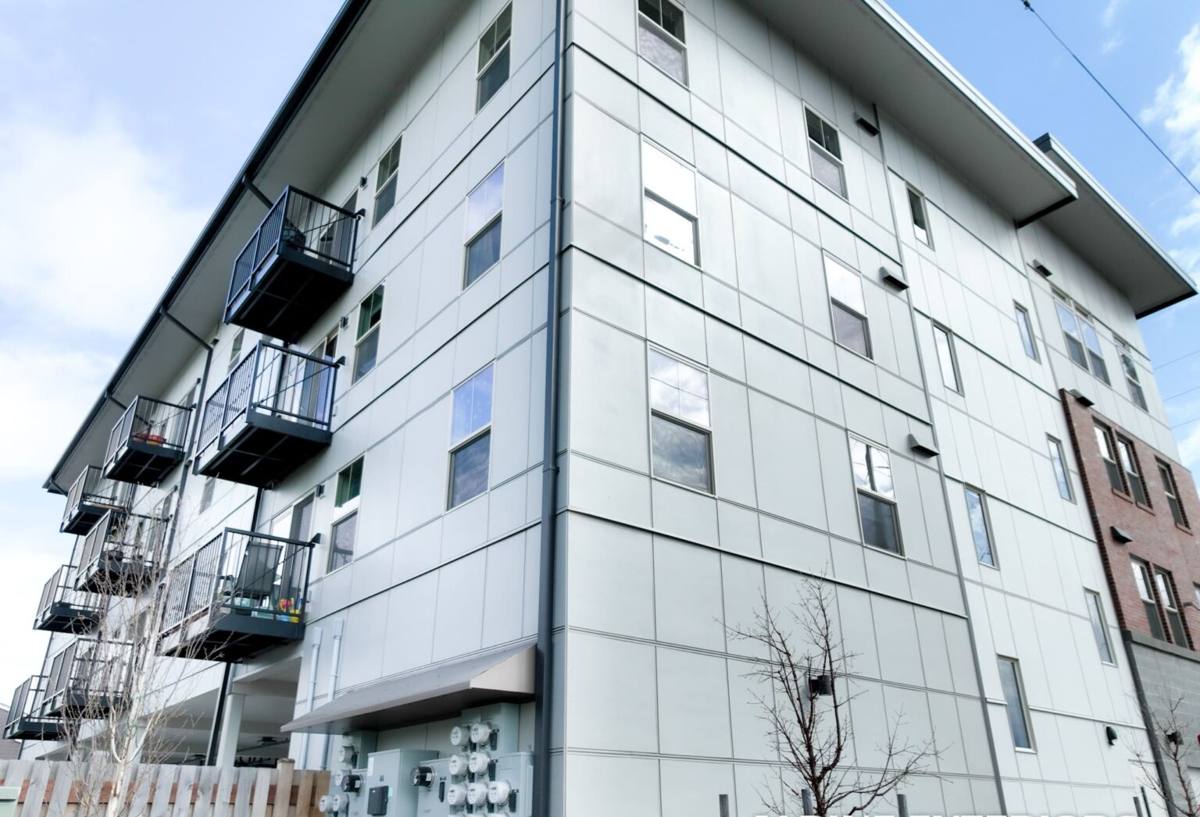
Why James Hardie Is the Only Siding We Install
We used to work with a wider range of siding products. We stopped because of what we consistently saw on service calls and tear-offs in exactly this kind of climate — salt exposure, sustained moisture, and heavy shade-driven moss growth. Fiber cement, specifically James Hardie's engineered lines, held up in ways other materials didn't.
- Non-combustible core: Fiber cement doesn't feed a fire the way wood-based siding products can, which matters for both safety and, in many cases, insurance considerations.
- Factory-applied ColorPlus finish: The color is baked on under controlled factory conditions rather than applied on-site, which holds up longer against fading, chalking, and moisture intrusion than field-applied paint.
- Climate-engineered HZ product lines: Hardie's HZ5 formulation is built for regions with heavy moisture exposure and freeze-thaw cycling, which describes Point Whitehorn's shoreline conditions well.
- Dimensional stability: Fiber cement doesn't swell, warp, or cup the way engineered wood siding can after repeated exposure to a wet season.
- Strong transferable warranty: Hardie backs the product with one of the more substantial warranty structures in the siding industry, provided the installation follows their published specifications.
We don't install LP SmartSide, vinyl siding, Cemplank, Allura, primed spruce, or cedar. Each of those products has a legitimate place in the market and homeowners elsewhere who are satisfied with them. On a shoreline exposure like Point Whitehorn, though, we've made a professional decision that we'd rather install one system we fully stand behind than offer a cheaper alternative that quietly shifts long-term maintenance risk onto the homeowner.
What a Correct Fiber Cement Installation Requires
James Hardie siding only performs the way it's designed to when it's installed to Hardie's published specifications, and that matters more in a demanding climate like this one than it does somewhere calmer. A quality product installed loosely will still develop moisture problems here.
Fastening and Clearances
Correct fastener type, spacing, and depth aren't optional details — they're what keeps panels secure against wind load and prevents the small gaps where water works its way behind the siding. Proper clearance from grade, roof lines, and decks also matters more on a shaded, damp lot, since standing moisture at those transition points is exactly where rot and moss get started.
Flashing and Drainage
Every penetration, window, door, and roof-to-wall transition needs flashing that's correctly lapped and sequenced so water sheds outward instead of pooling or working its way behind the cladding. On homes with more direct wind-driven rain exposure, we also look at whether a rain-screen or drainage gap behind the siding makes sense, giving any moisture that does get past the outer layer a way to drain and dry instead of sitting against the wall assembly.
Joints and Finish
Factory-mitered corners and properly caulked or sealed joints matter for both appearance and performance. Open or poorly sealed joints are a direct entry point for wind-driven rain, and on a heavily shaded property they're also where moss and mildew tend to establish first.
Our Process for Point Whitehorn Siding Projects
- On-site assessment — we walk the exterior, check the current siding's condition, and look specifically at how moisture and shade have affected different walls of the home.
- Honest scope and recommendation — a clear plan for what's needed, including any repair to sheathing or framing found during the assessment, explained in plain terms.
- Written estimate — a defined scope of work and cost before anything is scheduled, with no surprise add-ons once work begins.
- Tear-off and prep — removal of the existing siding, inspection of the wall assembly underneath, and correction of any moisture damage or drainage issues before new siding goes on.
- Hardie installation — panels installed to manufacturer specification, with fastening, flashing, and joint detail built for this specific site's sun, shade, and wind exposure.
- Final walkthrough — a review of the finished work together, so you know what was done and what to watch for going forward.
Cost Factors on a Point Whitehorn Siding Project
| Factor | What Drives the Cost |
|---|---|
| Home size and wall complexity | More square footage and more corners, gables, or dormers mean more material and labor |
| Existing wall condition | Rot or moisture damage found during tear-off adds repair work before new siding goes on |
| Siding profile and finish | Lap width, texture, and ColorPlus color selection affect material pricing |
| Site access and exposure | Bluff-top or heavily wooded lots can add setup time and require extra care around landscaping |
| Drainage detailing | Adding a rain-screen gap on high wind-exposure walls adds labor but improves long-term performance |
| Trim and accessory work | Window and door trim, fascia, and corner detailing scope in or out depending on the project |
We won't quote a number without seeing the house in person. Every one of those factors plays out differently depending on which wall of a Point Whitehorn home is being resided and how it's exposed to sun, shade, and wind, so we'd rather walk the property with you first.
Living With Fiber Cement Through Moss Season
James Hardie siding is far lower-maintenance than wood-based alternatives, but no siding in a climate like this one is entirely maintenance-free. A little seasonal attention goes a long way toward keeping it performing the way it's supposed to for decades.
- Rinse shaded and north-facing walls periodically to keep moss and mildew from taking hold, rather than waiting until growth is visible
- Keep tree branches and shrubs trimmed back from the siding so walls get airflow and sunlight to dry out between rains
- Check caulking around windows, doors, and trim joints annually, since caulk is the first thing to wear out in sustained wet conditions
- Watch gutters and downspouts for clogs — overflow running down a wall is one of the more common causes of localized moss and staining
- Repaint or touch up ColorPlus finish only if it's actually needed; the factory finish is built to outlast typical repaint cycles
Why a Crew That Already Works Point Whitehorn Matters
Manufacturer installation guidance is written for average conditions, and Point Whitehorn's mix of shoreline wind, dense tree cover, and shaded, damp walls isn't average. A crew that has actually installed and repaired siding on this specific stretch of Whatcom County coastline knows which parts of that guidance are non-negotiable here and where extra time on flashing, drainage, or fastener selection is worth it even when it isn't strictly required somewhere drier.
That experience shows up in decisions that don't come up in a sales conversation — how much lap a flashing course needs at a roof-to-wall transition facing prevailing wind, whether a shaded rear wall needs a drainage gap that a sun-facing wall doesn't, which fastener grade holds up best against salt air over twenty years instead of two. Those are the details that decide whether a siding job is still performing cleanly well into the future or showing moisture problems within a few wet seasons.
What to Ask Before Hiring for Siding Work in Point Whitehorn
- Ask what siding material they install and why, and whether they stand behind it with a written manufacturer warranty
- Confirm current Washington contractor licensing and active liability insurance
- Ask how they detail flashing and drainage specifically for wind-driven rain and shaded, damp walls
- Ask about fastener corrosion resistance given the salt air exposure this close to the water
- Get a clear, written scope of work before signing anything
If you're weighing a siding project for a Point Whitehorn home, it's worth having someone walk the exterior with you before you start pricing materials. We offer free, no-pressure estimates for James Hardie siding projects in Point Whitehorn and the surrounding Birch Bay area — use the form below to get a time on the schedule.