 Birch Bay Siding
 Semiahmoo's Siding Has a Harder Job Than Most
Homes around Semiahmoo sit close enough to the water that salt air is a daily fact of life, not an occasional nuisance. Add Whatcom County's long wet season, driving rain off the Strait, and a shade-and-moisture combination that keeps moss actively growing for much of the year, and you have an exterior envelope that's under near-constant pressure. Siding here doesn't just need to look good on install day — it needs to hold its finish, resist moisture intrusion, and keep its shape through decades of that cycle.
We install James Hardie fiber cement siding exclusively, and this page is specifically about what that looks like for Semiahmoo homes: what the climate demands, what a correct installation involves, and how our process works when we're the crew doing the work.
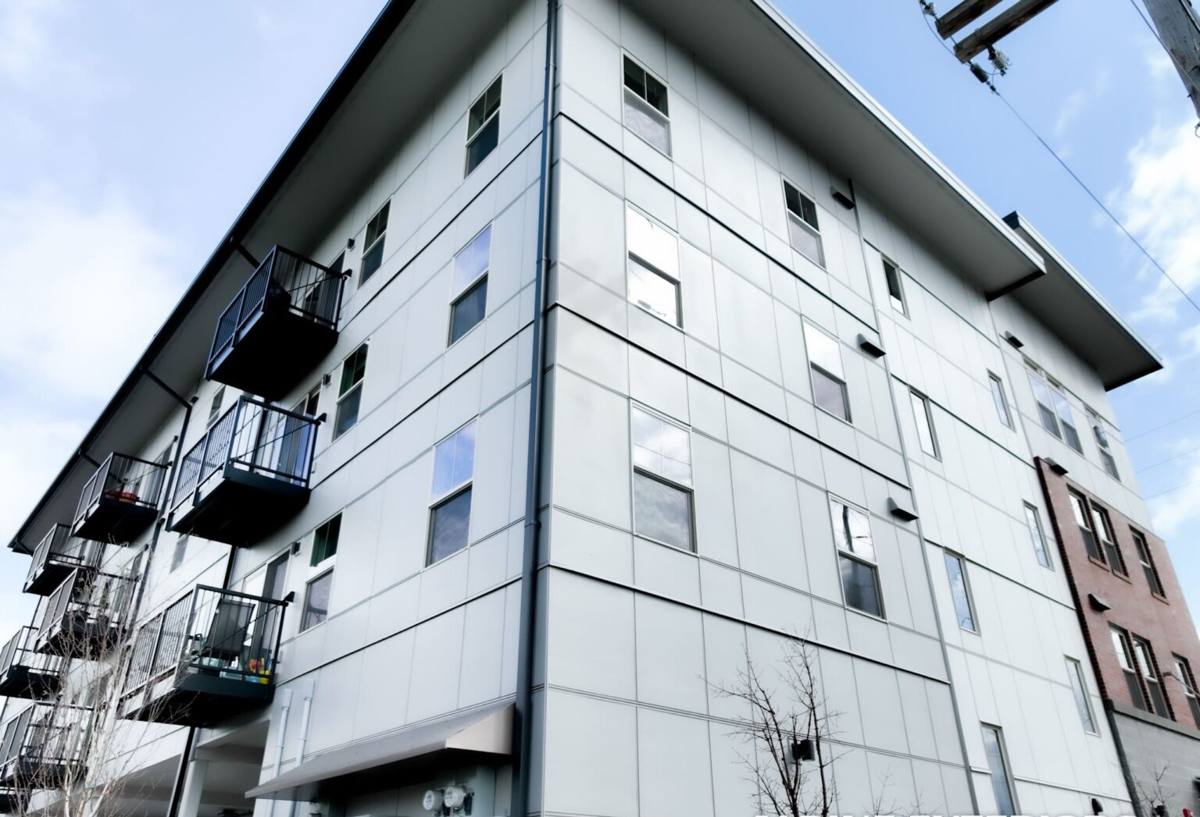
What Salt Air, Rain, and Moss Actually Do to a Wall
Salt Air
Airborne salt is corrosive to exposed metal — fasteners, flashing, trim edges — and it accelerates the breakdown of lower-grade coatings. On siding materials that rely on a thin surface film for protection, salt exposure combined with UV and moisture speeds up fading, chalking, and eventually cracking at the finish level. It's a slow process, but it's relentless if the underlying material and coating aren't built to handle it.
Driving Rain
Wind-driven rain off the water doesn't just wet the surface of a wall — it pushes moisture sideways and upward, testing every seam, lap, and penetration. A siding system that depends purely on caulk and paint to stay watertight will eventually let some of that moisture through. What matters more is what's happening behind the siding: whether there's a drainage plane that lets any moisture that does get in find its way back out.
Moss and Sustained Dampness
Whatcom County's moss season runs long, and shaded, north-facing walls near tree cover barely dry out between rain events. Moss and algae hold moisture directly against the siding surface, which is hard on any material that can absorb water or swell. It also means siding here needs a finish that resists organic growth and a surface that's realistic to clean without damaging it.
Why We Standardized on James Hardie for This Kind of Exposure
James Hardie fiber cement is engineered from cement, sand, and cellulose fiber — it doesn't rot, it isn't a food source for moss or mildew, and it doesn't swell and contract with moisture the way wood-based products can. For coastal Whatcom County work, we specify Hardie's HZ5 formulation, which is engineered specifically for cold, wet, high-moisture climates like the Pacific Northwest. It's built to handle freeze-thaw cycling and sustained damp exposure without the material itself degrading.
Just as important is the ColorPlus factory finish. It's baked on in a controlled environment rather than site-sprayed or brushed, which gives a more consistent, harder finish that holds up better against salt air and UV than field-applied paint. Hardie backs the product with a strong, transferable limited warranty — but that warranty is only meaningful if the installation itself is done correctly, which is where a lot of siding jobs actually fall short.
What a Correct Installation Involves Here
Fiber cement siding is only as good as the assembly it's installed as part of. In a high-moisture, salt-exposed area like Semiahmoo, the details matter more than in a drier inland climate.
- A proper water-resistive barrier installed and lapped correctly, with no gaps at seams or penetrations
- A rain screen or drainage gap where conditions call for it, so any incidental moisture behind the siding can drain and the wall can dry
- Correct flashing at every window, door, and roofline intersection — this is where the majority of real-world water intrusion actually starts
- Fasteners rated for the exposure, driven to Hardie's specified depth and spacing — overdriven or underdriven nails are a common cause of premature failure
- Proper clearance between the siding's bottom edge and grade, decks, or roof lines, so the material isn't sitting in standing water or splash-back
- Correctly caulked and sealed joints using products compatible with the ColorPlus finish, not generic caulk that will fail early in salt air
Skipping any of these doesn't usually cause an obvious problem on day one. It shows up two, five, or ten years later as staining, soft trim, or a warranty claim that gets denied because the installation didn't meet manufacturer specification. That's the real risk with fiber cement — the material is excellent, but it's unforgiving of a rushed or careless install.
How Our Process Works
1. On-Site Assessment
We walk the exterior, check the condition of the existing siding and sheathing, look at moisture exposure by elevation (north/shaded sides are usually the highest risk here), and identify any areas with existing damage that need to be addressed before new siding goes on.
2. Prep and Water Management
Old siding comes off, damaged sheathing gets replaced, and the water-resistive barrier and flashing get installed or corrected. This step is where most of the long-term performance of the job actually gets decided — it's also the step that's invisible once the siding goes back on, which is exactly why it has to be done right the first time.
3. Installation
Hardie panels, lap siding, or trim go on to manufacturer specification — correct fastener pattern, correct gaps and clearances, correct flashing integration at every penetration.
4. Finish and Walkthrough
Caulking, touch-up, cleanup, and a final walkthrough so you know what was done and what to expect from the material going forward, including basic care.
Comparing Siding Options for Semiahmoo's Exposure
We only install James Hardie, but homeowners researching siding often want to understand why, especially for a property with this level of salt and moisture exposure. Here's an honest comparison of how common siding materials tend to hold up under these specific conditions.
| Material | Salt Air Behavior | Moisture/Rot Risk | Finish Longevity |
|---|---|---|---|
| James Hardie fiber cement | Non-combustible, corrosion is limited to fasteners/flashing, not the panel itself | Does not rot; engineered HZ5 line for wet climates | Factory ColorPlus finish, strong transferable warranty |
| Vinyl siding | Can become brittle and fade faster under UV plus salt exposure over time | Doesn't rot itself, but poor drainage behind it can trap moisture against sheathing | Color is through-body but can chalk; not repaintable without prep |
| LP SmartSide (engineered wood) | Wood-based substrate is more sensitive to sustained salt/moisture exposure at cut edges and seams | Higher risk if caulking/flashing details aren't maintained over time | Factory finish varies; field touch-up needed at seams |
| Cedar or primed wood | Requires ongoing maintenance to hold finish against salt and UV | Natural wood is susceptible to rot if coating fails or moisture gets behind it | Needs repainting/staining on a recurring cycle |
None of these are "bad" products in every application — but for a property with sustained salt air and driving rain exposure, the maintenance burden and long-term moisture risk of the alternatives is exactly why we made Hardie our standard rather than offering multiple product lines.
What We Commonly Find on Existing Siding in This Area
When we're called out to assess older siding on homes near the water, a few patterns show up consistently: moss buildup on shaded north walls that's been left too long and started holding moisture against the surface, caulk that's failed at window and trim joints from UV and salt exposure, and soft or discolored trim where flashing was missing or undersized at a roofline or window head. These aren't unusual failures — they're the predictable result of a wet, salty climate meeting an installation or material that wasn't built for it.
Simple Maintenance That Extends the Life of Hardie Siding Here
- Rinse siding periodically to remove salt residue and surface grime, especially on sides facing the water
- Keep gutters and downspouts clear so water isn't running down the wall face
- Trim back vegetation and tree cover where it's keeping a wall shaded and damp longer than necessary
- Address moss growth early with a gentle wash rather than letting it establish and hold moisture
- Inspect caulking at trim and penetrations every year or two and have any cracked joints resealed
Why Hiring a Crew That Already Works Semiahmoo Matters
Correct fiber cement installation isn't generic — it changes based on exposure. A crew that already works this stretch of Whatcom County coastline knows which elevations take the worst of the driving rain, where moss tends to establish first, and how much drainage detailing a given wall actually needs versus a standard inland install. That local judgment is what keeps a siding job performing correctly ten and twenty years out, not just on the day it's finished.
If you're considering new siding, a repair, or just want a professional read on what your current exterior needs, we're glad to take a look. Reach out for a free, no-pressure estimate — we'll walk the property, explain what we see, and give you a straightforward assessment before you decide anything.