 Birch Bay Siding
 Siding Replacement Built for Lynden's Weather, Not Just Its Curb Appeal
Lynden sits in a part of Whatcom County that puts real demands on exterior siding. Homes here deal with long stretches of driving rain off and on for most of the year, humid air that hangs around long enough to feed algae and moss growth, and the kind of salt-tinged coastal air that moves inland from the Sound and slowly works on anything that isn't built to handle it. None of that is dramatic on any single day. It's the accumulation over years that separates a siding job that holds up from one that starts failing at the seams, corners, and butt joints within a decade.
A siding replacement in this area isn't just a cosmetic upgrade. It's a chance to correct whatever let moisture in the first place and put a product on the wall that's actually engineered for this climate, installed in a way that respects how water moves across and behind cladding in a wet region. That's the lens we bring to every siding replacement project in Lynden.
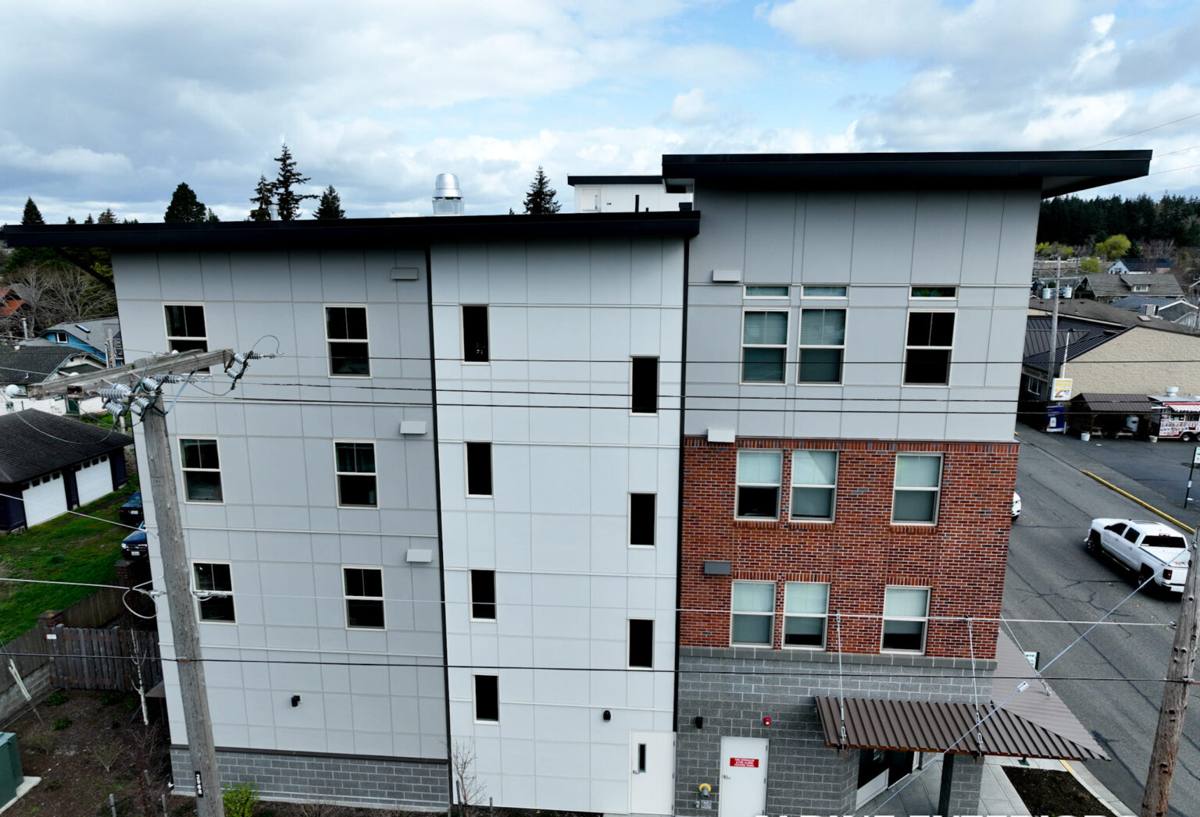
Signs a Lynden Home Is Ready for Siding Replacement
Siding rarely fails all at once. It shows warning signs first, and in a climate like ours those signs tend to show up earlier than homeowners expect. Watch for:
- Soft or spongy spots when you press on siding near the bottom courses, around windows, or at corner trim
- Paint that keeps failing in the same spots no matter how often it's repainted
- Persistent moss or dark streaking that comes back within a season or two of cleaning
- Visible gaps, warping, or cupping in individual boards or panels
- Musty smells or damp patches on interior walls that back up to exterior siding
- Siding that's original to a home built more than 20-25 years ago, especially if it's never been fully inspected behind the surface
Any one of these on its own might just need a repair. Several together, especially on the sides of the house that catch the most weather, usually mean the underlying moisture barrier has been compromised and a full replacement is the more honest answer than another round of patching.
What a Correct Siding Replacement Actually Involves
The siding itself is the part homeowners see, but it's not what determines whether the job lasts. Most siding failures we find when we tear off old material in Whatcom County trace back to what was underneath, not the cladding on top. A correct replacement addresses the whole wall assembly:
Full Tear-Off and Substrate Inspection
We remove the old siding down to the sheathing rather than installing over it. That's the only way to actually see what's happening underneath — soft sheathing, rot around window and door openings, or a moisture barrier that's been compromised for years without any visible sign on the outside.
Water-Resistive Barrier and Flashing
Given how much driving rain this area sees, the house wrap and flashing details matter as much as the siding material. Proper flashing at every window, door, and roofline intersection, and correct water-resistive barrier installation with the right overlaps, is what actually keeps water out of the wall cavity. Skipping or rushing this step is the single biggest reason siding jobs fail early in wet climates.
Rainscreen and Ventilation
A drainage gap behind the siding gives any moisture that does get past the outer layer a way to dry out instead of sitting against the sheathing. In a region with as much sustained damp weather as ours, that airflow is part of what determines whether a siding job lasts 15 years or 40.
Correct Fastening and Joint Treatment
Fiber cement siding has specific fastening patterns, clearances, and joint treatment requirements. Installed to spec, joints are sealed and flashed correctly and fasteners are placed to manufacturer requirements — details that protect both the material and its warranty.
Why We Install James Hardie Fiber Cement — and Only Hardie
We install James Hardie fiber cement siding exclusively. We don't install vinyl, LP SmartSide, Cemplank, Allura, or primed wood siding, and that's a deliberate standard, not a limitation in what we're able to offer.
Vinyl softens, fades, and can crack in cold snaps, and it doesn't stand up well to long-term UV and moisture cycling the way a lot of homeowners expect. Engineered wood products like LP SmartSide use wood strand cores that are more moisture-sensitive at cut edges and butt joints than most homeowners realize, which matters in a climate that rarely gives siding a long dry stretch to recover. Primed wood and cedar look great initially but demand a maintenance schedule — recoating, caulking, spot repairs — that most homeowners underestimate until they're several years in.
James Hardie fiber cement is non-combustible, holds paint and factory ColorPlus finishes far longer than wood-based products, and Hardie's HZ product lines are specifically engineered for different climate zones, including the wetter Pacific Northwest exposure Lynden and the rest of Whatcom County see. It resists moisture-driven warping and doesn't feed moss growth the way some wood-based sidings can. That combination — durability against driving rain, resistance to the area's long moss season, and a strong transferable warranty when installed correctly — is why it's the only siding we put on homes.
Our Siding Replacement Process
| Step | What Happens |
|---|---|
| 1. On-site assessment | We walk the home, check current siding condition, look for moisture or rot indicators, and take measurements |
| 2. Written estimate | You get a clear scope and price range before any work is scheduled — no surprise add-ons buried in fine print |
| 3. Tear-off | Old siding is fully removed so the sheathing and framing underneath can be inspected |
| 4. Repair as needed | Any soft sheathing, rot, or damaged framing found during tear-off is addressed before anything new goes up |
| 5. Water barrier and flashing | New house wrap, flashing at all penetrations, and rainscreen installed to manufacturer spec |
| 6. Hardie siding installation | Fiber cement siding installed with correct fastening, clearances, and joint treatment |
| 7. Trim, caulking, and final details | Trim work, sealant, and touch-up finishing completed to a clean, consistent standard |
| 8. Walkthrough | We review the finished work with you before calling the job complete |
What Affects Siding Replacement Cost in Lynden
There's no honest flat number for siding replacement — the range depends on real variables specific to each home. The factors that move the price most are:
| Factor | Why It Matters |
|---|---|
| Home size and wall area | More square footage means more material and labor, the largest single driver of total cost |
| Story count and access | Two-story sections and hard-to-access walls require more scaffolding, staging, and time |
| Condition underneath | Rot or sheathing damage found during tear-off adds repair work that's impossible to quote sight unseen |
| Trim and detail work | Homes with more window trim, corner detail, or architectural features take more labor per square foot |
| Siding profile and finish | Different Hardie plank widths, textures, and ColorPlus finish options carry different material costs |
| Removal and disposal | What's being torn off, and how much of it, affects dump and labor costs |
We won't quote a number over the phone before seeing the home. Anyone who does is guessing, and that guess usually turns into change orders once the tear-off starts.
Why a Crew That Already Works in Lynden Matters
Siding installation isn't one-size-fits-all across Washington. A crew that's used to drier east-side conditions or milder coastal exposure elsewhere doesn't automatically know how aggressive to be with flashing details, ventilation gaps, and moisture barrier overlaps for Whatcom County's specific combination of driving rain and sustained damp air. A crew that already works this area has seen what actually fails here — which corners, which orientations, which details — and builds the job to avoid repeating those failures.
Local experience also means faster, more accurate estimates, familiarity with permitting expectations in the area, and a crew that's not learning the region's weather patterns on your dime. For a project as exposed to the elements as siding, that local track record is worth as much as the material itself.
Caring for Your New Siding After Installation
James Hardie siding is low-maintenance compared to wood or vinyl, but "low-maintenance" isn't "no-maintenance" in a climate that produces this much moss and rain. A short annual routine keeps it performing the way it's designed to:
- Rinse siding down once or twice a year to clear pollen, dust, and early moss or algae growth before it takes hold
- Keep gutters clean and downspouts directed away from the foundation so water isn't running down or pooling against siding
- Trim back shrubs and trees so foliage isn't holding moisture against the wall
- Check and refresh caulking at trim joints and penetrations every few years
- Walk the exterior after major storms and look for any new gaps, cracked caulk, or damage near ground level
- Address any small issue — a loose piece of trim, a cracked seal — promptly rather than letting it sit through another wet season
These small habits are what let a correctly installed Hardie siding job go the distance in a Whatcom County climate instead of just looking good for the first few years.
Get a Straightforward Estimate
If your Lynden home is showing signs it's due for new siding, or you just want an honest read on its current condition, we're happy to take a look. The estimate is free, there's no pressure attached to it, and you'll get a clear, specific answer about what your home actually needs — fill out the form below to get started.