 Birch Bay Siding
 Window Installation in Lynden, Washington
Lynden sits inland from the water, but it doesn't sit outside the weather system that shapes exterior work across Whatcom County. Storms roll in off the Pacific, dump driving rain for days at a stretch, and even here in the farmland along the Nooksack valley, marine-influenced air keeps humidity high enough that moss and mildew are a year-round concern rather than a seasonal one. Windows are one of the first places that weather finds a way in, and one of the most expensive mistakes to get wrong. This page covers what window installation actually requires for a Lynden home, how we approach the job, and what to look for when you're hiring someone to do it.
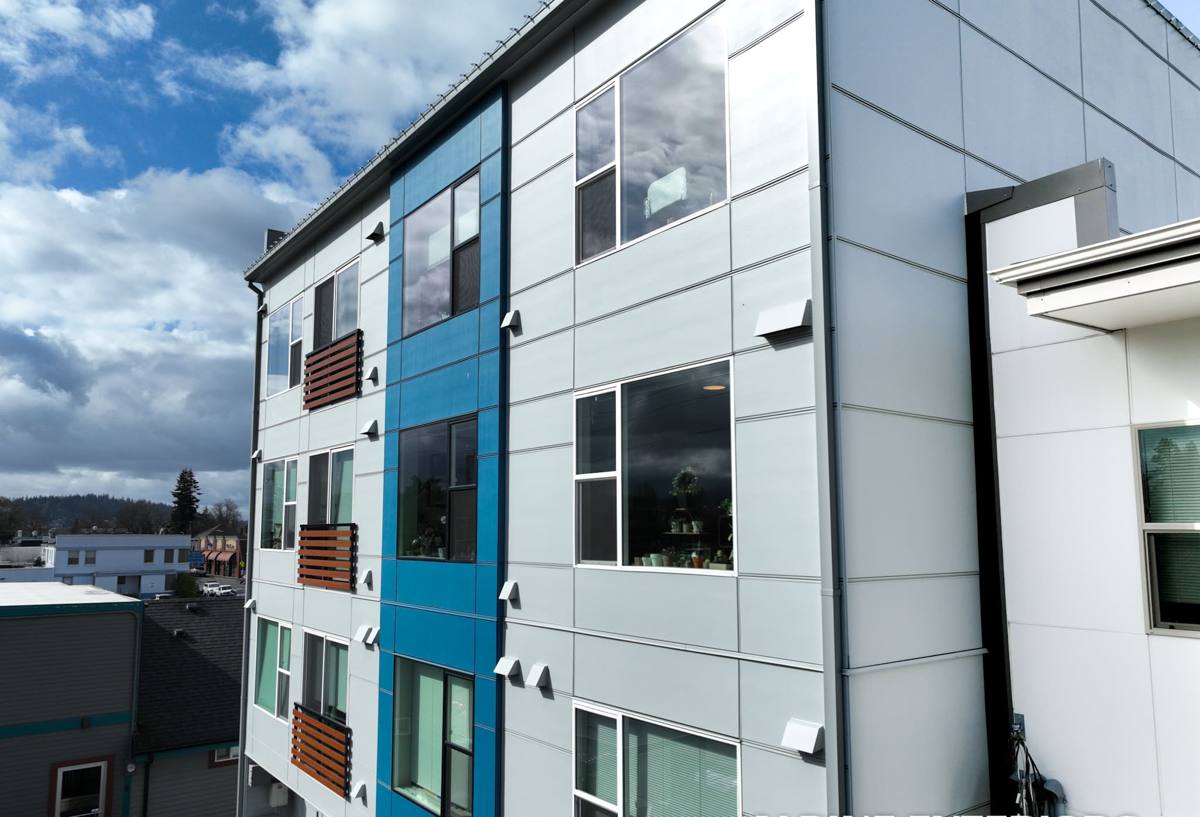
What Lynden's Climate Demands From a Window Installation
A window is only as good as the opening it sits in. In this part of Whatcom County, three things put real pressure on that opening year after year:
Driving Rain
Wind-driven rain doesn't just fall straight down — it gets pushed sideways into wall assemblies, especially on west and south-facing elevations. If flashing details around a window aren't built to shed that water outward and downward, it works its way behind the trim and into the wall cavity, where it can sit unnoticed for years.
Long Moss Season
Shaded siding, north-facing walls, and trim that stays damp for extended stretches all give moss and algae a foothold. Moss holds moisture against building materials, which accelerates rot in wood trim and can compromise sealant lines around a window frame well before the window itself shows any sign of trouble.
Temperature and Humidity Swings
Cold, damp winters followed by warmer, humid summers put expansion and contraction stress on frames, seals, and glazing. Older single-pane or early double-pane windows in Lynden homes often show this as fogging between panes, drafts around the sash, or trim that's visibly separated from the siding.
Signs a Lynden Home May Need Window Work
- Fogging or a milky haze between panes of a double-pane window — the seal has failed and the gas fill is gone
- Soft or discolored wood trim around the window frame, especially at the bottom corners
- Visible daylight or a draft at the sash when the window is closed and locked
- Moss or dark streaking on trim or siding immediately surrounding the window
- Difficulty opening, closing, or locking a window that used to operate smoothly
- Noticeably higher heating bills with no other explanation
Any one of these on its own might just mean a repair. Several at once, or a window original to a home built decades ago, usually means it's time to talk replacement.
What a Correct Window Installation Actually Involves
Swapping the window itself is the easy part. The work that actually determines whether it holds up in this climate happens around it.
Removing the Old Window Without Hiding Problems
We pull the existing window carefully and inspect the rough opening before anything new goes in. This is where hidden rot, old caulk failures, or improperly installed flashing from a previous job usually turn up. Covering that damage over instead of repairing it is how a new window ends up with the same leak in five years.
Flashing and Sill Pan Details
Proper flashing directs water that reaches the window opening back out, over the siding below, instead of into the wall. A sloped sill pan at the bottom of the opening is what keeps any water that does get past the window from pooling against the framing. These details are largely invisible once the job is done, which is exactly why they're the details that get skipped by crews trying to save time.
Air Sealing and Insulation
Gaps between the window frame and the rough opening need to be sealed and insulated correctly — not overpacked with expanding foam, which can bow a frame out of square, and not left loose enough to let drafts and moisture through.
Interior and Exterior Finish Work
Trim gets reset or replaced, caulk lines get tooled properly instead of just applied, and paint or stain matches the rest of the home. A window installation isn't finished until the finish work around it is done right too.
Our Process for a Lynden Window Installation
- On-site assessment — we look at the window openings themselves, not just the glass, and check for existing rot, drainage issues, or siding conditions that affect the job
- Product selection — we walk through frame material, glazing options, and what fits the home's exposure and your budget
- Written estimate — a clear scope of work and price before anything is scheduled
- Removal and opening inspection — old windows come out, and any framing or moisture damage found gets addressed before the new window goes in
- Installation — proper flashing, sill pan, air sealing, and fastening to manufacturer and code specifications
- Finish work — trim, caulking, and paint or stain matched to the home
- Final walkthrough — every window is opened, closed, and locked in front of you before we call the job done
Choosing a Window Type for This Climate
There isn't one universally "best" window — the right choice depends on exposure, budget, and how much upkeep you want to take on. Here's how the common options compare for a home dealing with regular wind-driven rain and a long damp season:
| Frame Material | Moisture Resistance | Maintenance | Typical Trade-Off |
|---|---|---|---|
| Vinyl | Good — won't rot, but seals matter more over time | Low | Least expensive; limited color/repaint options |
| Fiberglass | Very good — dimensionally stable in wet/dry cycles | Low | Higher upfront cost than vinyl |
| Wood | Requires diligent upkeep in this climate | High | Best classic look, but exposed wood and constant moisture are a demanding combination |
| Wood-Clad | Good exterior protection, wood interior warmth | Moderate | Clad exterior handles rain; cladding integrity depends on installation quality |
We're honest with customers about wood: it can look great, but in a climate with this much sustained moisture and moss pressure, an all-wood exterior frame demands a maintenance schedule most homeowners underestimate. That's a trade-off worth knowing before you commit to it, not a knock on the material itself.
What Affects the Cost of Window Installation
| Factor | Why It Matters |
|---|---|
| Number and size of windows | More or larger openings mean more material and labor |
| Frame material | Vinyl, fiberglass, and wood carry different price points |
| Glazing package | Double vs. triple-pane and low-E coatings affect both price and performance |
| Condition of the existing opening | Rot or framing repair found during removal adds scope |
| Trim and siding complexity | Matching existing trim profiles or siding types takes more finish labor |
| Access | Second-story or hard-to-reach windows take more time and equipment |
We'll never quote a firm number without seeing the openings in person, but we're upfront that hidden rot behind old trim is a common finding once we start pulling windows in this area, and it's the kind of thing a fair estimate accounts for rather than hides.
Why a Local Crew Matters for Lynden Homes
A window installer who works regularly in Whatcom County has already seen how homes in this area age — which exposures fail first, which older installation shortcuts tend to cause problems years later, and how much moss buildup is normal wear versus a sign of a bigger moisture issue. That familiarity shows up in small decisions on the job: how flashing gets lapped, how much slope a sill pan gets, which finish products actually hold up through a full wet season here. It also means we're not guessing at permitting or code requirements for the area, and we're around afterward if a question comes up once the weather has had a chance to test the work.
Before You Hire: A Quick Checklist
- Ask to see proof of a current Washington contractor license and insurance
- Get a written estimate that itemizes materials, labor, and finish work — not just a lump sum
- Ask specifically how they handle flashing and sill pan details, not just what window brand they install
- Ask what happens if they find rot or damage once the old window is removed
- Confirm the manufacturer warranty terms and who handles a warranty claim if one comes up
- Ask how they'll match trim and finish to the rest of your home's exterior
If a contractor can't give a clear, specific answer to how they handle flashing and water management, that's worth pausing on — it's the part of the job that determines whether the installation actually holds up here.
If you're weighing a window replacement or repair on a Lynden home, we're happy to take a look and walk you through what we see, no pressure and no obligation. Use the form below to request a free estimate.