 Birch Bay Siding
 Marietta Decks Face a Different Kind of Wear
A deck in Marietta doesn't age the same way a deck does fifty miles inland. Sitting near the Salish Sea puts homes here in near-constant contact with salt-laden air, and that air works its way into every seam, fastener, and joint on an outdoor structure. Add in Whatcom County's long, wet fall-through-spring stretch and the shaded, damp conditions that let moss take hold on horizontal surfaces, and you have a climate that is genuinely harder on decks than most of the country deals with. None of this means a deck can't last for decades here — it means it has to be built with this specific climate in mind, not built the way a deck would be framed in a dry inland region.
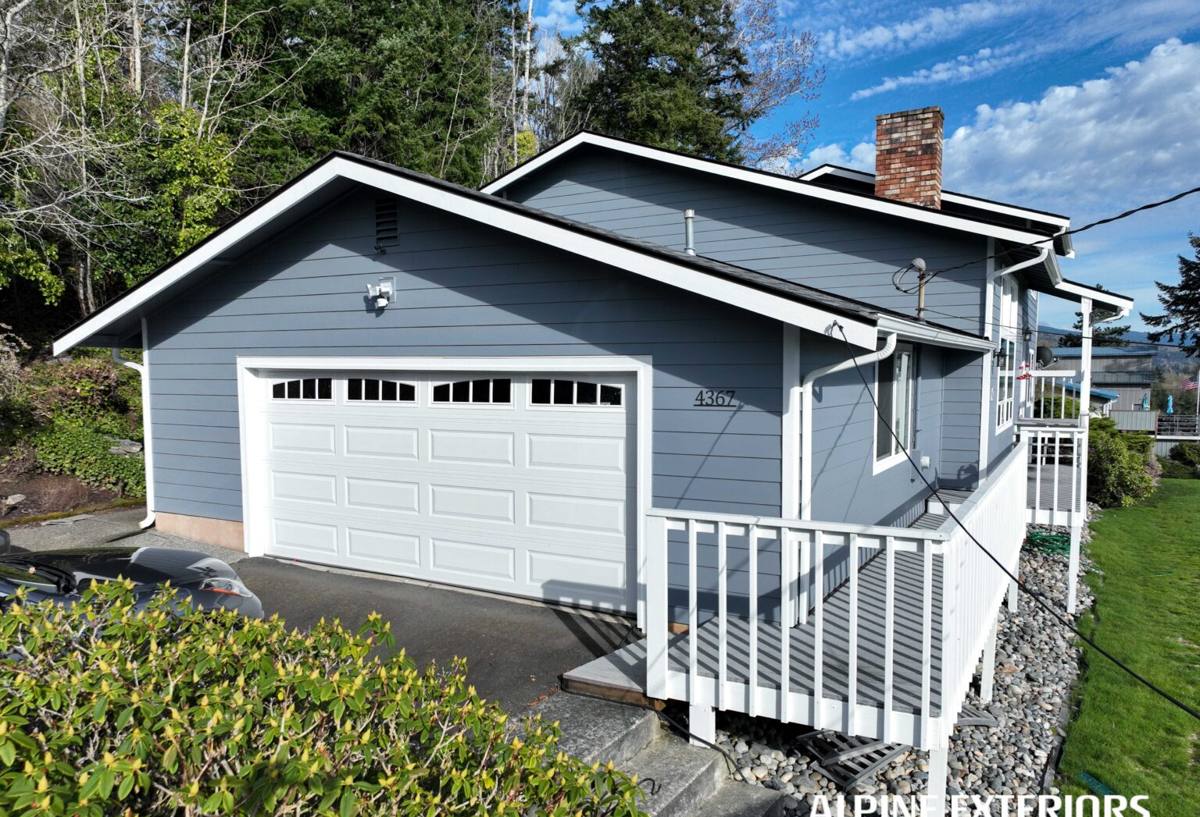
How Salt Air, Rain, and Moss Break Decks Down
Fasteners and Hardware
Salt air accelerates corrosion in metal hardware — joist hangers, ledger bolts, screws, and post bases — faster than most homeowners expect. Once a fastener starts to corrode, it loses holding strength quietly, often with no visible sign from the top of the deck. That's a structural issue, not a cosmetic one, since it's the hardware holding the deck to the house and the framing together.
Moss, Standing Moisture, and Wood Rot
Birch Bay's moss season runs long, and a deck with poor drainage, tight board spacing, or shade from trees or the house itself gives moss and algae exactly the damp, undisturbed surface they need to spread. Beyond being slippery underfoot, moss holds moisture directly against the wood or decking surface, which speeds up rot in real wood boards and can trap grit against composite surfaces. Underneath the deck, the same moisture cycle attacks ledger boards, joists, and posts — often the parts of the deck nobody looks at until there's a problem.
Repair or Replace? Signs Worth Taking Seriously
Not every aging deck needs full replacement, but in this climate, small issues tend to compound quickly once moisture gets behind the surface. These are the signs that usually point to replacement rather than a patch job:
- Soft, spongy, or spring-feeling boards, especially near the house or stair landings
- Rust streaking around screws, bolts, or joist hangers
- Visible gaps or separation where the deck meets the house (ledger board area)
- Persistent moss or dark staining that returns within weeks of cleaning
- A railing or post that flexes or feels loose when pushed
- Wood that's gray, splintering, or checking (cracking along the grain) across most of the surface
- A deck older than 15-20 years that has never been fully inspected underneath
If it's mostly cosmetic wear on a structure that's still sound underneath, repair or refinishing can make sense. Once the framing, ledger, or hardware are compromised, replacement is the honest recommendation — patching a failing structure just delays a bigger repair later.
What a Correct Deck Replacement Actually Involves
Ledger Board and Flashing
The ledger board — where the deck attaches to the house — is the single most common failure point on any deck, and it's especially important in a climate with this much driving rain. Correct flashing detail keeps water from wicking behind the siding and into the house framing. This is not an area to shortcut, and it's one of the first things we check when a deck is failing prematurely.
Framing, Footings, and Hardware
Posts, footings, and joists need to be sized and spaced for the actual load and span, not just replaced board-for-board with whatever was there before. In a coastal climate, hardware selection matters as much as the framing lumber itself — corrosion-resistant fasteners and connectors rated for the exposure are worth the modest upcharge given what salt air does to standard-grade metal over time.
Decking Surface
Whether you go with wood or a composite product, board spacing and airflow underneath the deck both affect how well the surface sheds water and resists moss. A deck built tight to the ground with poor ventilation will grow moss faster than one with proper clearance and drainage, regardless of material.
Railings and Code Compliance
Railing height, baluster spacing, and stair requirements are governed by building code, and any deck replacement is a chance to correct an older structure that may predate current requirements. We build to current code as a matter of course, not as an upsell.
Choosing a Decking Material for This Climate
There's no single "right" material for every homeowner — it depends on budget, maintenance appetite, and how long you want to go between upkeep tasks. Here's how the common options generally compare for a coastal Whatcom County property:
| Material | Upfront Cost | Maintenance | Coastal Durability |
|---|---|---|---|
| Pressure-treated wood | Low | Annual cleaning/sealing recommended | Good if sealed regularly; vulnerable if maintenance lapses |
| Cedar | Medium | Regular sealing to maintain color and resist moisture | Naturally rot-resistant but still needs upkeep near salt air |
| Capped composite | Higher | Occasional washing; no sealing or staining | Strong resistance to moisture, salt, and moss buildup |
| PVC/vinyl decking | Higher | Minimal; wash as needed | Very strong moisture resistance, lighter weight |
We install both wood and composite decking, and we'll walk you through the honest trade-offs for your specific deck rather than steering you toward whatever is easiest for us to install. Wood costs less upfront but asks more of you every year; composite and PVC systems cost more initially but hand back a lot of that time and maintenance over the life of the deck — which matters in a climate that's hard on unsealed wood.
Our Deck Replacement Process
- On-site inspection — we check the ledger, framing, footings, and hardware, not just the surface boards, so you know what's actually driving the wear.
- Honest scope and plan — full replacement, partial rebuild, or repair, based on what we find, with a straightforward explanation of why.
- Permitting — where required for the scope of work, handled as part of the project.
- Tear-off and structural rebuild — old decking, damaged framing, and corroded hardware removed and replaced with materials suited to this climate.
- Decking, railing, and stair installation — built to current code with attention to drainage and airflow underneath.
- Final walkthrough — we go over the finished deck and basic care with you before we consider the job done.
Permits and Local Requirements
Deck replacement work in Whatcom County generally falls under permitting requirements once you're dealing with structural changes, height above grade, or attachment to the house — the exact threshold depends on the specifics of the project. We handle the permit process as part of the job rather than leaving it for the homeowner to sort out, and we build to current code whether or not a given project happens to require a formal permit.
Why a Crew That Already Works Marietta Matters
Deck problems in this area tend to rhyme — ledger flashing that wasn't detailed for driving rain, hardware that corroded faster than expected, decking laid too tight to the ground to shed moisture or resist moss. A crew that works Birch Bay and the surrounding Whatcom County communities regularly has seen these failure patterns enough times to design around them from the start, instead of learning the hard way on your project. That local familiarity also means realistic expectations about weather windows for the work itself, since coastal rain patterns affect scheduling more here than in drier parts of the state.
Caring for Your New Deck Year-Round
A well-built deck still needs some basic seasonal attention in this climate, regardless of material:
- Sweep debris off the surface regularly, especially in fall, to keep moisture and organic matter from sitting on the boards
- Rinse off moss or algae as soon as you notice it rather than letting it establish
- Check railings and stair connections periodically for looseness
- Keep gutters and downspouts near the deck clear so runoff isn't draining directly onto or under it
- For wood decks, plan on resealing on the schedule recommended for the product — skipping a cycle in this climate shows up fast
- Glance under the deck once a year for signs of moisture, rust, or soft framing before small issues grow
If your deck in Marietta is showing its age, or you just want a straight answer about whether it needs repair or full replacement, we're happy to take a look. The estimate is free, there's no pressure attached to it, and you'll get a clear explanation of what we find — just fill out the form below to get started.