 Birch Bay Siding
 Roofing in Marietta: A Climate That Doesn't Forgive Shortcuts
Marietta sits close enough to the water that salt air is part of daily life, and that changes what a roof has to survive. Add Whatcom County's long wet season, driving rain that comes in sideways off Birch Bay, and a moss season that can stretch nearly year-round in shaded areas, and you have a climate that will find every weak point in a roofing system. A new roof installation here isn't just about covering the house — it's about choosing materials and installation methods that hold up to conditions a lot of manufacturers' warranty language never really accounts for.
We install roofs across this area regularly, and the patterns repeat: fastener corrosion from salt-laden moisture, moss working into shingle mat where valleys stay damp, and underlayment failures where wind-driven rain gets pushed uphill under improperly lapped shingles. None of that is exotic. It's just what happens when a roof designed for a drier, calmer climate gets installed without adjustments for this one.
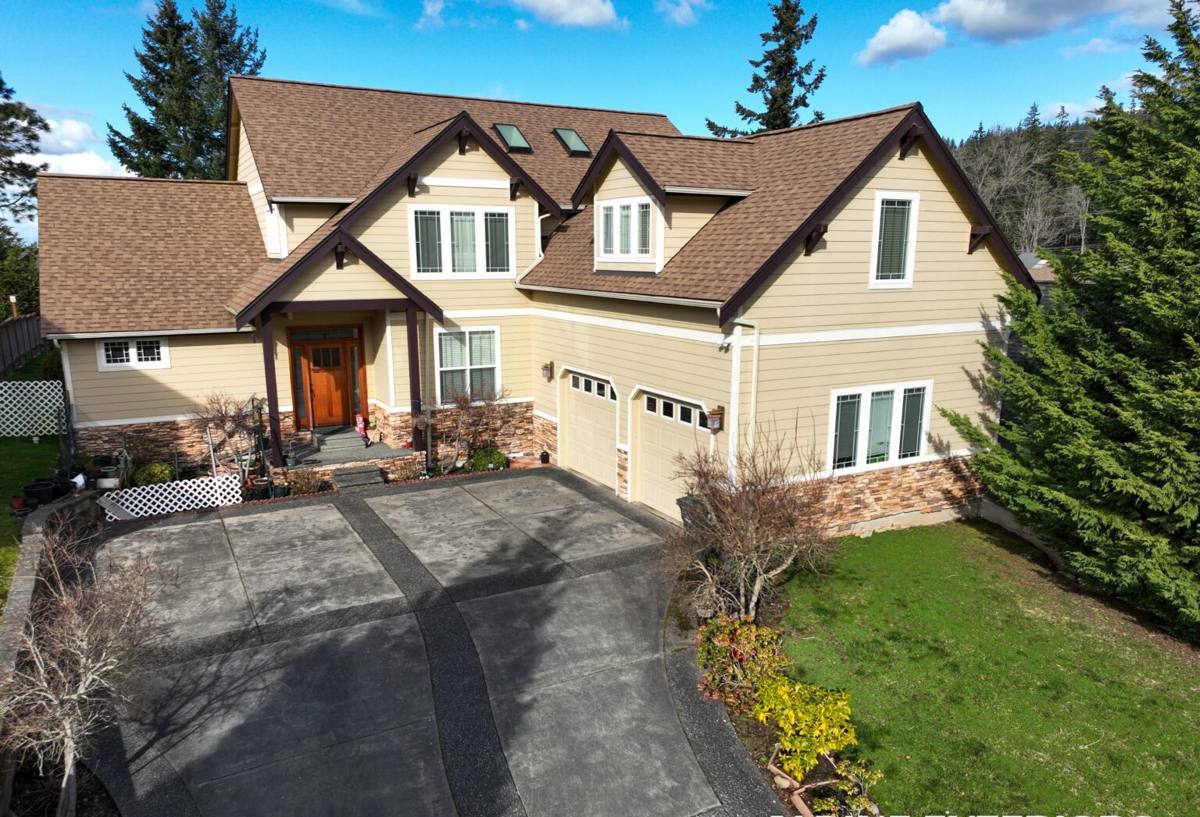
What Marietta Homes Need From a New Roof
Corrosion-Resistant Fasteners and Flashing
Standard electro-galvanized nails and flashing can start showing rust streaks within a few years this close to salt water. We spec hot-dip galvanized or stainless fasteners and corrosion-rated flashing on homes in this zone, because replacing a roof over rusted-out fasteners in eight years costs a lot more than the small upcharge to do it right the first time.
Wind-Driven Rain Protection
Storms off the bay don't always drop rain straight down — they push it sideways and up under roof edges, eaves, and low-slope transitions. That means proper underlayment lapping, sealed nail penetrations, and ice-and-water shield membrane in vulnerable areas (valleys, eaves, around penetrations) matter more here than in drier inland areas.
Moss and Algae Resistance
Shaded roof sections, north-facing slopes, and anywhere tree cover blocks sun stay damp for days at a time. That's exactly what moss needs to establish. A new roof should be installed with drainage and airflow in mind, and homeowners should have a real conversation about algae-resistant shingle options or metal roofing where moss has been a recurring problem.
Signs a Marietta Home Needs a New Roof, Not Another Repair
- Granule loss showing bare, shiny patches on shingles, especially on south- and west-facing slopes
- Moss or dark streaking that keeps coming back within a season of cleaning
- Soft or spongy decking felt underfoot in the attic, especially near valleys or eaves
- Daylight visible through the roof deck from inside the attic
- Curling, cracked, or missing shingles concentrated on the side that takes the worst weather
- Rust staining around flashing, vents, or exposed fastener heads
- Interior ceiling stains or musty attic smell that shows up after heavy rain
- A roof that's 20+ years old and has never had a full tear-off, even if it "looks okay" from the ground
Any one of these on its own might just need a repair. Several at once, or a roof already past its expected service life, usually means the cost math favors a full replacement over chasing leaks one at a time.
What a Correct New Roof Installation Actually Involves
Full Tear-Off and Deck Inspection
We remove the old roofing down to the deck rather than layering over it. That's the only way to actually see the plywood or plank decking underneath, catch soft or delaminated sections before they become a warranty headache, and confirm the deck is fastened properly for wind resistance.
Underlayment and Water Barrier
Given how much wind-driven rain this area sees, we don't treat underlayment as an afterthought. Synthetic underlayment across the full roof, with ice-and-water shield membrane at eaves, valleys, and roof penetrations, gives the structure a real second line of defense if wind ever pushes water past the shingle layer.
Flashing at Every Transition
Chimneys, skylights, sidewalls, and roof-to-wall transitions are where most leaks actually start — not in the open field of the roof. Properly formed and corrosion-resistant step flashing, counter-flashing, and valley metal matter as much as the shingles themselves.
Ventilation That Matches the Climate
A roof deck that can't breathe traps moisture, which accelerates rot and gives moss and mildew a head start. Balanced intake and exhaust ventilation — usually soffit vents paired with ridge or roof vents — keeps attic moisture moving instead of settling into the deck.
Roofing Material Options for Marietta's Climate
| Material | Salt Air / Moisture Performance | Moss Resistance | Typical Lifespan |
|---|---|---|---|
| Standard asphalt shingle | Adequate with corrosion-rated fasteners and flashing | Moderate; benefits from algae-resistant granules | 20-25 years |
| Algae-resistant (AR) asphalt shingle | Good, especially with proper flashing detail | Better long-term resistance to streaking and moss growth | 25-30 years |
| Standing seam metal | Excellent when properly coated and fastened | High; smooth surface sheds moisture and discourages moss | 40-50+ years |
| Synthetic/composite shingle | Good; resists moisture absorption well | Moderate to good, varies by product | 30-50 years |
There's no single "correct" material for every Marietta home — it depends on roof pitch, budget, how much shade the roof sits in, and how long the homeowner plans to stay in the house. We'll walk through the real trade-offs for your specific roof rather than pushing one product across every job.
Our Installation Process
- On-site inspection and estimate — we assess the current roof, attic ventilation, and any problem areas before quoting anything
- Material selection — honest comparison of options based on your roof's exposure, shade, and budget
- Scheduling around weather windows — we plan installs to avoid getting caught mid-tear-off in a rain system whenever possible
- Full tear-off and deck inspection — old roofing removed, deck checked and repaired as needed
- Underlayment, flashing, and ventilation installation — the parts of the job that determine whether the roof actually performs in this climate
- Shingle or panel installation — installed to manufacturer spec, with attention to nailing patterns that hold up to coastal wind
- Final walkthrough and cleanup — magnetic sweep for debris, gutters checked, and a final inspection with the homeowner
Moss Prevention Doesn't End at Installation
Even a well-installed roof will collect moss spores if it sits under tree cover in a climate this wet. A few habits extend the life of a new roof significantly: keeping gutters clear so water doesn't back up under the shingle edge, trimming back branches that shade the roof and drop debris, and scheduling a soft wash or moss treatment before growth gets established rather than after it's visible from the street. We're happy to point out which sections of a specific roof are most at risk based on sun exposure and slope.
Cost Factors for a New Roof in Marietta
| Factor | Why It Matters Locally |
|---|---|
| Roof size and complexity | More valleys, dormers, and penetrations mean more flashing labor and material |
| Material choice | Standard asphalt costs less upfront; metal and AR shingles cost more but resist this climate's wear longer |
| Deck condition | Rot or soft decking found during tear-off adds repair cost, but skipping this leaves a compromised roof |
| Ventilation upgrades | Adding or correcting soffit/ridge venting protects the new roof's lifespan |
| Access and site conditions | Steep pitch, tree cover, or tight lot access can affect labor time |
We give straightforward, itemized estimates rather than a single vague number, so you can see exactly what's driving the cost and where there's room to adjust.
Why Hiring a Crew That Already Works Marietta Matters
A roofing crew unfamiliar with this stretch of Whatcom County can underestimate how much salt exposure and wind-driven rain affect material choice and installation detail. We already know which fastener grades hold up here, which roof orientations in this area tend to develop moss first, and how local wind patterns off Birch Bay stress flashing and shingle edges. That local knowledge shows up in fewer callbacks and a roof that's actually built for the weather it has to survive, not a generic install pulled from a manufacturer's minimum-spec instructions.
We also understand the practical side of working in this area — permitting expectations in Whatcom County, scheduling around the wetter months, and being upfront when weather isn't cooperating with a planned install date rather than rushing a tear-off into an open sky with rain on the way.
Ready for a Straight Answer About Your Roof?
If your Marietta home's roof is showing its age, or you just want an honest opinion on whether repair or replacement makes more sense, we're glad to take a look. Fill out the form below for a free, no-pressure estimate — we'll tell you what we actually see, not just what sells a bigger job.