 Birch Bay Siding
 Roofing Point Roberts Is Not the Same Job as Roofing Inland
Point Roberts sits on its own peninsula, bordered by water on three sides and connected to the rest of Whatcom County only by a drive through Canada. That geography shapes everything about how a roof ages here. Salt-laden air moves off the water and onto every exposed surface, wind-driven rain finds its way under poorly lapped materials, and shaded, moisture-heavy stretches of the year keep roofs damp long after a storm has passed. A roof built to a generic spec sheet will survive here. A roof built for this exact exposure will last a lot longer and cause a lot fewer headaches in between.
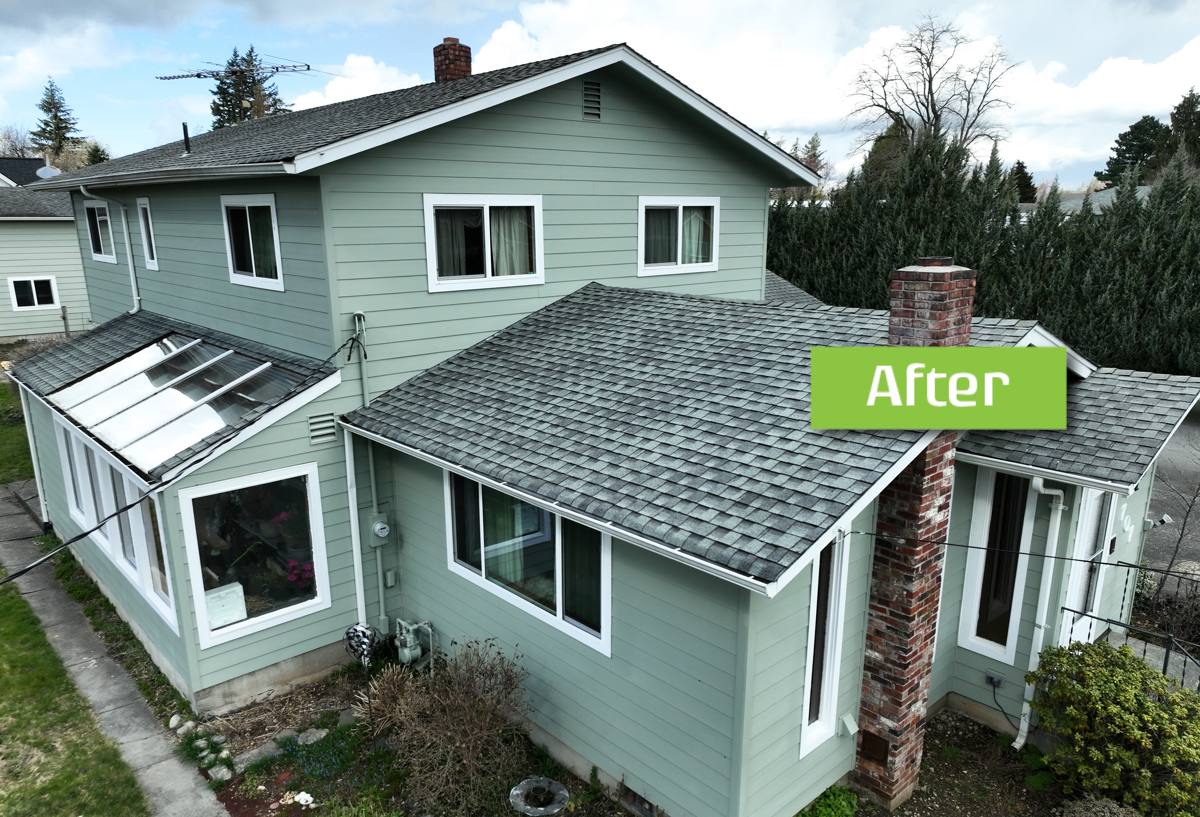
We install new roofs for homeowners in Point Roberts and throughout the Birch Bay area, and we treat this as a distinct job from a standard Whatcom County re-roof, not a smaller version of it. That means different fastener choices, different attention to flashing details, and a different conversation about moss before we ever pick up a nail gun.
What Salt Air, Driving Rain, and Moss Actually Do to a Roof
Salt Air
Airborne salt accelerates corrosion on anything metal — nail heads, flashing, vent stacks, gutter fasteners. On a roof close to the water, unprotected or lower-grade metal components can start showing rust well before the shingles themselves are due for replacement. Once fasteners corrode, they lose their grip, and that's when leaks start at the least obvious points on the roof.
Driving Rain
Point Roberts gets its share of wind-driven storms coming off open water, and driving rain behaves differently than rain falling straight down. It can push under shingle tabs, around poorly sealed penetrations, and into any flashing that was installed to look right rather than to shed water from every angle. A roof here needs to be detailed for rain that's moving sideways, not just rain that's falling down.
Moss
Shaded roof slopes, tree cover, and a long damp season give moss a wide window to take hold. Moss holds moisture against the roofing material, lifts shingle edges as it grows, and works its way into gaps over time. Left alone, it shortens the life of an otherwise sound roof. A new installation should be designed to shed water and dry out quickly, which starves moss of the conditions it needs.
Signs a Point Roberts Home Needs a New Roof, Not Another Repair
Not every roofing problem calls for full replacement, but there's a point where patching stops making financial sense. Homeowners should start planning for a new roof when they notice:
- Granule loss heavy enough that shingles look bald in patches, especially on rain-facing slopes
- Persistent moss coverage that comes back within a season or two of cleaning
- Soft spots in the decking when walked, or sagging visible from the ground
- Rusting or lifting flashing around chimneys, vents, and valleys
- Multiple repair calls in the same few years for leaks in different spots
- A roof approaching or past the manufacturer's expected service life for its material and exposure
A roof showing two or more of these at once is usually past the point where another repair is the better value. We'll always give a straight answer on whether a section can be repaired or whether the whole roof needs to come off — we don't sell replacements that aren't needed.
What a Correct Installation Actually Involves
A new roof is more than laying shingles over the old ones or stripping and replacing them one-for-one. In a climate like this, the components underneath the visible surface matter as much as the shingle itself.
Full Tear-Off and Deck Inspection
We remove the existing roofing down to the deck so it can actually be inspected — soft, rotted, or delaminated sheathing gets replaced before anything new goes down. Roofing over a compromised deck just hides a problem that will resurface as a leak later.
Underlayment
Synthetic underlayment or a self-adhered membrane in vulnerable areas gives the roof a second line of defense against wind-driven rain that gets past the shingles. This layer matters more here than in a drier, calmer inland climate.
Flashing
Every valley, chimney, sidewall, and roof penetration is a potential entry point for water. Flashing has to be installed to shed water in every direction wind can push it from, not just installed to code minimum.
Fasteners
Corrosion-resistant fasteners and metal components are worth the modest upcharge in a salt-air environment. Standard fasteners can start showing surface rust years before the roofing material around them is due for replacement.
Ventilation
Balanced intake and exhaust ventilation keeps the underside of the deck dry, which extends the life of both the decking and the shingles above it, and reduces the moisture buildup that helps moss take hold in the first place.
Choosing Materials for This Exposure
There's no single "best" roofing material for every home — the right choice depends on budget, roof pitch, how much shade and moss risk the property has, and how long the homeowner plans to stay in the house. Here's how the common options stack up for Point Roberts conditions specifically:
| Material | Salt Air Performance | Moss Resistance | Typical Lifespan Here |
|---|---|---|---|
| Standard asphalt shingles | Good with corrosion-resistant fasteners | Moderate — needs periodic cleaning | 20-25 years |
| Architectural/laminate shingles | Good, heavier profile sheds wind-driven rain better | Moderate to good, especially algae-resistant lines | 25-30 years |
| Metal roofing | Excellent when properly coated/coastal-rated | Very good — sheds moisture quickly | 40-50+ years |
| Cedar shake | Fair — needs diligent maintenance near salt air | Poor without regular treatment | 20-30 years with upkeep |
We install asphalt and architectural shingle systems as our standard, well-tested product for this climate, and we'll talk through metal roofing where a homeowner's budget and long-term plans make sense for it. What we won't do is install a product that looks good on day one but creates a maintenance burden the homeowner wasn't told about up front — that's a conversation we have before the contract is signed, not after.
Our Process for a Point Roberts Installation
- On-site inspection of the existing roof, decking access points, and the home's specific exposure to wind, shade, and water
- Written estimate outlining material options, scope, and a realistic timeline
- Material delivery and site prep, scheduled with border and ferry logistics accounted for
- Full tear-off and deck inspection, with any repairs approved before new roofing goes down
- Underlayment, flashing, and shingle installation to a coastal-exposure standard
- Ventilation check and final walkthrough with the homeowner
We don't skip the deck inspection step even when a roof looks fine from above — it's the single biggest factor in whether a new roof performs the way it's supposed to for its full expected life.
Why a Crew That Already Works in Point Roberts Matters
Point Roberts' geography creates a real logistical wrinkle most roofing crews never have to think about: getting people and materials in and out means a border crossing, since the community is only reachable by land through Canada. A crew unfamiliar with that reality can underestimate scheduling, delivery timing, and how weather windows line up with crossing logistics — all of which can turn a straightforward install into a drawn-out one.
We've worked in Point Roberts and throughout the Birch Bay area long enough to plan around that reality instead of getting surprised by it. That means fewer schedule slips, materials on site when the crew is, and a job that moves at the pace we quoted rather than the pace the logistics allow.
What Drives the Cost of a New Roof Here
Every roof is priced individually, but the same handful of factors move the number up or down on almost every Point Roberts project:
| Factor | Why It Matters Here |
|---|---|
| Roof size and pitch | More surface area and steeper slopes mean more material and labor time |
| Number of penetrations and valleys | Each one needs careful flashing to resist wind-driven rain |
| Deck condition | Rot from long-term moss or old leaks adds sheathing replacement to the scope |
| Material choice | Standard shingles, architectural shingles, and metal carry different upfront costs and lifespans |
| Access and logistics | Delivery and crew scheduling around Point Roberts' border access can affect timeline and cost |
We give a written, itemized estimate before any work starts so a homeowner knows exactly what's driving the price — no vague lump-sum numbers.
Keeping a New Roof Performing After Installation
A well-installed roof still benefits from basic upkeep in this climate:
- Clear debris and needles from valleys and gutters each fall, before the wet season sets in
- Have moss growth treated or removed early rather than letting it establish
- Check flashing around chimneys and vents annually for any signs of lifting or corrosion
- Keep gutters and downspouts flowing freely so water isn't sitting against roof edges
- Trim back overhanging branches that keep sections of the roof shaded and slow to dry
None of this is heavy maintenance, but skipping it is how a well-installed roof ends up looking neglected years before it should.
If your Point Roberts home needs a new roof, or you're not sure yet whether repair or replacement makes more sense, we're happy to take a look. The estimate is free, there's no pressure attached to it, and you'll get a straight answer either way — just fill out the form below to get started.