 Birch Bay Siding
 Sandy Point's Waterfront Exposure Is a Different Kind of Test for Siding
Sandy Point sits right on the water in Whatcom County, and homes here take a beating that inland Birch Bay properties simply don't see. Wind off the Strait carries salt spray onto siding, trim, and fascia year-round, not just during storms. Add the region's long, wet winters and the shoulder-season drizzle that never quite stops, and you've got a combination that finds every weak point in an exterior within a few years instead of a few decades.
We work on homes up and down this stretch of Whatcom County, and Sandy Point's waterfront lots are consistently among the hardest on siding material. Salt accelerates corrosion of fasteners and trim. Constant moisture keeps wood-based products from ever fully drying out between rain events. And the tree cover and shade that make the neighborhood pleasant also mean siding stays damp longer after every storm, which is exactly what moss and algae need to take hold.
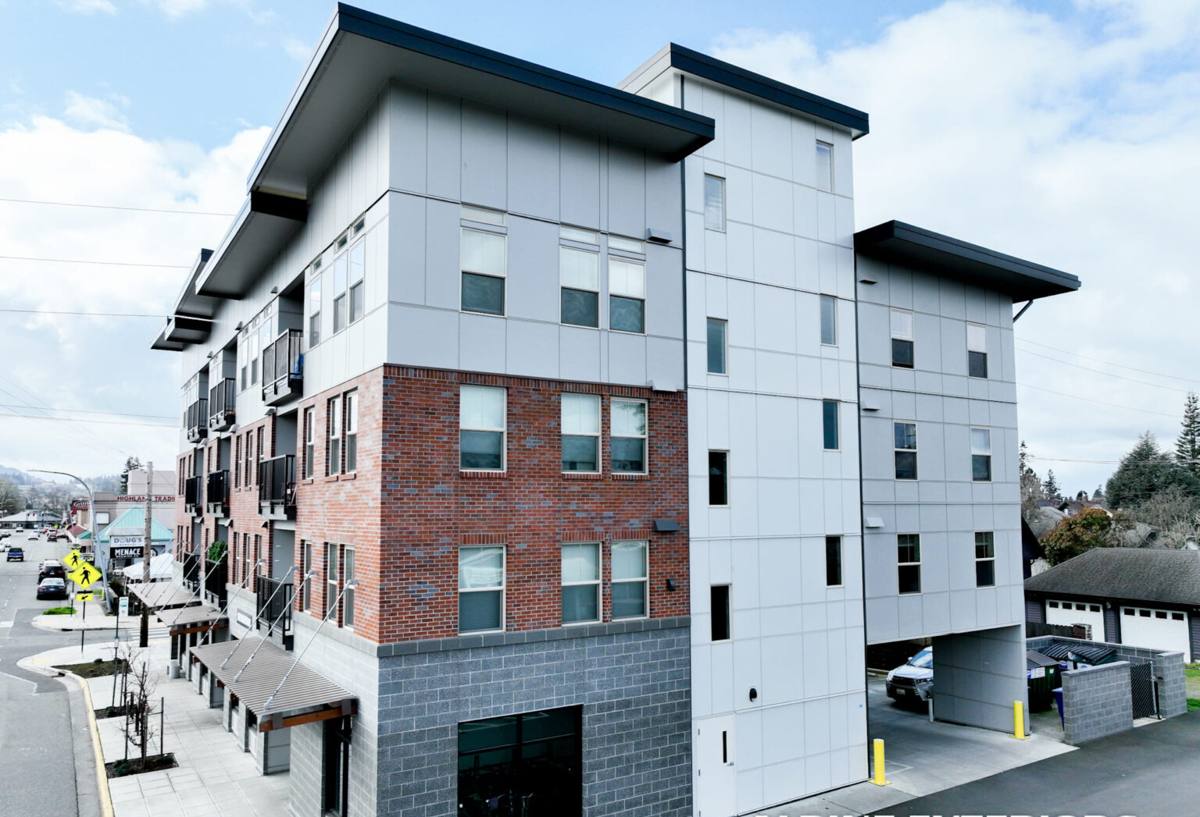
What Salt Air, Driving Rain, and Moss Actually Do to a Home's Siding
Salt Air
Airborne salt is corrosive to exposed metal fasteners, flashing, and trim, and it's abrasive to painted finishes over time. Products that rely on a field-applied paint job — primed wood, some engineered wood siding — see that finish break down faster near the water than it would a few miles inland. Once the protective coating is compromised, moisture gets underneath it, and that's where real damage starts.
Driving Rain
Wind-driven rain doesn't just fall on siding, it gets pushed into every gap, seam, and lap. Siding systems depend on correct overlap, flashing, and drainage details to shed that water before it reaches the wall assembly. When those details are done wrong — or when the material itself absorbs water rather than shedding it — you get swelling, soft spots, and eventually rot in the sheathing behind the siding, not just the siding itself.
Moss and Algae Season
Whatcom County's moss season runs long, and shaded, moisture-retentive siding surfaces are where it thrives. Moss holds water against the siding surface, which keeps the material wet far longer than it should be. On materials that aren't dimensionally stable when wet, that constant damp cycle is what drives premature failure at seams, butt joints, and fastener penetrations.
Why We Install Only James Hardie Fiber Cement Here
We don't install LP SmartSide, vinyl, Cemplank, Allura, primed spruce, or cedar. That's not a marketing position — it's a standard we hold because of what we see on waterfront and near-waterfront homes in this county. Vinyl expands and contracts with temperature swings and can distort or crack over time in exposed coastal wind. Wood-based and engineered wood products depend on a paint film and edge sealing to stay watertight, and salt air combined with constant moisture is exactly the environment that stresses that protection the fastest.
James Hardie fiber cement is non-combustible, doesn't support the kind of moisture-driven swelling that plagues wood-based products, and holds a factory-applied ColorPlus finish that's baked on rather than field-painted. That finish is a real advantage in a place like Sandy Point, where a field-applied paint job is fighting salt air and rain from day one. It's also why the warranty coverage on Hardie's finish is meaningfully different from what you get on a product painted after installation.
The HardieZone System
James Hardie engineers its siding for specific climate zones (HZ5 and HZ10), which matters more here than in drier parts of the country. Whatcom County's damp, marine climate is exactly the kind of exposure the HZ5 product line is built to handle — it's not a generic siding board, it's formulated for regions that see sustained moisture and temperature swings without long dry stretches to let materials fully recover between weather events.
What a Correct Fiber Cement Installation Involves
Fiber cement is only as good as the installation behind it. In a wind- and rain-exposed location like Sandy Point, the details matter more than the material choice itself. A correct job includes:
- Proper weather-resistive barrier and flashing at every window, door, and penetration before a single board goes up
- Correct minimum clearance between siding and grade, decks, roof lines, and other horizontal surfaces so water has somewhere to go
- Manufacturer-specified fastener type, spacing, and depth — corrosion-resistant fasteners are non-negotiable this close to salt air
- Properly sized gaps at butt joints and trim with the correct sealant, not caulk used as a substitute for a missing drainage gap
- Factory-cut and factory-primed edges kept intact, with field cuts sealed per manufacturer specification
- Correct lap and overlap dimensions sized for the wind and rain exposure the home actually faces
Skip any one of these and you can still end up with moisture problems behind fiber cement siding — the material is only doing its job if the installation lets it.
How Fiber Cement Compares in a Coastal, Wet Climate
| Material | Moisture Behavior | Salt Air Exposure | Moss/Algae Resistance | Finish Longevity |
|---|---|---|---|---|
| James Hardie Fiber Cement | Dimensionally stable, doesn't swell or rot | Non-combustible, holds up well with correct fasteners | Firm surface resists moss root-in better than porous wood | Factory-baked ColorPlus finish, not field-painted |
| Vinyl | Doesn't absorb water, but can warp/distort with heat and wind stress | Generally inert, but seams and fasteners are weak points | Smooth surface but seams trap debris and moisture | Color molded in, but fades and becomes brittle over decades |
| Cedar / Primed Wood | Absorbs and releases moisture; prone to swelling and cupping | Paint film degrades faster in salt air | Porous surface is prime territory for moss and algae | Field-applied paint requires ongoing recoating |
| Engineered Wood (LP-type) | Depends heavily on intact edge sealing to resist moisture | Compromised finish accelerates moisture intrusion | Any coating breakdown exposes wood substrate to growth | Field-applied or factory finish varies by product |
Our Process for a Sandy Point Fiber Cement Job
1. On-Site Assessment
We look at the home's actual exposure — how much direct wind and salt spray it takes off the water, where shade keeps siding wet longer, and what the existing wall assembly and moisture barrier look like before we ever price a job.
2. Removal and Substrate Check
Old siding comes off and we check the sheathing and weather barrier underneath for existing moisture damage. In a wet, coastal neighborhood like this, catching hidden rot now is far cheaper than covering it up and finding it again in five years.
3. Weather Barrier and Flashing
We install or repair the weather-resistive barrier and flash every window, door, and penetration correctly before siding goes on — this is the step that determines whether water actually gets managed or just hidden.
4. James Hardie Installation to Spec
Boards go up per James Hardie's published installation instructions for our climate zone: correct fastening, clearances, joint treatment, and trim detailing, with everything sealed against wind-driven rain.
5. Final Walkthrough
We walk the finished exterior with the homeowner, check clearances and sealant lines, and make sure everything is ready for what a waterfront winter will throw at it.
Living With Moss Season: A Practical Checklist
Fiber cement siding installed correctly resists moss far better than porous materials, but no siding is entirely maintenance-free in a climate like this. A few habits go a long way:
- Trim back overhanging branches and vegetation that keep siding shaded and damp longer than necessary
- Rinse siding periodically to clear salt residue and organic buildup before it takes hold
- Keep gutters and downspouts clear so roof runoff isn't sheeting down the siding face
- Check caulking at trim and penetrations annually — sealant is the first thing to wear in driving rain
- Address any soft spots, staining, or discoloration early rather than waiting for a full season to pass
Why Hiring a Crew That Already Works Sandy Point Matters
A crew that only occasionally works this close to the water can underestimate what the exposure actually demands — the fastener spec that's fine three miles inland isn't necessarily fine on a waterfront lot taking direct wind off the Strait. We work throughout Birch Bay and the surrounding Whatcom County coastline regularly enough to know which details can't be shortcut here, and we install one material system so there's no guesswork about which manufacturer's spec sheet applies to your home.
If you're weighing a siding replacement or repair in Sandy Point, we're happy to take a look at your home, talk through what your specific exposure calls for, and give you a straightforward, no-pressure estimate using the form below.