 Birch Bay Siding
 Semiahmoo's Coastline Puts Real Stress on Exterior Siding
Homes along the Semiahmoo shoreline in the Birch Bay area of Whatcom County face a combination of exterior stressors that inland siding jobs rarely have to account for. Salt-laden air moves off the water and settles on every exposed surface. Wind-driven rain finds its way into seams and laps that would stay dry a few miles inland. And the region's long, damp moss season keeps north-facing walls and shaded elevations wet for weeks at a time. None of these things are dramatic on their own, but stacked together year after year, they're exactly the conditions that separate a siding job that lasts three decades from one that starts failing in eight or ten years.
This page is specifically about fiber cement siding installation for Semiahmoo properties — not a general overview of siding options. If you're weighing whether fiber cement is the right call for a home in this exact location, or you already know you want it and want to understand what a correct installation looks like here, this is written for you.
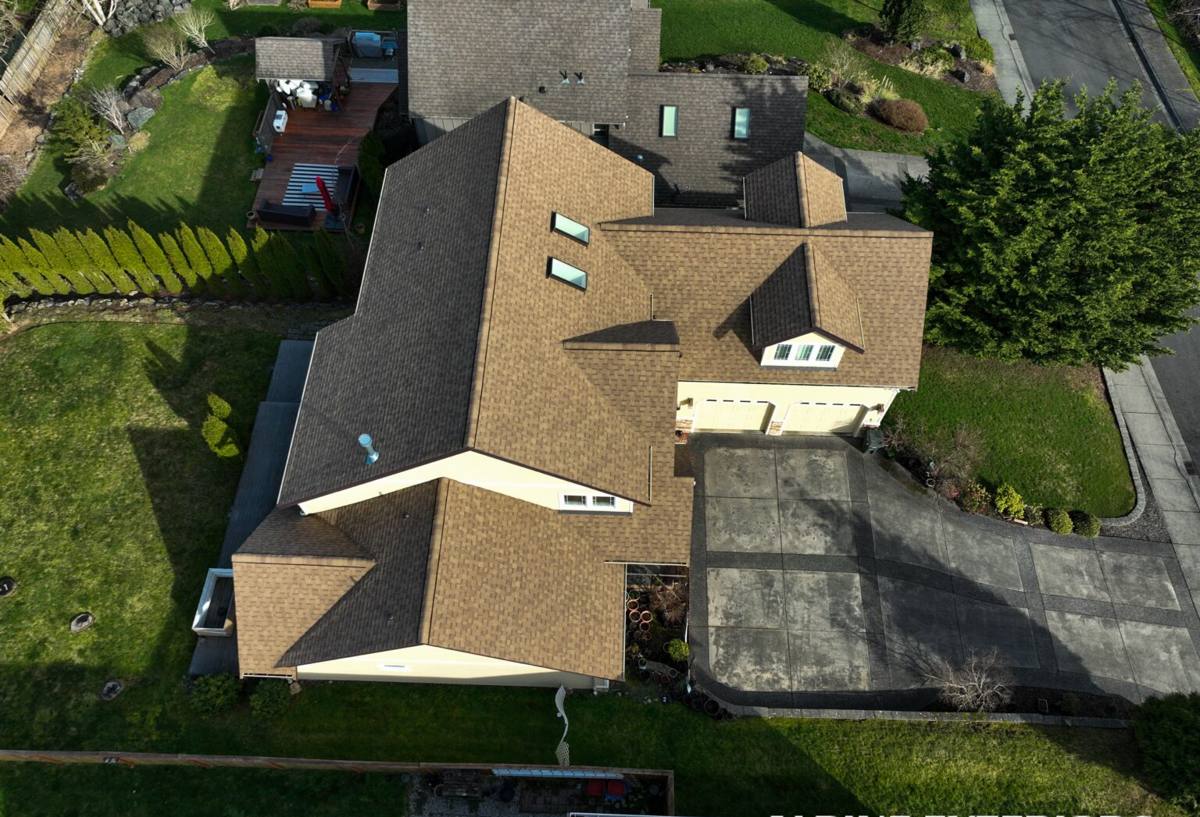
What Salt Air, Driving Rain, and Moss Season Do to a Home's Exterior
Salt Air and Corrosion
Salt air doesn't just look and smell different near the water — it's chemically more aggressive toward exposed metal, fasteners, and any siding material that relies on a painted or coated surface film to stay protected. Over time, salt exposure accelerates the breakdown of low-quality coatings and speeds up corrosion on trim, flashing, and fastener heads that aren't rated for it. A siding system's finish and hardware both need to be chosen with that in mind, not just its base material.
Wind-Driven Rain and Wall Moisture
Open exposure to Semiahmoo's water frontage means rain doesn't always fall straight down — it drives sideways under gusts, which pushes water into laps, seams, and butt joints that a calmer inland site would never test. Siding that depends on a tight, well-sealed installation to keep water out will eventually find the gaps in a poor install. This is a big reason why installation quality matters as much as material choice out here.
The Long Moss Season
Whatcom County's mild, wet winters and shaded, tree-lined lots keep exterior walls damp for extended stretches, which is exactly what moss and algae need to take hold. Moss on siding isn't just cosmetic — it holds moisture against the surface longer than it would otherwise sit there, which matters a great deal for any siding material that isn't inherently rot- and moisture-resistant.
Why We Install Only James Hardie Fiber Cement Siding Here
We standardized on James Hardie fiber cement siding for every job we do, including here in the Semiahmoo and Birch Bay area, and we don't install vinyl, LP SmartSide, or cedar. That's a deliberate professional standard, not a sales position, and it's worth explaining honestly.
Fiber cement is a cement-and-cellulose composite that doesn't rot, doesn't feed moss and mildew the way wood-based products can, and holds up to the freeze-thaw and wet-dry cycling that's routine in a coastal Whatcom County winter. James Hardie's HZ5 product line is engineered specifically for regions with cold, wet weather patterns like ours, and its ColorPlus finish is a factory-applied, baked-on coating that resists fading and chipping far better than field-applied paint — which matters directly for salt-air exposure, since a factory finish doesn't rely on a contractor getting perfect paint adhesion on-site. It's also non-combustible, which is a real advantage during wildfire smoke and ember season even this far north and west.
We're not going to tell you other siding products are junk — vinyl is inexpensive and low-maintenance in the right setting, and cedar has genuine visual warmth that some homeowners want. But for the specific combination of salt air, driving rain, and sustained moisture exposure that Semiahmoo properties deal with, we've seen enough jobs over enough years to know which material and installation approach holds up without surprises. That's fiber cement, installed correctly, and it's the only thing we put our name behind.
What a Correct Fiber Cement Installation Involves in a Coastal Climate
Fiber cement siding is only as good as the installation behind it. The board itself is durable, but water management happens in the details underneath and around it — and those details matter more here than in a drier, more sheltered location.
Water-Resistive Barrier and Flashing Details
Every correct installation starts with a continuous water-resistive barrier behind the siding, properly lapped and sealed at every penetration, window, and door. Flashing at heads, sills, and any horizontal trim transition has to shed water outward, not just sit there decoratively — this is where wind-driven rain gets stopped before it ever reaches the sheathing.
Fastening and Clearances
James Hardie specifies fastener type, spacing, and placement for a reason, and in a salt-air environment we pay particular attention to corrosion-resistant fastener hardware. Proper clearance from grade, roof lines, and decks also keeps the bottom course of siding from sitting in a moisture trap, which is a common failure point on homes near water.
Trim, Caulking, and Paint Lines
Cut edges of fiber cement board need to be sealed and painted per manufacturer specification — an exposed, unsealed cut edge is one of the few ways moisture can get into the board itself. Caulking joints are kept to manufacturer-approved locations rather than used as a substitute for correct flashing, since caulk is a maintenance item, not a structural water barrier.
Our Process for Semiahmoo Siding Projects
- Assessment and measurement: We walk the property, check existing siding and sheathing condition, note moisture or moss patterns on specific elevations, and take precise measurements.
- Product and color selection: We help you choose the right Hardie board profile and ColorPlus finish for the home's exposure and your preferences.
- Tear-off and prep: Old siding comes off, sheathing is inspected and repaired where needed, and the water-resistive barrier goes on correctly the first time.
- Installation: Boards, trim, and flashing go in to manufacturer specification, with extra attention to the elevations facing prevailing wind and water.
- Final inspection and walkthrough: We check fastening, caulking, and paint lines, then walk the finished job with you before calling it done.
Cost Factors for Fiber Cement Siding in Semiahmoo
Every home is different, and we'll give you an exact number after a walkthrough — but these are the main variables that move a fiber cement project's cost up or down, and why they matter more or less in a coastal setting like this one.
| Cost Factor | Why It Matters Here | Relative Cost Impact |
|---|---|---|
| Existing wall condition | Moisture or rot behind old siding requires sheathing repair before new siding goes on | Moderate to High |
| Home exposure to wind and water | Elevations facing open water or prevailing wind need more careful flashing and fastening detail | Moderate |
| Siding profile and trim complexity | Lap width, panel accents, and trim detail affect material and labor time | Low to Moderate |
| ColorPlus finish selection | Factory-finished color options vary slightly in cost by line | Low |
| Access and site conditions | Waterfront lots, tight setbacks, or difficult staging can affect labor time | Low to Moderate |
Maintenance Semiahmoo Homeowners Actually Need to Do
One of the real advantages of a correctly installed fiber cement system is how little upkeep it demands compared to wood or older paint systems — but "low maintenance" isn't "no maintenance," especially this close to the water. A short annual routine keeps the siding, and its warranty coverage, in good shape.
- Rinse the exterior once or twice a year to clear off salt residue, especially on water-facing walls
- Check north-facing and shaded elevations for moss or algae buildup at the start and end of the wet season
- Look over caulking at trim joints and window edges annually and have any cracked or missing sections redone
- Keep gutters clear so overflow isn't running down the siding face
- Trim back vegetation and shrubs that are holding moisture or shade directly against a wall
- Have a professional check flashing and fastener condition if you notice a specific area staying damp longer than the rest of the house
Why Hiring a Crew That Already Works This Coastline Matters
A siding crew that primarily works inland jobs can install fiber cement correctly by the book and still miss the details that matter specifically for a Semiahmoo property — how much clearance to leave near water-facing grade, which elevations need extra attention to flashing because of prevailing wind direction, or how the local permitting process handles waterfront and shoreline-adjacent properties in Whatcom County. Crews that already work this area have seen how these homes actually perform over years, not just at handoff, and that experience shows up in the choices made during installation, not just the finished look.
It also means fewer surprises during the project itself — realistic scheduling around regional weather patterns, familiarity with the kind of wall conditions common to older Birch Bay-area homes, and a working relationship with how things get done locally rather than a generic approach dropped in from elsewhere.
If you're considering fiber cement siding for a home in Semiahmoo or anywhere in the Birch Bay area, we're happy to walk the property and give you a straightforward, no-pressure estimate — just fill out the form below to get started.