 Birch Bay Siding
 Roofing in Semiahmoo Isn't the Same Job as Roofing Inland
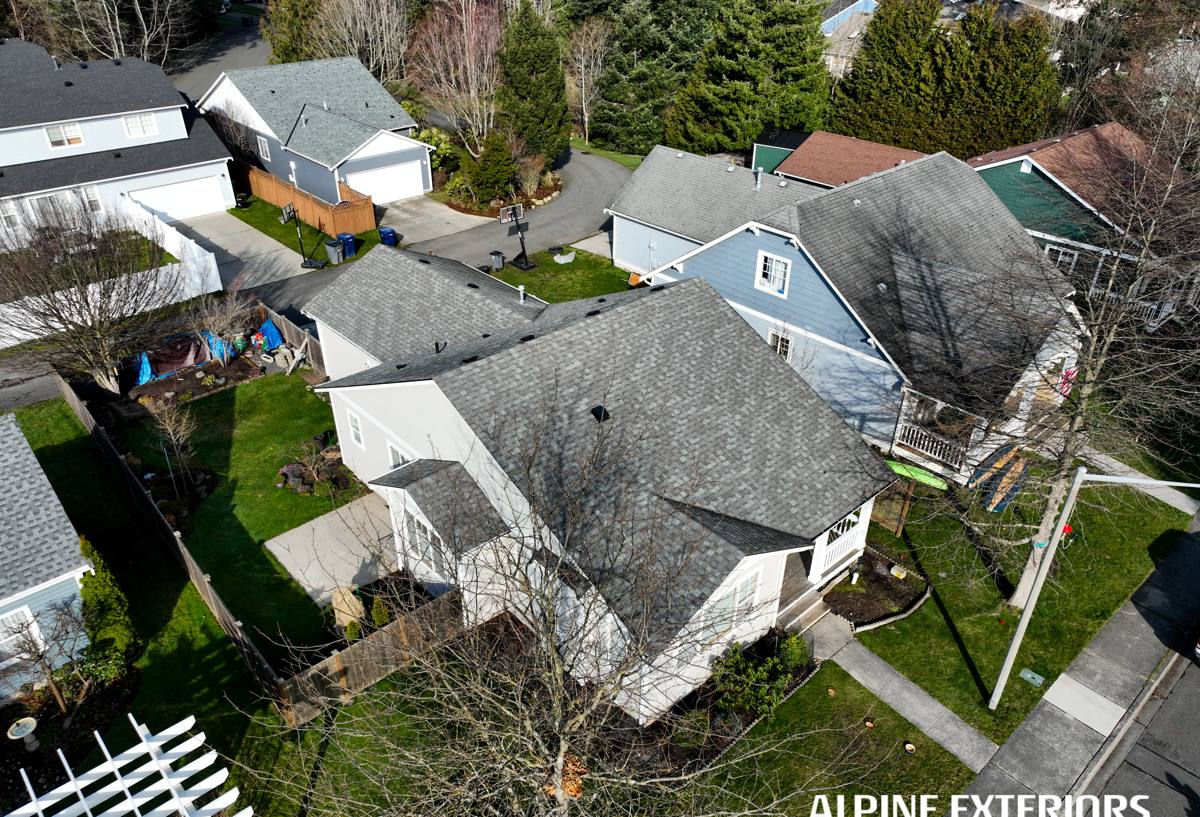
Semiahmoo sits right up against the water, and that changes what a roof has to survive. Homes here take on salt-laden air, wind-driven rain coming straight off the water, and a wet season that runs long even by Whatcom County standards. A roof replacement in this part of Birch Bay needs to be planned around those conditions from the first shingle to the last piece of flashing, not just installed the same way a crew would handle a job twenty miles inland.
This page covers what a Semiahmoo roof replacement actually involves: what the local climate does to roofing materials over time, what a correct tear-off and install looks like, and why a crew that already works this specific stretch of coastline tends to get better long-term results than a crew doing its first waterfront job.
What the Climate Does to a Roof Here
Salt Air and Slow Metal Corrosion
Airborne salt doesn't stay at the water's edge. It travels on the wind and settles on roofing metal, fasteners, and flashing throughout Semiahmoo and the rest of Birch Bay. Left unaddressed, that salt exposure speeds up corrosion on anything that isn't rated for a marine environment. Standard fasteners can show rust streaks years before they would inland, and unprotected flashing can pit and weaken at the seams where leaks actually start.
Driving Rain and Wind-Driven Water
Rain on this stretch of coast rarely falls straight down. Wind off the water pushes it sideways, which means water gets tested against every seam, lap, and penetration on a roof, not just the open field of shingles. A roof that would hold up fine in calmer conditions can still leak here if the underlayment, flashing details, and edge work weren't built with wind-driven rain in mind.
A Long Moss Season
Between the marine moisture and the shade many Semiahmoo lots get from mature trees, moss has a long growing window here, often close to year-round. Moss holds moisture against the roof surface, works into shingle laps, and can lift edges enough to let water underneath. A roof replacement is the right time to build in moss resistance rather than fighting it after the fact.
Signs a Semiahmoo Roof Is Telling You It's Done
Coastal roofs don't always fail with one dramatic leak. More often the signs show up gradually:
- Granule loss showing up in gutters or at downspout outlets
- Shingles that are cupping, curling, or losing their tab lines
- Moss or algae streaking that keeps coming back after cleaning
- Rust staining around flashing, vents, or metal valleys
- Soft spots or sagging underfoot, especially near valleys
- Daylight visible through the attic or roof deck
- Interior ceiling stains that show up after wind-driven storms specifically
- A roof that's simply reaching the end of its material's realistic lifespan
Any one of these on its own might not mean full replacement. But on a Semiahmoo home, a combination of two or three, especially paired with a roof that's already well past its mid-life, usually means repair is a short-term patch rather than a real fix.
Choosing a Material That Actually Fits This Location
Every roofing material handles salt air, wind-driven rain, and moss differently. None of them are wrong choices everywhere, but for a Semiahmoo home the trade-offs matter more than they would further inland.
| Material | How It Handles Salt Air & Moisture | Moss Resistance | Maintenance Burden |
|---|---|---|---|
| Architectural asphalt shingle (algae-resistant) | Good with proper flashing and fasteners; standard-grade shingles age faster here | Better with copper- or zinc-treated granules | Moderate — periodic moss and gutter checks |
| Standing-seam metal | Very good when specified in a coastal-rated finish; poor if the wrong coating is used | Very good, sheds moss easily | Low once installed correctly |
| Synthetic or composite shingle | Good; resists moisture absorption better than natural wood products | Good | Low to moderate |
| Cedar shake | Struggles without diligent upkeep in salt air and constant moisture | Poor without regular treatment | High |
We don't install cedar shake on Semiahmoo homes as a rule, not because it's a bad product everywhere, but because the upkeep it needs to stay sound in this specific climate, regular treatment, aggressive moss control, careful ventilation, is a heavier ongoing commitment than most homeowners want on a waterfront-exposed roof. Asphalt, metal, and composite options all give a more predictable long-term result here with less maintenance.
What a Correct Replacement Actually Involves
A roof replacement is more than swapping old shingles for new ones. Done right, especially in this climate, it includes:
- Full tear-off to the deck, not a layover, so the deck itself can be inspected for rot or soft spots
- Deck repair where needed before anything new goes down
- A synthetic or high-quality underlayment rated for wind-driven rain, not just standard felt
- Ice-and-water shield at eaves, valleys, and penetrations, where wind-driven rain and moss buildup do the most damage
- Corrosion-resistant fasteners and flashing suited to a marine environment
- Proper attic and roof ventilation, which reduces moisture buildup and helps slow moss regrowth
- Algae- or moss-resistant shingle or metal selection based on the home's shade and exposure
- Careful detailing at valleys, chimneys, and vent penetrations, the places where wind-driven rain actually gets in
Skip any one of these steps and the roof might look fine for a year or two before the shortcuts show up as a leak or premature wear.
How We Handle a Semiahmoo Roof Replacement
Every job starts with an on-site inspection, not a guess from a photo. We look at the current roof's condition, the deck underneath where it's accessible, existing ventilation, and how the home is actually exposed to wind and rain given its position and surrounding trees.
From there we walk through material options with the trade-offs specific to that home, not a one-size-fits-all recommendation, and put together a written estimate that spells out what's included: tear-off, underlayment, flashing, fasteners, and ventilation work, not just "shingles installed."
During tear-off, we check the deck for hidden rot before covering it back up. This is often where older Semiahmoo roofs reveal problems that weren't visible from the ground. Once the deck is sound, we build the roof back up in the order that actually keeps water out: underlayment, ice-and-water protection at vulnerable points, flashing, then the finish material. We clean up thoroughly, including a magnetic sweep for stray fasteners, and walk the finished roof with the homeowner before calling the job done.
Why a Crew That Already Works Semiahmoo Matters
A roofing crew that regularly works this part of Birch Bay already knows which flashing details tend to fail here, which sides of a home take the worst of the wind-driven rain, and how aggressively moss comes back on shaded lots near the water. That's not something a generic estimate can capture. It comes from having done the work in this specific microclimate before.
It also matters for permitting and inspection. A crew that regularly pulls permits in Whatcom County already knows the local requirements and process, which keeps a project moving instead of stalling on paperwork a homeowner has to chase down alone.
What Drives the Cost of a Semiahmoo Roof Replacement
Every roof is priced individually after inspection, but the same factors move the number up or down on most jobs in this area:
| Factor | Why It Matters Here |
|---|---|
| Roof size and pitch | More surface area and steeper pitches mean more material and labor time |
| Deck condition | Hidden rot found during tear-off adds repair work before the new roof can go on |
| Material choice | Metal and premium algae-resistant shingles cost more upfront but usually need less upkeep in salt air |
| Number of valleys, penetrations, and chimneys | Each one needs careful flashing, which is where wind-driven rain gets in if it's rushed |
| Access and site conditions | Steep lots, tree cover, or tight driveway access near the water can affect setup and disposal |
| Existing layers of roofing | Removing multiple old layers takes more labor than a single-layer tear-off |
As a broad range, full roof replacements on typical single-family homes in this area often land somewhere in the low-to-mid five figures, with the specifics depending heavily on the factors above. The only way to get an accurate number is a real inspection; anything quoted without one is a guess.
Protecting a New Roof After Installation
A correctly installed roof still needs basic upkeep to reach its full lifespan in this climate. A short list worth keeping to:
- Clear gutters and downspouts at least twice a year, more often under overhanging trees
- Watch for moss regrowth, especially on shaded north-facing slopes
- Trim back branches that shade the roof or drop debris onto it
- Check flashing and sealant at penetrations after major windstorms
- Have the roof looked at after any unusually severe wind-driven rain event
- Avoid pressure washing shingles; it strips granules and shortens their life
None of this is complicated, but skipping it is how a well-installed roof loses years off its expected lifespan in a place like Semiahmoo.
If your roof is showing wear, or you just want an honest read on how much life it has left, we're glad to take a look. The estimate is free, there's no pressure to move forward, and you'll get a straight answer about what your roof actually needs, not an upsell. Use the form below to get started.