 Birch Bay Siding
 Point Roberts Siding Takes a Different Kind of Beating
Point Roberts sits in a unique spot geographically — a small peninsula cut off from the rest of Washington State by an international border, surrounded on three sides by water. That exposure means homes here deal with a steady diet of salt-laden air coming off the water, driving rain that comes in sideways during winter storms, and a moss season that seems to stretch longer every year in this corner of Whatcom County. None of that is unique to any one house on the peninsula — it's just what siding has to survive here, year after year.
Siding that would hold up fine forty miles inland often shows problems faster in Point Roberts. Salt air accelerates corrosion on fasteners and trim. Persistent moisture feeds moss and algae growth on north-facing walls and anything shaded by trees. And wind-driven rain finds its way into seams, joints, and corners that a calmer climate would never test. Repair work here isn't just patching a hole — it's addressing why that hole formed in the first place.
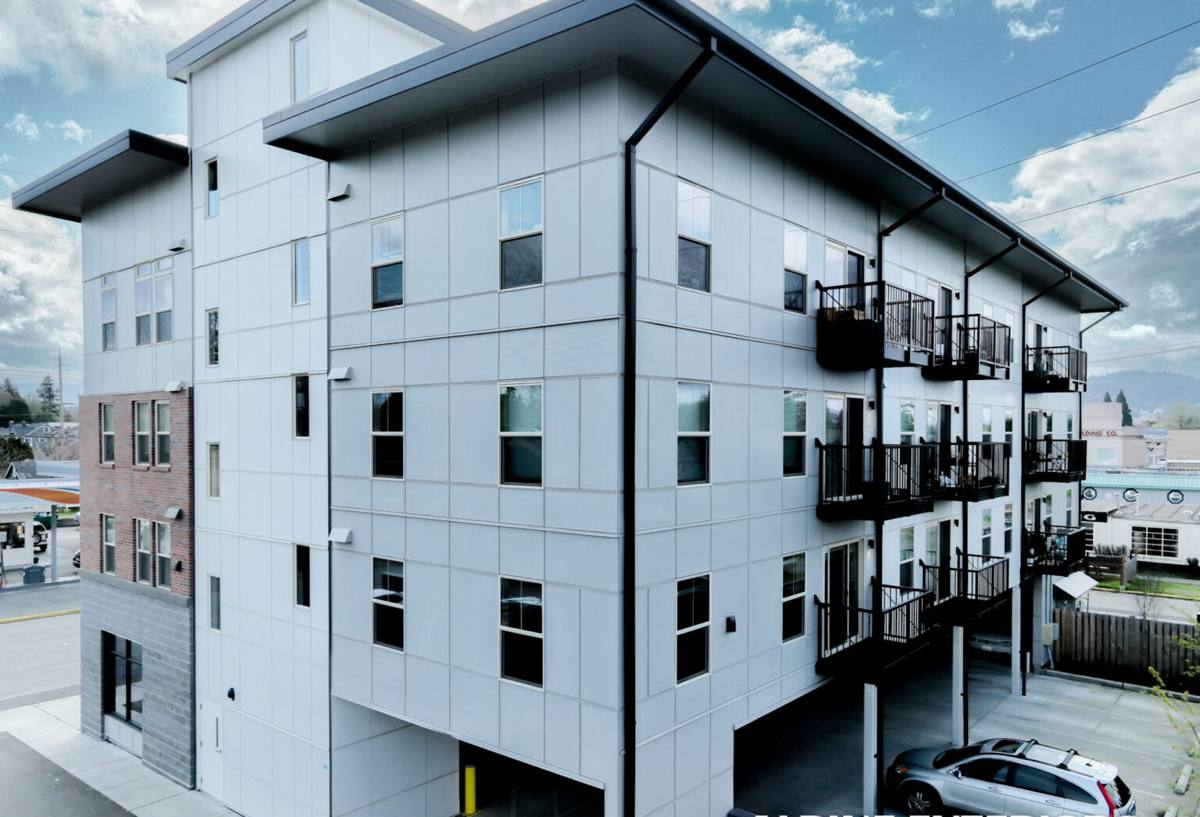
Common Siding Damage We Find in Point Roberts Homes
Moisture Intrusion Behind the Siding
The damage you can see — a soft spot, a stain, a warped board — is rarely the whole story. Water that gets behind siding travels along sheathing and framing before it shows up as a visible problem, often well below or beside where the actual failure point is. A repair that only addresses the visible symptom without tracing the water's path tends to fail again within a season or two.
Moss and Algae Staining
Shaded walls, gutters that overflow, and the general dampness of a long Pacific Northwest winter all contribute to moss and algae taking hold on siding surfaces. Beyond the cosmetic issue, sustained moss growth holds moisture against the siding material, which matters a great deal depending on what that siding is made of.
Fastener and Trim Corrosion
Salt air is hard on metal. Nail heads, trim flashing, and fastener systems that aren't rated for coastal exposure can corrode, streak, and eventually fail well before the siding field itself wears out. A repair that reuses compromised fasteners is a repair that's already on borrowed time.
Seam and Joint Failure
Wind-driven rain doesn't need much of a gap to find its way in. Butt joints, corner boards, and areas around windows and doors are where driving rain concentrates, and they're where we see the most repeat problems on homes that got a quick caulk-and-paint fix instead of a proper repair.
What a Correct Siding Repair Actually Involves
A repair that lasts starts with diagnosis, not demolition. Before we remove a single board, we're figuring out how water got in, how far it traveled, and what condition the structure behind the siding is in. Skipping that step is the single biggest reason siding repairs fail early.
Tracing the Damage, Not Just Patching It
We open up the affected area enough to see the sheathing, house wrap, and framing underneath. If there's rot or soft wood, that gets addressed — patching over compromised sheathing just hides a problem that will resurface, usually bigger.
Restoring the Water-Resistive Barrier
Siding is the visible layer, but the water-resistive barrier and flashing details behind it are what actually keep a house dry. Any repair we do re-establishes proper flashing and drainage paths — lapped correctly, sealed at penetrations, and shedding water down and out rather than trapping it.
Matching Materials the Right Way
A patch that doesn't match in material, thickness, or finish stands out and often performs differently than the surrounding siding, which can create new problem spots at the seam. We match new sections to the existing product as closely as the original manufacturer's line allows, and where an exact match isn't realistic, we're upfront about that before work starts.
Fasteners Built for This Climate
Given the salt exposure on the peninsula, we use fastener and flashing materials rated for coastal conditions rather than whatever happens to be on the truck. It costs a little more up front and saves the callback.
Repair or Replace? A Straight Answer
Not every siding problem needs a full re-side, but not every problem is a good candidate for a spot repair either. Here's how we think through it:
| Situation | Repair Usually Makes Sense | Replacement Usually Makes Sense |
|---|---|---|
| Damage extent | Isolated to one wall, corner, or a handful of boards | Spread across multiple elevations or recurring in several spots |
| Underlying structure | Sheathing and framing test dry and sound | Rot has spread into structural framing or across large sheathing sections |
| Siding material | Still available or closely matchable, in decent shape elsewhere | Discontinued, faded unevenly, or nearing the end of its service life overall |
| Root cause | A specific, fixable failure point (one bad flashing detail, one impact) | Systemic moisture issues tied to the product or original installation |
| Cost over time | One-time fix addresses the problem for years | Repeated repairs would likely cost more than replacing over time |
We'll always tell you honestly which category your situation falls into. There's no benefit to us in talking a homeowner into a full replacement when a well-done repair will hold — and no benefit in patching something that's going to keep failing.
Factors That Affect Repair Scope and Cost
| Factor | Why It Matters |
|---|---|
| Access to the damaged area | Second-story walls, tight setbacks, and landscaping affect labor time |
| Extent of hidden damage | Not known until we open the wall — this is why we won't quote blind |
| Material availability | Matching an older siding line can require sourcing or custom color work |
| Weather window | Point Roberts' rain patterns can limit how many dry days we have to work in |
Our Point Roberts Repair Process
1. On-Site Inspection
We look at the visible damage and check surrounding areas — siding problems on one wall are often an early warning for conditions developing elsewhere on the house, especially on sides that take the brunt of the weather.
2. Opening the Wall
Before quoting a final scope, we open the affected section to check the sheathing, framing, and existing water barrier. This is the step that separates an honest repair estimate from a guess.
3. Repair Plan and Estimate
You get a clear explanation of what we found, what needs to happen, and what it costs — including whether we think repair is the right call or whether we'd recommend a larger scope, and why.
4. The Repair Itself
Structural issues get addressed first, then the water barrier and flashing are restored, then matched siding goes back on with corrosion-resistant fasteners suited to this coastal environment.
5. Final Check
We walk the repair with you before we consider the job finished, and we're straightforward about any maintenance steps that will help it last — this isn't a walk-away-and-hope service.
Why We Only Repair With James Hardie Fiber Cement
We install James Hardie fiber cement siding exclusively, and that shapes how we approach repairs too. Fiber cement doesn't absorb and swell with moisture the way wood-based products can, and it isn't vulnerable to the kind of UV and impact degradation that affects vinyl over time. For a peninsula environment with constant salt air and a long wet season, that matters more than it does in a drier climate.
Hardie's ColorPlus factory finish also means repaired sections can be matched more consistently than field-painted materials, since the color is baked on at the factory rather than applied on-site under variable weather. And Hardie's HZ5 product line is engineered specifically for wetter, harsher climates — which is exactly the profile Point Roberts fits. When we do encounter other siding materials on a repair call, we'll still give you an honest assessment of the situation, but our own installation and warranty work is Hardie only, based on how it holds up over the long run.
Why a Crew That Already Works Point Roberts Matters
Point Roberts' geography isn't just a climate factor — it's a logistics one. Getting crews, materials, and equipment to the peninsula involves planning that a contractor unfamiliar with the area often doesn't account for, which can turn a simple repair into a scheduling headache. A crew that regularly works this part of Whatcom County already has that figured out, along with a working knowledge of how the local microclimate — the salt exposure, the shaded moss-prone walls, the wind-driven rain patterns — tends to show up on houses here.
That familiarity shows up in small but real ways: knowing which elevations typically take the worst weather, which fastener specs actually hold up long-term in this air, and how to sequence a repair around a realistic dry-weather window instead of guessing.
Signs Your Siding May Need Repair
- Soft or spongy spots when you press on the siding
- Visible staining, streaking, or persistent moss/algae growth
- Cracked, warped, or separating boards, especially at seams and corners
- Peeling or bubbling paint that keeps coming back after repainting
- Rust streaks around fasteners or trim
- A musty smell or visible moisture on interior walls near exterior siding
What to Ask Before You Hire Anyone for Siding Repair
- Will you open the wall to check for hidden damage before finalizing the scope?
- What fastener and flashing materials do you use, and are they rated for coastal exposure?
- Can you match my existing siding material and finish, or will there be a visible difference?
- What's your plan if you find rot or structural damage once the wall is open?
- Do you carry proper licensing and insurance for work in Whatcom County?
- What warranty applies to the repair itself, separate from any manufacturer warranty?
Keeping Repaired Siding in Good Shape
A well-done repair should be close to maintenance-free, but a few habits extend the life of any siding on this peninsula. Keep gutters clear so water isn't sheeting down walls. Trim back vegetation that shades siding and traps moisture against it. Rinse off salt residue and organic buildup periodically, especially on walls facing the water. And if you notice a small issue — a hairline crack, a spot of staining — dealing with it early is almost always cheaper and simpler than waiting for it to spread.
If you're seeing signs of trouble on your siding, or you just want a second opinion on a repair another contractor quoted, we're happy to take a look. Reach out for a free, no-pressure estimate using the form below — we'll tell you honestly what we find and what it would take to fix it right.