 Birch Bay Siding
 Roofing in the Terrell Creek Area: A Different Kind of Wear
Homes in and around Terrell Creek sit close enough to the water that the air itself works against a roof, day in and day out. Salt-laden marine air, wind-driven rain off the Strait, and a moss season that can run most of the year put a different kind of stress on a roof than you'd see twenty miles inland in Whatcom County. A roof system that would hold up fine in a drier, more sheltered spot can wear out early here if it wasn't built with this specific exposure in mind.
This page is about one job, done right, in one area: replacing a roof on a Terrell Creek home so it actually performs under these conditions for its full expected lifespan, not just until the first hard winter exposes a weak point.
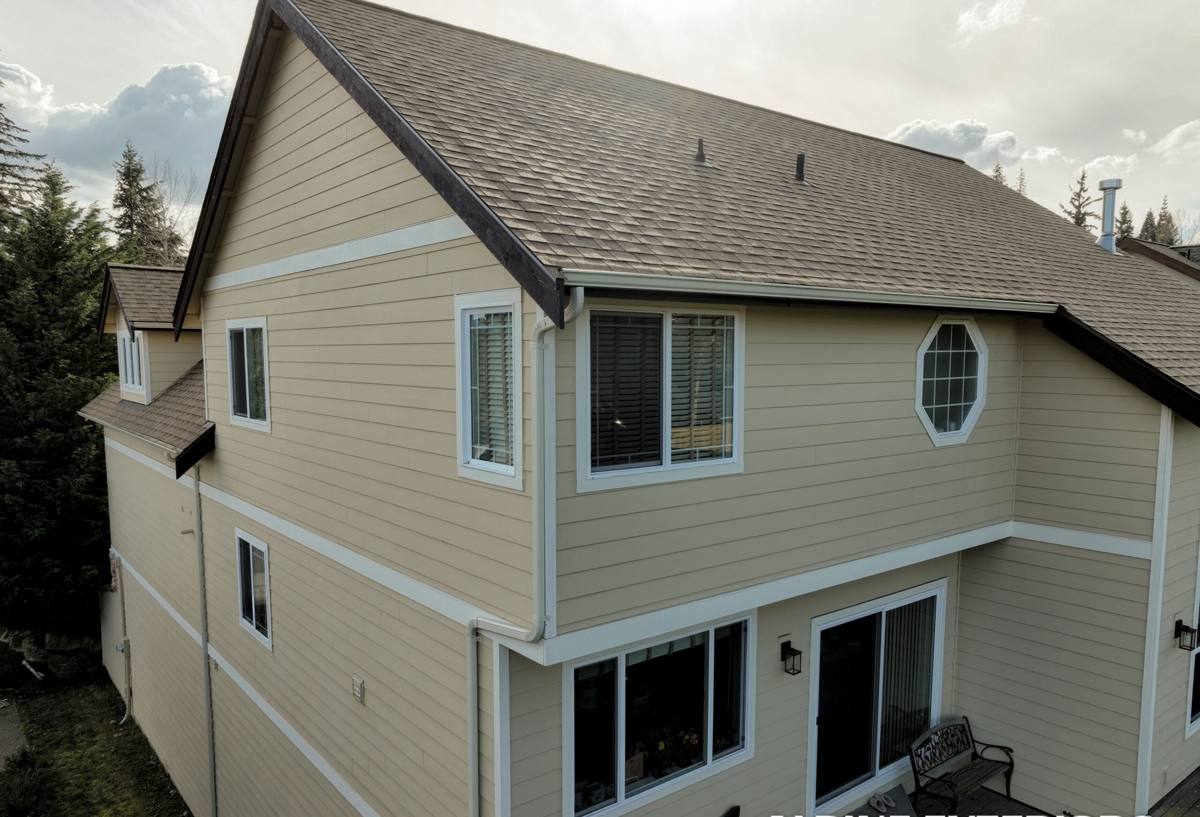
What Salt Air, Rain, and Moss Do to a Roof Over Time
Salt Air and Metal Fatigue
Salt in the air accelerates corrosion on anything metal — flashing, fasteners, vents, and drip edge. Standard fasteners and untreated flashing can start showing rust and pitting years before they would in a non-coastal setting. Once a fastener corrodes, the seal around it weakens, and that's exactly where leaks start.
Driving Rain and Wind-Driven Moisture
Birch Bay gets its share of storms where rain doesn't just fall straight down — it comes in sideways. That kind of driving rain finds any gap in flashing, any lifted shingle tab, or any underlayment seam that wasn't properly lapped. A roof detailed for a calmer climate often isn't detailed tightly enough for wind-driven rain, and homeowners find out the hard way, usually in the attic or along an interior wall.
Moss, Shade, and a Long Wet Season
Whatcom County's damp, mild winters and shaded, tree-lined lots around Terrell Creek are close to ideal growing conditions for moss. Moss holds moisture against the roofing material, works its way under shingle edges, and lifts tabs as it grows — which speeds up granule loss on asphalt shingles and can rot wood shakes from underneath. A roof that isn't designed or maintained with moss in mind will age faster than its rated lifespan suggests.
Signs a Terrell Creek Home May Need a Roof Replacement
Repairs make sense for isolated problems. A full replacement makes sense when the roof's underlying materials — not just the surface — are compromised. Common signs we look for on coastal Whatcom County homes include:
- Granule loss heavy enough that shingles look patchy, bald, or inconsistently colored
- Moss buildup that returns quickly after cleaning, especially on north-facing or shaded slopes
- Curling, cupping, or cracked shingle tabs, particularly on sections exposed to prevailing wind and rain
- Rust staining or visible corrosion around flashing, vents, and valleys
- Soft spots, sagging, or spongy decking felt underfoot during an inspection
- Daylight visible through the roof deck from inside the attic
- Interior water stains on ceilings or upper walls, especially after a windy rainstorm
- A roof approaching or past its material's expected service life, even without obvious damage
Choosing the Right Roofing System for This Climate
Material choice matters more here than in a sheltered inland location. The table below compares common options for how they typically hold up against Birch Bay's combination of salt air, rain, and moss.
| Material | Moss & Moisture Resistance | Salt Air Durability | Typical Lifespan | Maintenance Needs |
|---|---|---|---|---|
| Architectural (dimensional) asphalt shingles | Good, especially with algae-resistant granules | Good with corrosion-resistant fasteners and flashing | 25–30 years | Periodic moss removal, gutter clearing |
| Standard 3-tab asphalt shingles | Fair — thinner profile sheds moss buildup less effectively | Fair | 15–20 years | More frequent moss and debris removal |
| Metal roofing (standing seam or coated panel) | Excellent — moss struggles to gain a foothold on a smooth, sloped metal surface | Very good with marine-grade coatings and stainless or coated fasteners | 40–50+ years | Low; occasional debris clearing |
| Cedar shake | Poor without diligent upkeep — organic material feeds moss and can trap moisture | Fair, but fasteners need corrosion resistance | 20–30 years with maintenance | High — regular treatment and cleaning required |
There's no single "best" material for every home — it depends on your roof's pitch, shade exposure, budget, and how much upkeep you want to take on. We'll walk through the honest trade-offs for your specific house rather than push one product for every job.
A Note on Cedar Shake
Cedar shake has real aesthetic appeal, and we're glad to install it when a homeowner wants that look. But given how much shade and moisture this area sees, it's fair to know going in that it demands more regular maintenance than asphalt or metal to avoid moss and rot issues — that's a maintenance-burden conversation we have upfront, not a knock on the product.
What a Correct Roof Replacement Involves
A roof replacement is more than swapping old shingles for new ones. On a coastal Whatcom County home, each of these steps matters for how long the new roof actually lasts:
Full Tear-Off and Deck Inspection
We remove the old roofing down to the deck so nothing gets buried under a new layer. This is also the only point where hidden rot, soft spots, or past moisture damage can actually be found and replaced — not patched over.
Ice-and-Water Barrier and Underlayment
Given how much wind-driven rain this area sees, self-adhering ice-and-water barrier at eaves, valleys, and penetrations — paired with a quality synthetic underlayment across the full deck — is the difference between a roof that sheds a sideways storm and one that doesn't.
Corrosion-Resistant Flashing and Fasteners
Around chimneys, vents, skylights, and valleys, we use flashing and fasteners rated for coastal exposure rather than standard-grade materials that will start corroding within a few seasons of salt air contact.
Proper Attic Ventilation
Balanced intake and exhaust ventilation keeps moisture from condensing in the attic, which matters as much for roof longevity as anything on the outside — trapped moisture rots decking from underneath regardless of how good the shingles above it are.
Moss-Conscious Detailing
On shaded slopes we'll talk through options like zinc or copper strips near the ridge, which help suppress moss regrowth over time as rain washes trace metal ions down the roof surface.
Our Process, Start to Finish
- On-site inspection and estimate: We walk the roof, check the deck and attic where accessible, and give you a clear, honest assessment — replacement or repair, whichever the roof actually needs.
- Material selection: We go through the trade-offs for your home's pitch, shade, and budget so you choose a system you understand, not just one we recommend by default.
- Scheduling around the weather: We plan the tear-off and dry-in around Birch Bay's rain patterns to minimize the window your home is exposed.
- Tear-off and deck repair: Old roofing comes off, the deck gets inspected, and any compromised sheathing is replaced before anything new goes down.
- Installation: Underlayment, flashing, ventilation, and roofing material go in to manufacturer specifications and to the coastal-specific details described above.
- Final walkthrough: We inspect the finished roof with you, clean up the site fully, and go over care and warranty information before we consider the job done.
Why Local Experience in Terrell Creek Matters
A crew that works this specific stretch of Whatcom County has already seen how the local combination of salt air, driving rain, and shade-driven moss growth plays out on real roofs — which fasteners hold up, which flashing details actually stop wind-driven leaks, and which slopes need extra attention. That's different from general roofing know-how. It means fewer surprises during the job and a roof detailed for the conditions it will actually face, not generic conditions from a manufacturer's spec sheet written for a different climate.
Protecting Your Roof After Installation
A well-installed roof still benefits from basic upkeep in this climate:
- Clear gutters and downspouts each fall so water isn't backing up under the roof edge
- Remove moss buildup gently — by hand or low-pressure treatment, never aggressive pressure washing, which can strip granules and shorten shingle life
- Trim back overhanging branches where possible to reduce shade and debris buildup on the roof surface
- Schedule a visual inspection every year or two, especially after major windstorms
If your roof in the Terrell Creek area is showing wear, or you just want an honest read on how much life it has left, we're happy to take a look. Fill out the form below for a free, no-pressure estimate — we'll tell you straight whether it's a repair or a replacement situation, and why.