 Birch Bay Siding
 Storm Damage Roof Repair Built for Terrell Creek
Terrell Creek sits close enough to the water that homes here take a different kind of weather beating than roofs further inland in Whatcom County. Wind off the Strait of Georgia, salt-laden air drifting up from Birch Bay, and long stretches of wet, overcast weather each fall and winter add up over the years. When a storm rolls through and knocks something loose, the damage is rarely just cosmetic — it's usually the start of a moisture problem if it isn't addressed correctly and quickly.
This page covers what storm damage roof repair actually involves for homes in and around Terrell Creek, what to look for after a bad blow, and why local experience matters more than most homeowners realize when it comes to getting the repair right the first time.
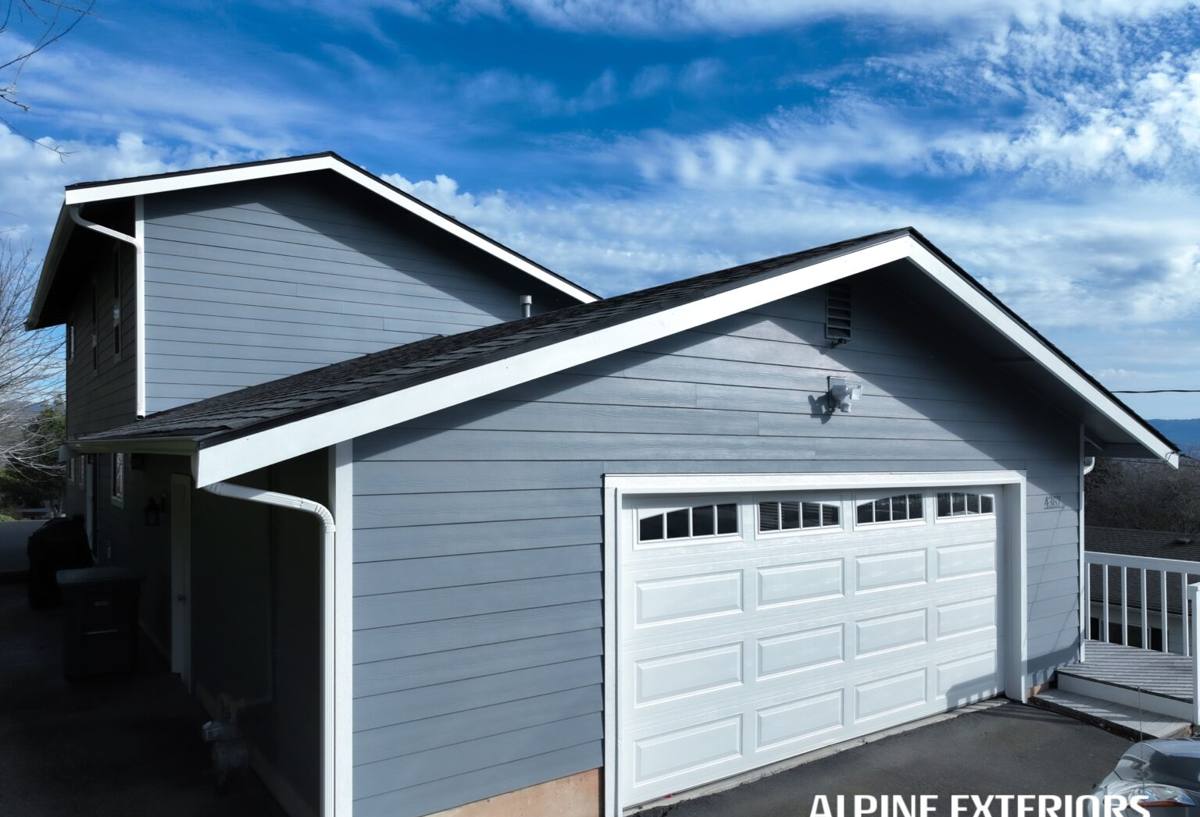
What Terrell Creek's Climate Does to a Roof
A few conditions specific to this stretch of Birch Bay and the surrounding Whatcom County coastline shape how storm damage shows up and how it should be repaired:
- Salt air corrosion: Fasteners, flashing, and metal roof components near the water corrode faster than the same materials would inland. A storm that loosens a nail on a corroded roof does more damage than the same storm would on a newer, well-fastened one.
- Driving rain: Wind-driven rain off the water doesn't just fall straight down — it gets pushed sideways under shingle edges, around vents, and into any gap a storm has opened up. Repairs here need to account for wind direction, not just patch the visible hole.
- Long moss season: Mild, wet winters mean moss and moisture-loving growth get a long runway to establish themselves on north-facing slopes and shaded areas. Moss holds water against the roof surface and can mask storm damage until it's already caused a leak.
- Wind exposure: Homes near open water or clearings can catch stronger gusts than roofs tucked into tree cover further inland, which means more frequent minor lifting of shingle tabs and ridge caps over a roof's life.
None of this means a roof in Terrell Creek is doomed to fail early. It means storm repairs need to be scoped with these specific stressors in mind, not treated as a generic patch job.
What Storm Damage Actually Looks Like
Visible Signs
After a windstorm or heavy rain event, the obvious damage is usually easy to spot: missing or torn-off shingles, dented or bent flashing, a section of ridge cap knocked loose, or debris that's punched through the roof surface. Gutters pulled away from the fascia and downspouts full of granules are also common after a hard blow.
Hidden Signs
The damage that costs homeowners the most is usually the kind they don't see. A shingle tab that lifted in the wind and settled back down can look fine from the ground but no longer seals properly, letting wind-driven rain track underneath. Nail heads backed out slightly by wind uplift create small entry points that widen with every subsequent storm. Flashing around chimneys, skylights, and roof-to-wall transitions can shift just enough to open a gap without looking obviously damaged.
Interior Warning Signs
- A new water stain on a ceiling or upper wall after a storm
- Musty smell in an attic or upper closet that wasn't there before
- Daylight visible through the roof deck when viewed from the attic
- Soft or discolored spots on attic sheathing
- Higher-than-normal humidity or condensation in the attic space
What a Correct Repair Involves
A storm repair isn't just replacing what's obviously missing. Done right, it includes:
- Full roof inspection, not just the damaged section. Wind and rain rarely damage one isolated spot. We check the whole roof, including areas the storm may have stressed without visibly breaking anything.
- Deck inspection under the damaged area. If water got underneath the roofing material, the wood deck itself may be wet, soft, or delaminating. Replacing shingles over a compromised deck just hides the problem.
- Matching materials correctly. Shingle color, profile, and weight vary by manufacturer and even by production run. We match as closely as possible so a repair doesn't stand out as a patch.
- Flashing and fastening appropriate to a salt-air environment. Given the corrosion factor this close to the water, we use fasteners and flashing rated for coastal exposure rather than defaulting to whatever is standard inland.
- Proper sealing at every penetration. Vents, pipe boots, and flashing edges get re-sealed correctly, not just caulked over as a shortcut.
Our Process for Terrell Creek Storm Repairs
1. Inspection and Documentation
We walk the roof (or use a mast camera when the pitch or condition makes that safer) and document every area of damage with photos. This documentation matters whether or not you're filing an insurance claim — it gives you a clear record of what happened and why the repair scope is what it is.
2. Honest Scope and Estimate
We tell you plainly what's storm damage versus what's pre-existing wear. Insurance covers storm damage; it generally doesn't cover a roof that was already near the end of its service life. We won't blur that line to inflate a claim, and we won't downplay real damage to save you money today at the cost of a leak later.
3. Repair or Replace Decision
Most storm damage is repairable. If the damage is widespread, if the roof was already old, or if the deck underneath has rot from a leak that's been going unnoticed, we'll say so and explain why a section replacement or full re-roof makes more sense than patching around a failing roof.
4. The Repair Itself
We match materials, replace damaged decking where needed, install new flashing and fasteners suited to a coastal environment, and reseal all penetrations in the affected area.
5. Follow-Up Check
After the next significant rain, we're available to confirm the repair is holding and that no secondary issues have shown up.
Insurance Claims: What to Know
Storm damage is one of the more straightforward categories for insurance claims, but the process still has pitfalls. A few things that help:
- Document damage as soon as it's safe to do so, ideally before any temporary tarping or cleanup.
- Get an independent contractor inspection rather than relying solely on the insurance adjuster's assessment — adjusters aren't always roofing specialists, and a second set of eyes can catch damage they missed.
- Ask for a written scope of repair that separates storm-caused damage from pre-existing conditions, since this is often where claims get disputed.
- Keep receipts and documentation for any emergency tarping or temporary repairs, as these are typically reimbursable.
We can provide the inspection documentation and written scope your insurer will ask for, but the claim itself is between you and your insurance company — we won't misrepresent damage to help a claim get approved.
Repair Approach: Comparing Common Situations
| Situation | Typical Cause | Repair Approach |
|---|---|---|
| A few missing shingles, deck dry underneath | Wind uplift during a storm | Spot replacement with matched shingles, re-nail surrounding area |
| Lifted shingle tabs, no visible tear | Repeated wind stress over time | Reseal or replace affected tabs; inspect fasteners for backing out |
| Bent or lifted flashing at chimney/vent | Direct wind impact or age-related loosening | Remove and replace flashing, reseal transitions |
| Soft or discolored decking under damaged shingles | Longer-term leak, possibly pre-dating the storm | Deck replacement in affected section before re-roofing that area |
| Widespread shingle loss across multiple slopes | Severe wind event on an aging roof | Full slope or full roof replacement, not spot repair |
Why Local Experience in Terrell Creek Matters
A crew that regularly works Birch Bay and the Terrell Creek area already understands how salt air, wind exposure, and the region's long wet season interact with different roofing materials. That means fewer surprises during the repair, fasteners and flashing chosen with corrosion resistance in mind from the start, and a realistic sense of how long a repair should hold given local conditions rather than generic manufacturer guidelines written for a drier climate. It also means faster response after a storm — when a section of the county gets hit, a local crew isn't driving in from two hours away to get to your roof.
What to Do Right After a Storm
- Check the attic and ceilings for water stains or damp spots as soon as it's safe.
- Photograph any visible exterior damage from the ground — avoid getting on the roof yourself after a storm.
- Clear debris away from downspouts and gutters so water can drain properly while you arrange an inspection.
- Avoid DIY patch jobs with tarps or sealant that could trap moisture or make a proper repair harder later.
- Get an inspection scheduled promptly — a small gap left open through a second storm often turns into a much larger repair.
If a recent storm has left your Terrell Creek roof with missing shingles, loose flashing, or a new leak, we're happy to take a look and give you a straight answer on what's needed. Reach out for a free, no-pressure estimate using the form below.